Why Prices Plummet at Launch: The First Generic Entry Effect Explained
 Aug, 8 2026
Have you ever bought a brand-new gadget or medication only to see the price slash by half a few months later? It feels like a betrayal, but it’s actually a predictable economic pattern known as first generic entry, which is the market event when a competitor introduces an alternative version of a previously proprietary product, causing immediate and significant price reductions. Whether it’s a blockbuster drug losing its patent protection or enterprise software facing open-source rivals, this phenomenon disrupts established pricing power almost instantly. Understanding why this happens can help you time your purchases better or make smarter business decisions.
The core reason prices drop so sharply isn’t just about lower production costs-it’s about the sudden shift in market dynamics. When a single company controls a product (a monopoly), they set the price based on what the market will bear. But the moment a credible alternative enters the scene, that leverage vanishes. Customers no longer have to wait or pay premium rates; they have a choice. This forces the original vendor to either lower their own prices to compete or risk losing massive amounts of market share overnight.
The Mechanics Behind the Price Crash
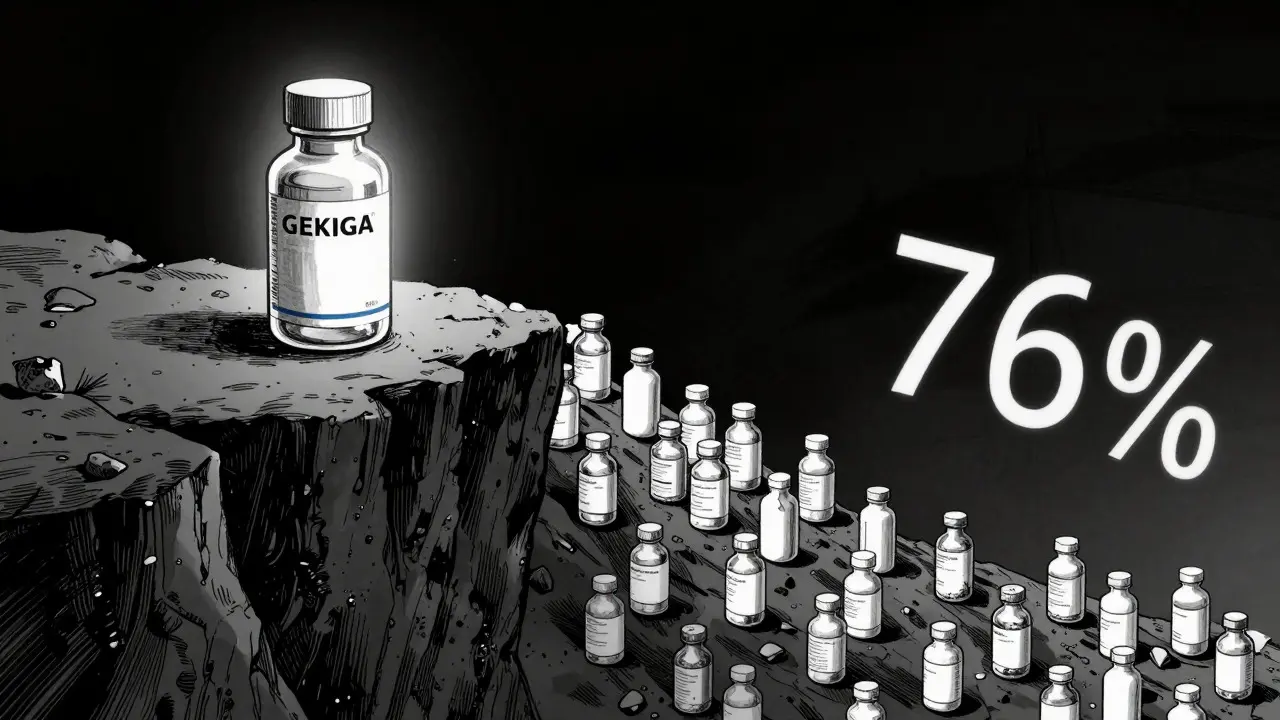
To understand the speed and severity of these drops, we need to look at how value is perceived versus how it is delivered. In the pharmaceutical industry, the data is stark. According to the Congressional Budget Office, the first generic drug entry typically causes prices to drop by an average of 76% within six months for single-source drugs. That’s not a gradual decline; it’s a cliff.
This same logic applies outside of medicine. In technology, when a dominant player faces a new entrant, the "scarcity" premium disappears. For example, when Apple launched the iPod in 2001, it sold for $399 because there was nothing else like it. Within a few years, competitors released cheaper digital music players. The functionality was similar enough that consumers stopped caring about the brand exclusivity. Apple was forced to reduce prices across the board as the market flooded with alternatives. Today, you can buy a basic MP3 player for less than $50. The technology didn’t change much; the competition did.
The key metric here is functionality matching. Research indicates that first generic entrants typically match 80-90% of the incumbent’s functionality at launch. They don’t need to be perfect; they just need to be "good enough" and significantly cheaper. Once that threshold is crossed, price becomes the primary differentiator, triggering a race to the bottom.
Industry Comparisons: From Pills to Software
While the term "generic" often brings pharmacies to mind, the principle of competitive entry driving down costs is universal. Let’s look at how this plays out across different sectors.
| Industry | Typical Price Drop | Timeframe | Market Share Shift |
|---|---|---|---|
| Pharmaceuticals | 50-80% | Within 3-6 months | Generics capture 25-35% |
| Consumer Electronics | 30-50% | Within 12 months | Significant erosion of premium brands |
| Enterprise Software | 30-45% | Within 18 months | Incumbents lose license fee leverage |
In electronics, historical data from the Consumer Technology Association shows models like the Sony Bravia 4K TV launching at $1,799, then falling to $899 within a year once competing models entered the market. The hardware became commoditized. Similarly, in enterprise software, Gartner documents that first competitive SaaS alternatives force incumbents to reduce on-premise license fees by 30-45%. The shift is structural: vendors stop selling scarcity and start selling service.
Why Incumbents Can't Just Ignore the Competition
You might wonder why big companies don’t just keep their prices high and let the cheap alternatives take the low-end market. The problem is customer perception. John Singhal of IHS Markit notes that in competitive industries, customers may not be willing to wait. If a rival offers 90% of the value for half the price, buyers switch immediately. They don’t care about the remaining 10% if it saves them money.
Furthermore, the cost of delay is enormous. Analysis from PTC suggests that in electronics, a late response to competitive pressure can cost up to 50% of a product’s anticipated revenues. In software, Forrester Research predicts even steeper price declines as competitive alternatives proliferate. The power has shifted entirely to the buyer. With 72% of enterprise buyers now prioritizing total cost of ownership over brand loyalty, sticking to old pricing models is financial suicide.
The Hidden Costs of Going Generic
It’s not all smooth sailing for those who switch early. While the upfront savings are dramatic, there are trade-offs. User feedback from platforms like TrustRadius reveals that 28% of early adopters report integration challenges and reduced vendor support quality when switching to first-generation generic alternatives. You’re paying less, but you might be spending more time configuring the system or dealing with slower support responses.
For instance, migrating from Oracle to PostgreSQL-a common move in the tech world-can reduce licensing costs by 78%, as reported by sysadmins on Reddit. However, this often requires specialized skills for data migration, which 62% of organizations initially outsource. So, while the license is free or cheap, the implementation labor adds back some cost. The net savings are still positive, but the transition isn’t frictionless.
How to Navigate the Market Timing
If you’re a consumer or a business leader, knowing when to buy matters. Here are a few heuristics to help you decide:
- Wait for the "Good Enough" Threshold: Don’t buy day one if you expect a competitor to launch soon. Wait until the alternative matches at least 80-90% of the core features.
- Watch for Patent Expirations: In pharma and tech, check public records for patent expirations. These are reliable signals that generic entry is imminent, usually within 6-18 months.
- Evaluate Total Cost of Ownership (TCO): Look beyond the sticker price. Factor in training, migration, and support. A 50% discount means little if it takes three months of downtime to implement.
- Leverage the Incumbent’s Panic: Sometimes, the original vendor will lower prices preemptively to scare off competitors. Keep an eye on promotional spikes right before a known competitor launch date.
The window of opportunity for peak pricing is narrowing. Bain & Company analysis shows the average time between patent expiration and first generic entry has decreased from 18 months in 2010 to just 6 months in 2023. Markets are moving faster, and the price drops are happening sooner.
The Future of Pricing Dynamics
We are seeing a shift toward more dynamic models. ARK Invest forecasts that open-source alternatives will capture 35% of traditional enterprise software revenue by 2027. This is driven by cloud-native architectures that reduce barriers to entry. Vendors are responding with "land-and-expand" strategies, offering initial functionality at steep discounts to hook customers, then charging parity for advanced modules.
For consumers and businesses alike, the era of paying for pure brand prestige is ending. Value is becoming transparent, and competition is ensuring that prices reflect true utility rather than artificial scarcity. By understanding the mechanics of first generic entry, you can stop feeling ripped off and start leveraging market shifts to your advantage.
What exactly is first generic entry?
First generic entry occurs when a competitor launches an alternative version of a previously proprietary product, usually after patents expire or through reverse engineering. This event triggers immediate and significant price reductions as the monopoly power of the original vendor is broken.
How much do prices typically drop after a generic enters the market?
In the pharmaceutical industry, prices can drop by an average of 76% within six months. In consumer electronics, drops of 30-50% within the first year are common. Enterprise software sees incumbent license fees reduce by 30-45% within 18 months of strong competitive entry.
Is the generic product always worse than the original?
Not necessarily. First generic entrants typically match 80-90% of the incumbent's functionality. While they may lack some niche features or premium support, they are often "good enough" for most users, making the lower price highly attractive.
Why do companies lower prices instead of keeping them high?
Customers prioritize total cost of ownership over brand loyalty. If a competitor offers similar value for less, buyers switch quickly. Incumbents must lower prices to retain market share and avoid losing revenue to competitors who capture the cost-conscious segment.
Are there hidden costs to switching to a generic alternative?
Yes. Switching often involves integration challenges, data migration complexity, and potentially reduced vendor support quality. Some organizations report needing 20-30% more configuration time. However, these costs are usually outweighed by the long-term licensing or purchase savings.