Viral Hepatitis Vaccination: Schedules for Hep A and B Protection
 Dec, 1 2025
Getting vaccinated against hepatitis A and B isn’t just about avoiding a bad case of the flu. It’s about protecting your liver - a vital organ that filters toxins, makes proteins, and stores energy. Left unchecked, these viruses can lead to chronic liver disease, cirrhosis, or even liver cancer. The good news? Vaccines for both are safe, effective, and widely available. The challenge? Knowing exactly when and how to get them. Schedules vary by age, health status, and even travel plans. Get it wrong, and you might not be fully protected. Get it right, and you could be immune for life.
Why Hepatitis A and B Need Different Vaccines
Hepatitis A and B are caused by two completely different viruses. Hep A spreads through contaminated food or water - think bad sushi, unclean water in developing countries, or even close contact with someone who’s infected. Hep B travels through blood and bodily fluids - needles, sex, or from mother to baby during birth. That’s why their vaccines are designed differently. Hep A vaccine triggers immunity in the gut, while Hep B vaccine teaches your immune system to recognize and destroy the virus before it reaches the liver.
The Hep A vaccine is made from inactivated virus - meaning it can’t cause infection. Two doses, six months apart, give you long-lasting protection. The Hep B vaccine is recombinant - it uses a piece of the virus’s outer shell, not the live virus. Three doses are standard, but newer versions cut that to two. Both vaccines are among the most effective ever made. In the U.S., childhood Hep B vaccination has cut new infections in kids by over 95% since 1991.
Infant and Child Vaccination Schedules
For babies, timing is everything. The CDC recommends the first dose of Hep B vaccine within 24 hours of birth. This isn’t optional - it’s a lifeline. Babies born to mothers with Hep B have a 90% chance of becoming chronically infected if not vaccinated immediately. Even if the mom is negative, giving the shot at birth cuts the risk of infection from accidental exposure later.
The full Hep B series for infants is three doses: birth, 1-2 months, and 6-18 months. The last dose must be given after 24 weeks of age to ensure full immunity. Miss the birth dose? You can still catch up, but you’re leaving your baby vulnerable during those first critical weeks.
Hep A vaccine kicks in later. Kids get two doses between 12 and 23 months. The first shot can’t be given before 12 months - the immune system isn’t ready earlier. The second dose must be at least six months after the first. No shortcuts. No skipping. If your child misses the window, they can still get it later. But the earlier, the better.
Adult Vaccination: Standard vs. Newer Options
Adults often think they’re safe if they didn’t get sick as kids. That’s a myth. One in three adults in the U.S. has never been vaccinated for Hep B. The CDC now recommends all adults aged 19-59 get the Hep B vaccine - no risk factors required. Why? Because most new infections happen in adults who don’t know they’re at risk.
Traditionally, adults got three doses of Hep B vaccine over six months. But now there are faster options. Heplisav-B is a two-dose vaccine given one month apart. Studies show it works better than the old three-dose version - especially in older adults, diabetics, and people with weak immune systems. It triggers a stronger immune response and gets more people protected faster.
But it’s not for everyone. Heplisav-B carries a black box warning for rare but serious heart issues. If you have a history of heart disease, your doctor may stick with the older three-dose version. Another option, PreHevbrio, is also a three-dose series (0, 1, 6 months) and is approved for adults. It’s newer and may be easier to schedule if you’re already getting other shots.
Hep A for adults is still two doses, six months apart. No shortcuts here. Even if you’re traveling next week, you still need to wait. There’s no fast-track version for Hep A like there is for Hep B.

Combination Vaccines: Twinrix and Travelers
If you’re traveling overseas - especially to Asia, Africa, or Latin America - you might need both Hep A and Hep B. That’s where Twinrix comes in. It’s a single shot that protects against both viruses. The standard schedule is three doses at 0, 1, and 6 months.
But what if your flight is in two weeks? There’s an accelerated option: four doses over three weeks. You get shots on day 0, day 7, day 21, and a booster at 12 months. This isn’t ideal for long-term protection - the booster is mandatory - but it gives you rapid immunity when you need it. Studies show 94% of travelers have protective antibody levels after the third dose, compared to just 50% with the standard schedule at the same point.
Here’s the catch: Twinrix costs about $150-$180 per dose. Standalone Hep B vaccines are $60-$80. Insurance doesn’t always cover the combo. Travel clinics see a lot of people who get the accelerated schedule, then forget the booster. Without it, your protection fades after a year.
Special Cases: Immune System Problems and Chronic Illness
If you have kidney disease, especially if you’re on dialysis, your immune system doesn’t respond as well to vaccines. You need higher doses. For Hep B, that means four shots of Engerix-B - 2 mL each - at 0, 1, 2, and 6 months. Recombivax HB is given as three 40 mcg doses. Even then, only 60-70% of dialysis patients develop full protection. Blood tests after vaccination are required to confirm immunity.
People with HIV, cancer, or organ transplants also need special attention. They may need extra doses or higher-strength vaccines. Some need antibody testing after vaccination to make sure they’re protected. If they’re not, they may need to repeat the series or get a booster.
For Hep A, no special dosing is needed for immunocompromised people - the two-dose schedule still works. But they should still get it. They’re at higher risk of severe illness if they catch the virus.
Why People Miss Their Shots - And How to Fix It
Most kids get their vaccines on time. Adults? Not so much. Only 33% of adults aged 19-49 have completed the Hep B series. Why? A lot of reasons. Doctors forget to offer it. Pharmacies don’t stock it. Insurance denies coverage. People think they’re not at risk.
One big problem: scheduling. Three shots over six months? It’s easy to miss the second or third dose. Heplisav-B’s two-dose schedule fixes that. In needle exchange programs for people who inject drugs, switching to Heplisav-B boosted completion rates from 38% to 89%. One visit. Two shots. Done.
Another fix: standing orders. In clinics where nurses can give the vaccine without waiting for a doctor’s order, adult Hep B vaccination rates jumped 28%. Pharmacies are now authorized to give Hep B in 22 states. That’s cutting down barriers. If you’re 19-59 and haven’t been vaccinated, walk into a pharmacy. Ask for Hep B. They’ll do it.
What Happens If You Skip or Delay a Dose?
You don’t have to start over. If you miss your second Hep B shot by a few months, just get it as soon as you can. The same goes for Hep A. The CDC says: “If the schedule is interrupted, continue where you left off. No doses need to be repeated.”
But delays matter. Babies who get their first Hep B shot at 6 weeks instead of birth have a higher chance of catching the virus in the first year. Adults who wait a year between Hep B shots may never finish the series. The longer you wait, the less likely you are to come back.
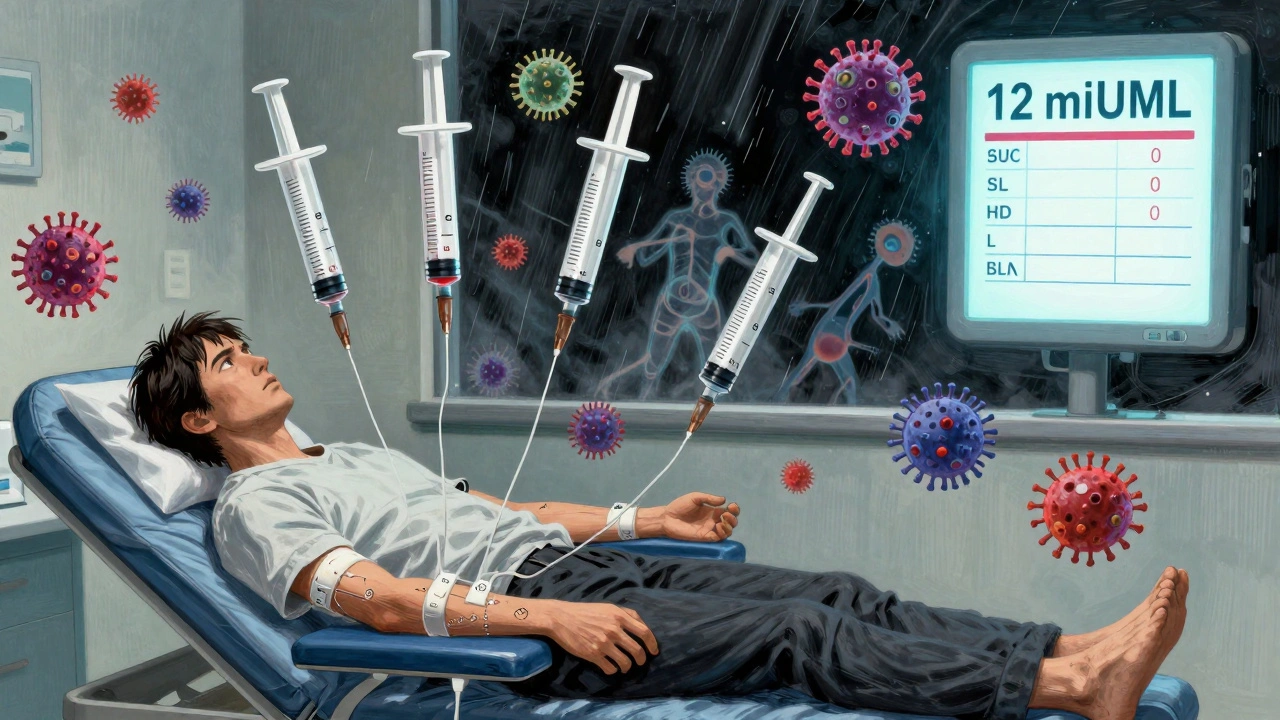
There’s no magic test to tell if you’re still protected after a delay. If you’re unsure, get a blood test for hepatitis B surface antibody (anti-HBs). If it’s above 10 mIU/mL, you’re protected. If it’s below, you need a booster or a new series.
How to Know If You’re Protected
After finishing your Hep B series, a blood test called anti-HBs can confirm immunity. It’s not required for everyone - but it’s smart if you’re a healthcare worker, have liver disease, or are on dialysis. For most healthy adults, if you completed the full schedule, you’re protected for life. No boosters needed.
For Hep A, immunity lasts at least 20 years after two doses. No testing is needed. If you got both doses, you’re good.
One exception: people who got Hep B vaccine before age 11. Their immune response may be weaker. If you’re unsure, get tested. If your antibody level is low, a single booster dose can bring it back up.
What’s Coming Next
Science is moving fast. A new vaccine candidate from Valneva is in late-stage trials. It could protect against both Hep A and B in just two doses - no booster needed. If approved, it could replace Twinrix and simplify adult vaccination.
Researchers at the NIH are also testing a single-dose Hep B vaccine using a new adjuvant that boosts the immune response. If it works, it could change everything. Imagine walking into a clinic, getting one shot, and being protected for life. No more three visits. No more missed doses.
For now, stick with what works. Get your shots on time. Check your records. If you’re unsure, ask your doctor or pharmacist. Your liver will thank you.
Can I get Hep A and B vaccines at the same time?
Yes. You can get both vaccines in the same visit, even in different arms. There’s no interaction between them. Many adults choose to get Hep B and Hep A together, especially if they’re traveling or have risk factors. You can also get the combination vaccine, Twinrix, which covers both in one shot.
Is the Hep B vaccine safe for pregnant women?
Yes. The Hep B vaccine is safe during pregnancy. It’s an inactivated vaccine, so it doesn’t contain live virus. Pregnant women at risk for Hep B - including those with multiple partners, a history of STIs, or who use injection drugs - should be vaccinated. The vaccine also protects the baby. If the mother has Hep B, the baby must get the vaccine and hepatitis B immune globulin (HBIG) within 12 hours of birth.
Do I need a booster for Hep A or B after 10 years?
For most people, no. If you completed the full Hep A or Hep B series, protection lasts for life. Boosters aren’t recommended for healthy adults. Exceptions include people with weakened immune systems, dialysis patients, or those with ongoing exposure risk. In those cases, your doctor may check your antibody levels and recommend a booster if needed.
What if I only got one dose of Hep B?
One dose gives you some protection, but not full immunity. You need the full series to be protected long-term. If you only got one dose, get the second as soon as possible. If it’s been more than six months, you can still finish the series - no need to restart. Even one dose reduces your risk of infection.
Can I get Hep B vaccine if I already had Hep A?
Yes. Having had Hep A doesn’t protect you from Hep B. They’re different viruses. You still need the Hep B vaccine if you haven’t been vaccinated. The same goes the other way - having Hep B doesn’t protect you from Hep A. Both vaccines are recommended regardless of past infection history.
Is it too late to get vaccinated if I’m over 60?
No. It’s never too late. The CDC recommends Hep B vaccination for all adults up to age 59. For those 60 and older, vaccination is recommended if you have risk factors - like diabetes, chronic liver disease, or sexual contact with someone infected. Even if you’re over 60 and healthy, talk to your doctor. The vaccine still works, though immune response may be weaker. A blood test after vaccination can confirm if you’re protected.
ATUL BHARDWAJ
December 3, 2025 AT 16:17Just got my Hep B shot at the pharmacy. No doctor visit. No hassle. Done in 5 minutes.
Rebecca M.
December 4, 2025 AT 16:56Oh great. Another public health PSA that makes me feel guilty for not getting a shot I didn’t know I needed. Thanks, CDC. My liver’s now on standby for a guilt trip.
Lynn Steiner
December 4, 2025 AT 18:14I got Hep B in college and thought I was immune forever. Then I found out I wasn’t. Now I’m scared to hold my niece. What if I’m a silent killer? 😭
Alicia Marks
December 5, 2025 AT 13:13You got this. Even one shot helps. Don’t stress - just schedule the next one. Your liver is rooting for you 💪
Arun kumar
December 6, 2025 AT 02:58bro i got twinrix before going to thailand last year. 4 shots in 3 weeks. felt like a lab rat. but hey, i ate street food and didn’t die. now i just forget the booster. lol. anyone else do this?
Steve World Shopping
December 7, 2025 AT 05:36The accelerated Twinrix protocol lacks immunological durability. Without the 12-month booster, seroconversion rates decay precipitously. You’re not protected - you’re merely temporally colonized by transient epitope exposure.
Jack Dao
December 8, 2025 AT 15:57People who skip boosters are just irresponsible. It’s not rocket science. You get a shot, you get a reminder, you get a damn booster. This isn’t TikTok, it’s your liver.
dave nevogt
December 9, 2025 AT 19:43It’s interesting how we treat vaccines like chores rather than acts of collective care. The fact that we need to incentivize, nag, or shame people into protection speaks to a deeper failure in how we’ve structured public health. The science is solid. The systems aren’t. We’ve outsourced responsibility to individuals while ignoring the structural barriers - cost, access, misinformation, fragmented care. A vaccine isn’t just a needle. It’s a promise. And we’re breaking it.
Ella van Rij
December 11, 2025 AT 19:19Heplisav-B? I thought it was a new energy drink. 🤦♀️ Also, why does everything have a black box warning now? Is my heart gonna explode if I get a shot? I’m just trying to survive my 40s.
Paul Keller
December 12, 2025 AT 20:32Let’s be real - the real issue isn’t the vaccine schedule. It’s the fact that 70% of Americans don’t know their own medical history. I had to dig through 15 years of old records to find out I got one Hep B shot in 2008. No one keeps track. No one cares. The system is broken. We need a national immunization registry. Not another pamphlet.
Shannara Jenkins
December 13, 2025 AT 22:30My mom got her Hep B shot at 62 because her doctor finally asked. She said, ‘I didn’t think I needed it.’ That’s the problem. We wait until someone reminds us. Don’t wait. Ask today.
Elizabeth Grace
December 15, 2025 AT 18:50i got both shots last week and now i feel like a health guru. also i told my whole family to get it. they’re all like ‘why??’ and i’m like ‘because i said so and also my liver is now a temple.’ 🙏
Steve Enck
December 16, 2025 AT 16:28The entire vaccination paradigm is predicated on a false assumption of universal compliance. The data demonstrates that behavioral inertia, cognitive dissonance, and institutional fragmentation render even the most scientifically optimal protocols functionally ineffectual for a significant subset of the population. The solution is not more vaccines - it is mandatory, state-enforced immunization protocols with real-time surveillance and punitive non-compliance mechanisms. Anything less is bioethical negligence.