The Nocebo Effect in Medications: Why Your Mind Can Make You Feel Side Effects That Aren't There
 Nov, 28 2025
Nocebo Effect Risk Calculator
How Susceptible Are You to the Nocebo Effect?
Based on research, certain factors increase your risk of experiencing medication side effects due to expectations. This tool estimates your personal risk level using key factors from medical studies.
Your Nocebo Risk Assessment
Imagine taking a pill that does absolutely nothing-no active ingredients, just sugar or water-and yet, you start feeling dizzy, nauseous, or worse. You’re not imagining it. The symptoms are real. This isn’t magic. It’s the nocebo effect.
What Exactly Is the Nocebo Effect?
The nocebo effect happens when your brain expects something bad to happen, and then your body makes it happen-even if the treatment is harmless. It’s the dark twin of the placebo effect. Placebos make you feel better because you believe they’ll work. Nocebos make you feel worse because you believe they’ll hurt you. It’s not just in your head. Brain scans show real changes. When people expect pain or side effects, areas like the anterior cingulate cortex and insula light up. These are the same regions that activate during actual physical pain. Your body isn’t lying. It’s responding to what your mind thinks is happening. In clinical trials, about 20% of people taking a sugar pill report side effects. Nearly 10% quit the trial because they felt unwell. And here’s the kicker: these people weren’t given any real medicine. Their symptoms came from reading the leaflet, hearing stories, or even the tone of their doctor’s voice.How Does Your Mind Create Real Physical Symptoms?
Your brain doesn’t distinguish between real threats and imagined ones. If you’re told, “This drug can cause severe nausea,” your nervous system starts scanning for nausea. A slight stomach rumble? That’s the drug. A little headache after a long day? Must be the medication. You’re not being dramatic-you’re being human. There are three main ways this plays out:- Heightened awareness: You start noticing every little ache, fatigue, or change in your body. Normal stuff gets labeled as side effects.
- Misattribution: You had a headache before you started the pill, but now you blame it on the medicine.
- Amplification: Your condition naturally flares up sometimes. The nocebo effect makes it feel worse than it actually is.
The Brand Switch That Made People Sick
In 2017, New Zealand switched patients from brand-name venlafaxine to a cheaper generic version. The active ingredient was identical. The dosage was the same. The pills looked different, but that’s it. At first, reports of side effects stayed steady. Then the media ran stories: “Are generic drugs safe?” “Why are people getting sicker?” Within weeks, adverse effect reports to the Centre for Adverse Reactions Monitoring (CARM) spiked. People were reporting nausea, dizziness, anxiety-all the same symptoms listed on the label. But the drug hadn’t changed. Only the information had. This wasn’t a failure of the generic drug. It was a failure of how the switch was communicated. The fear became contagious. And your brain doesn’t need a chemical to make you feel bad-it just needs a warning.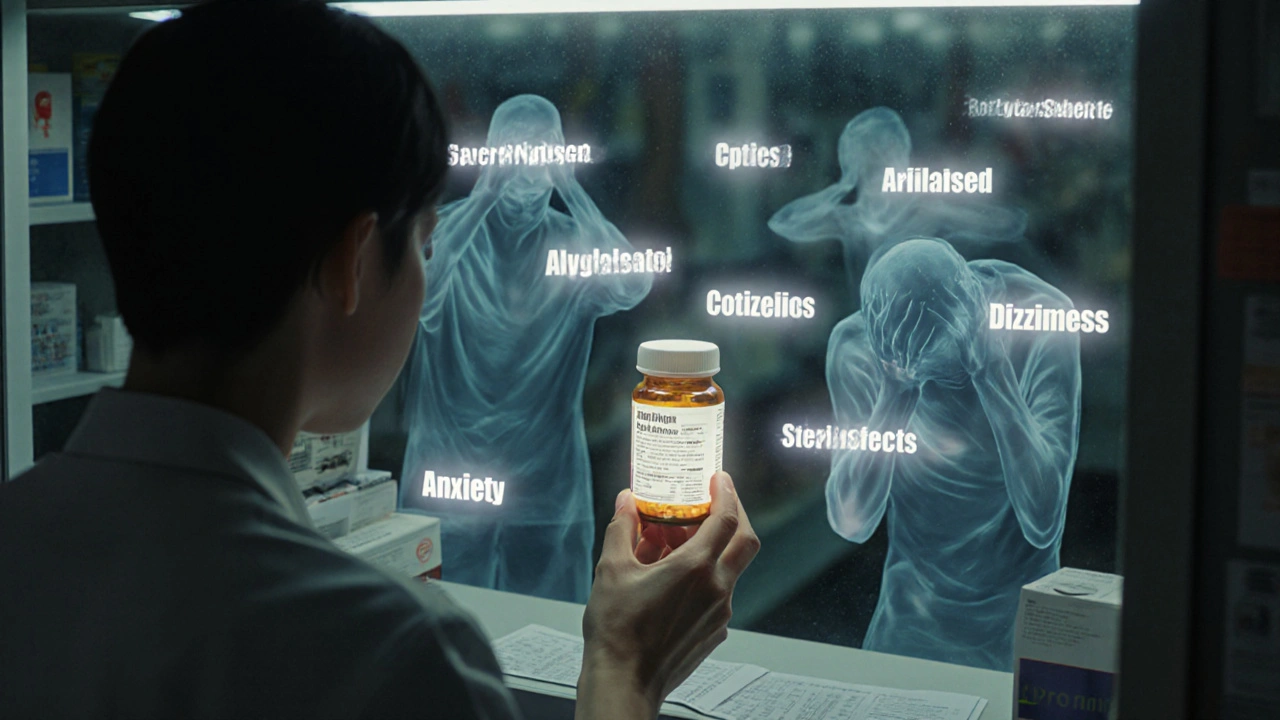
Why Some People Are More Susceptible
Not everyone falls for the nocebo effect. But certain people are more likely to:- Women: In placebo groups, women report side effects 23% more often than men.
- People with anxiety or depression: They’re 1.7 times more likely to experience nocebo effects.
- Pessimistic thinkers: If you expect the worst, your body tends to deliver it.
- Those who’ve had bad experiences before: One bad reaction to a drug can set off a chain reaction the next time you take anything similar.
How Doctors and Pharmacists Can Reduce the Harm
You can’t avoid side effect information. Patients have a right to know. But how you say it matters more than what you say. Instead of: “This drug can cause severe headaches in some people,” try: “Most people don’t get headaches with this medicine. A small number might feel a mild one, but it usually goes away.” The difference isn’t in the facts-it’s in the framing. One study showed that when doctors used positive framing, patients were 20% less likely to report side effects. Healthcare providers in New Zealand and Europe have started training programs-just 4 to 6 hours-to teach how to talk about risks without triggering fear. The result? Fewer people quit their meds. Fewer unnecessary switches. Fewer visits to the ER for symptoms that weren’t real.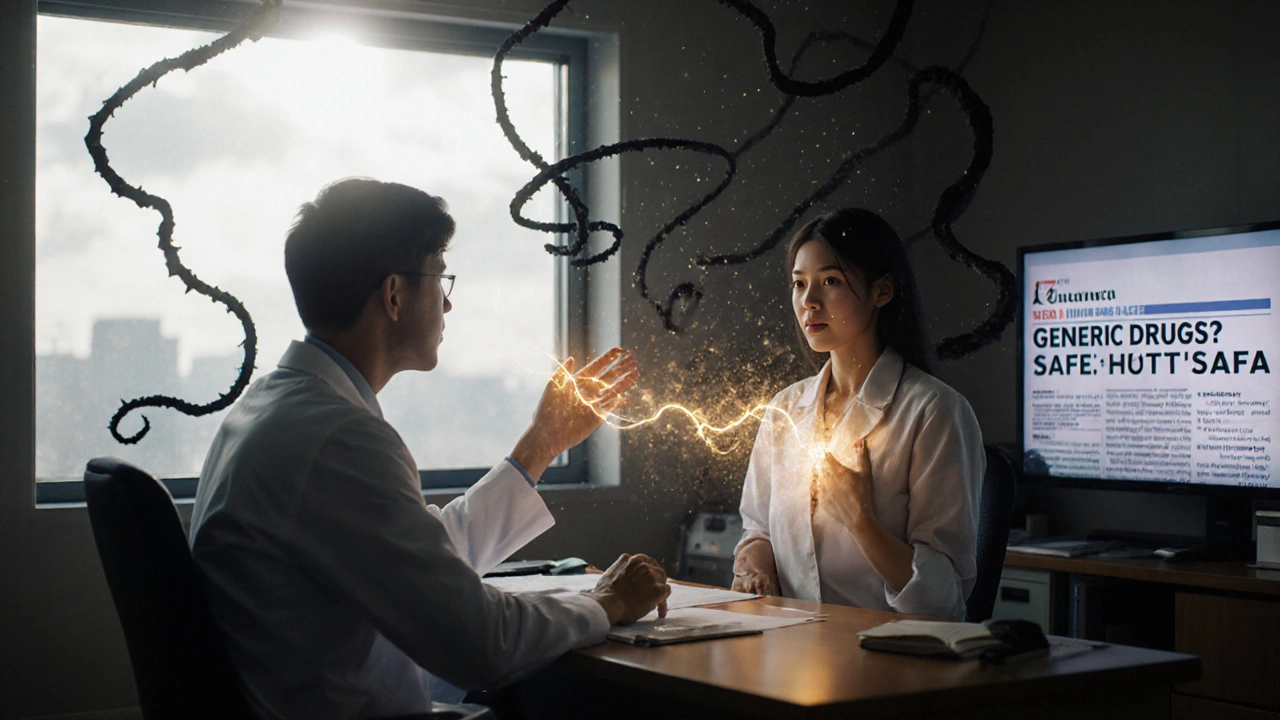
What You Can Do If You Think It’s the Nocebo Effect
If you started a new medication and suddenly feel awful, don’t assume it’s the drug. Ask yourself:- Did I read a lot about side effects before starting?
- Did someone I know have a bad reaction?
- Did the media talk about this drug recently?
- Are these symptoms new, or did I feel them before?
Alexander Levin
November 29, 2025 AT 22:59Yash Hemrajani
December 1, 2025 AT 18:40Josh Evans
December 3, 2025 AT 07:13Andrea Jones
December 4, 2025 AT 10:51Allison Reed
December 6, 2025 AT 02:34Evelyn Salazar Garcia
December 8, 2025 AT 01:40Barbara McClelland
December 8, 2025 AT 10:58Jacob Keil
December 9, 2025 AT 06:56farhiya jama
December 9, 2025 AT 18:05Rosy Wilkens
December 11, 2025 AT 03:42King Property
December 12, 2025 AT 20:02Pawittar Singh
December 14, 2025 AT 16:31Justina Maynard
December 15, 2025 AT 20:23