Phantom Limb Pain: Mirror Therapy and Medications
 Mar, 28 2026
Understanding the Reality of Phantom Pain
If you've lost a limb, you know the fear that comes with waking up feeling pain in a hand or foot that no longer exists. You aren't imagining it. In fact, Phantom Limb Painis a complex neurological condition characterized by sensations of pain in missing limbs affects between 60% to 85% of amputee patients. Research from the National Center for Biotechnology Information confirms that this sensation originates deep within the spinal cord and brain, not in the missing limb itself. By 2050, experts project that nearly 3.6 million Americans will live with limb loss, making effective management strategies critical.
The brain doesn't just stop sending signals when a limb is gone. Instead, it attempts to rewire itself. During episodes of pain, MRI scans show activity lighting up in the regions previously dedicated to that missing body part. This phenomenon, known as cortical remapping, creates a disconnect where the brain interprets normal nerve firing as distress signals. Symptoms typically begin within the first six months after surgery but can persist indefinitely without intervention. Many patients describe the sensation as burning, tingling, sharp stabbing, or intense cramping in the distal portion of the phantom limb.
Why Pain Persists After Amputation
Historically, doctors misunderstood this pain as purely psychological. We now know better. The persistence of the pain correlates with how the nervous system adapts to the loss of sensory input. When you lose a limb, the sensory cortex waiting for input gets confused. Neighboring areas of the brain sometimes take over that territory, leading to referred sensations. For example, touching your face might feel like someone is poking your missing toes.
Risk factors play a huge role in who develops severe cases. Data from the Palliative Care Network of Wisconsin indicates that pre-existing chronic pain before surgery significantly increases the likelihood of long-term issues. Other triggers include stress, weather changes, pressure on the residual limb, fatigue, and infection. About 5% to 10% of cases escalate to severe classifications, meaning they drastically impact daily functioning. Once the condition lasts beyond six months, the chance of it disappearing on its own drops to almost zero, according to clinical reviews from POSM.org in 2023.
Medications That Target Nerve Pain
When the brain misfires, we often need to calm the electrical storm chemically. Pharmaceuticals remain the first line of defense for many patients. Unlike standard painkillers used for injuries, treating Neuropathic Painpain caused by damage or dysfunction within the nervous system requires specific classes of drugs.
- Antidepressants: Tricyclic antidepressants like AmitriptylineElavil are the most common prescription. They work differently than they do for mood; here, they block norepinephrine and serotonin reuptake to dampen pain signals. Standard dosing starts low (10 mg) and may reach 75 mg daily to minimize drowsiness.
- Anticonvulsants: Medications designed for seizures, such as Gabapentin or Pregabalin, stabilize nerve cell membranes. Gabapentin protocols usually start at 300 mg and titrate up to 900-3600 mg depending on tolerance. Community feedback from amputee forums suggests high doses are often needed, though dizziness remains a common complaint.
- Opioids: Drugs like oxycodone or morphine offer potent relief but carry heavy risks. Guidelines suggest limiting these to 30-50 morphine milligram equivalents daily to avoid dependence. These are generally reserved for refractory cases where other methods fail.
- NMDA Antagonists: Ketamine administered intravenously can reset abnormal pain pathways. It's mostly used in hospital settings for resistant pain.
Over-the-counter options like ibuprofen help less with nerve pain but manage residual inflammation. Botulinum toxin injections have shown promise in reducing sweating and intensity, particularly around neuromas (nerve scars).
| Medication Class | Example Drug | Typical Dosage | Primary Side Effects |
|---|---|---|---|
| Tricyclic Antidepressant | Amitriptyline | 10-75 mg /day | Dry mouth, drowsiness |
| Anticonvulsant | Gabapentin | 300-3600 mg/day | Dizziness, weight gain |
| NSAID | Ibuprofen | 400-800 mg/times per day | Stomach upset |
| NMDA Antagonist | Ketamine | 0.1-0.5 mg/kg IV | Psychoactive effects |
The Science Behind Mirror Therapy
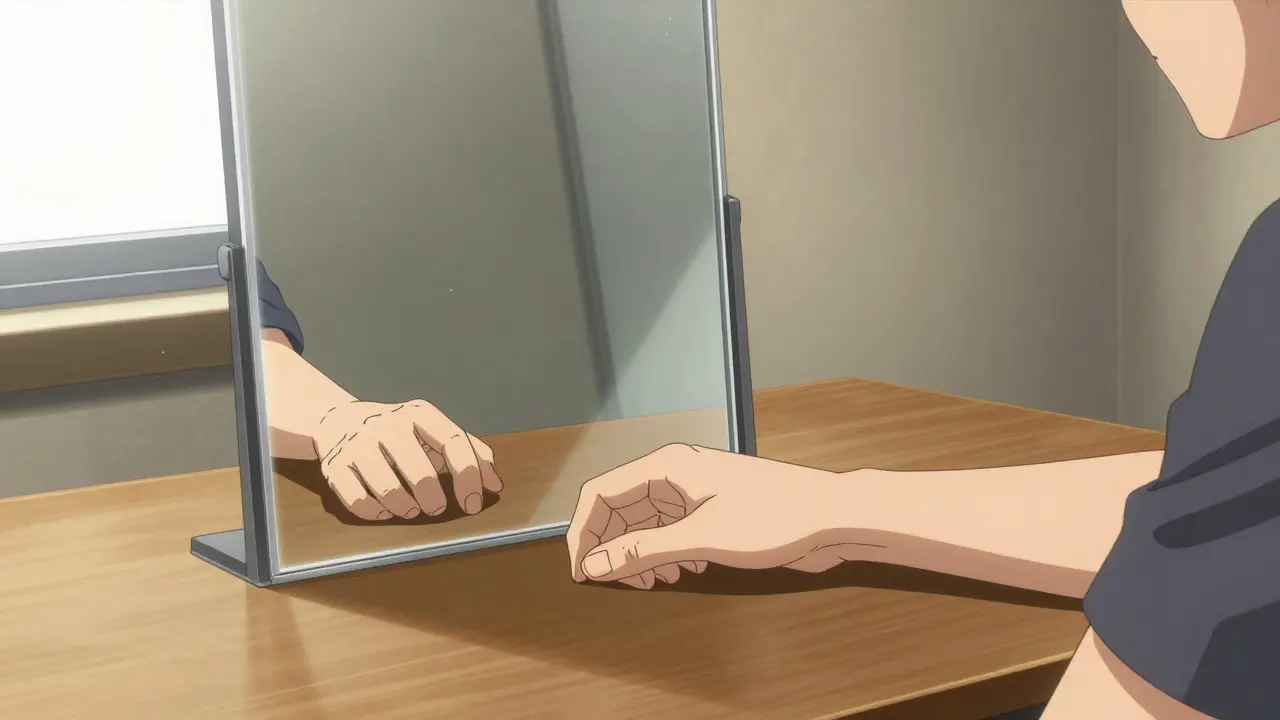
Sometimes medicine isn't enough, or you want to reduce pill load. That's where Mirror Therapya non-pharmacological technique using visual feedback to treat pain steps in. Pioneered by Dr. V.S. Ramachandran, this method tricks the brain into thinking the missing limb is still present and moving normally.
You sit with a specialized mirror box placed perpendicular to your body. The intact limb goes into one side, and the mirror hides the stump on the other. When you move your good arm or leg, the reflection shows a "moving" limb in the space where the missing one should be. This visual confirmation helps correct the mismatch in the brain's motor map. Studies suggest this practice addresses the root cause of cortical reorganization.
Success depends on consistency. Patients should aim for daily sessions lasting 15 to 30 minutes. Physical therapy journals note that adherence can be tricky; about 40% of people stop within eight weeks. To keep it going, set a specific time each morning or evening. Over time, users report reduced frequency and intensity of painful spasms. Newer versions combine this concept with virtual reality headsets, potentially boosting engagement rates for the next generation of patients.
Integrating Neuromodulation Techniques
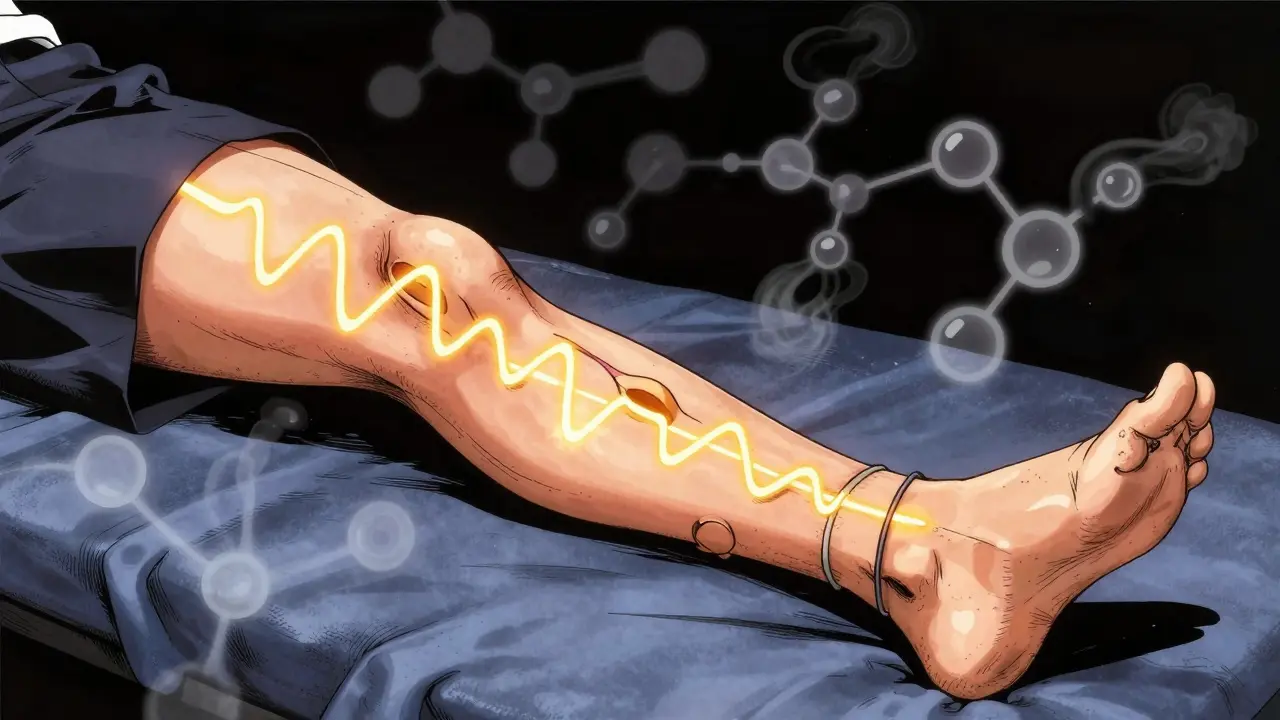
Mirror therapy isn't the only tool outside the pharmacy cabinet. Electrical stimulation plays a major role in modern management. Transcutaneous Electrical Nerve Stimulation (TENS) devices deliver low-voltage currents through skin electrodes near the residual limb. Aiming for frequencies between 2-150 Hz can interrupt pain signals traveling to the brain. Clinical reports cite efficacy rates around 30-50% for moderate cases.
For those where surface stimulation fails, surgeons may consider implanted solutions. Spinal Cord Stimulation (SCS) involves placing electrodes directly onto the spinal column. Recent FDA approvals in early 2024 for closed-loop systems like Saluda Medical's Evoke show response rates nearing 65%. Targeted Muscle Reinnervation combined with osseointegration offers another path, reported to lower pain scores by 70% in select neurosurgery trials during 2024.
These advanced options highlight a shift toward personalized medicine. The American Academy of Pain Medicine predicts that combining medications with neuromodulation will become standard care by 2030. This multidisciplinary approach targets different mechanisms simultaneously-calming the chemical environment while physically disrupting pain transmission.
Developing Your Personalized Action Plan
Managing this condition is rarely a one-step process. It requires patience and a bit of detective work. Start with a baseline assessment of your pain levels and triggers. If you have significant pain before surgery, alert your team immediately, as perioperative analgesia is crucial even if prevention isn't guaranteed.
Create a symptom diary. Note when pain spikes-is it cold weather? Stressful days? Does your prosthesis fit poorly? Sharing this with your doctor helps tailor medication timing. For instance, taking anticonvulsants earlier in the day prevents sleep disruption. Remember, the goal isn't always total elimination of pain but restoring function. Even reducing the severity from a 10 to a 3 allows you to live more comfortably.
If you hit a plateau, don't stay there. Rotate therapies. If gabapentin causes excessive dizziness, ask about switching to pregabalin. Add mirror therapy when meds wear off. The combination of approaches yields the best outcomes for most people living with phantom limb pain.
Does phantom limb pain ever go away on its own?
While some acute symptoms fade within the first six months, persistent pain lasting longer has a slim-to-none chance of disappearing without intervention. Early treatment is key to preventing chronic sensitivity.
Can mirror therapy really stop nerve pain?
Yes, by providing visual feedback to the brain, mirror therapy can reduce the discrepancy causing the pain. However, it requires consistent daily practice over weeks to see results, unlike quick-acting pills.
Are opioids safe for long-term phantom pain management?
Experts advise caution due to addiction risks. Guidelines recommend capping usage at 30-50 MME daily. They are usually reserved for breakthrough pain when safer options fail.
How do I start mirror therapy at home?
You can buy a dedicated mirror box kit online. Sit comfortably, position the mirror to hide the stump, and perform slow movements with your intact limb while watching the reflection. Start with short 15-minute sessions.
What medications are commonly prescribed?
Doctors frequently prescribe tricyclic antidepressants like Amitriptyline or anticonvulsants like Gabapentin and Pregabalin. These target nerve signaling rather than inflammation.
RONALD FOWLER
March 29, 2026 AT 00:44The neurological disconnect described here explains why the pain feels so real. It makes sense that the cortex keeps waiting for signals that never arrive again. Seeing the brain light up on MRI confirms the issue is internal rather than external. Patients often feel isolated when their loved ones cannot understand the phantom sensations. This guide offers a clear path through the confusion surrounding treatments.
Dan Stoof
March 29, 2026 AT 15:41Wow!! This information is incredibly useful!!! The mirror therapy idea sounds fantastic!!! It tricks the brain perfectly!!! I love the breakdown of medications too!! Gabapentin is common!! But vitamins matter too!!! Great work!!
Calvin H
March 30, 2026 AT 08:30Pills are just a bandaid while the system fails you anyway.
Katie Riston
March 31, 2026 AT 11:50The science here is truly remarkable and deeply moving. We see how the mind constructs reality constantly. Losing a part leaves a ghost behind. That ghost hurts physically despite being absent. Doctors used to say it was all in your head. We know now that biology drives the sensation. Medication helps dampen the fire effectively. Yet the visual trick works differently. Mirrors show the brain what it expects. This visual feedback calms the storm inside. Patients report less pain with daily practice. Consistency is the key ingredient for success. Giving up early stops progress before it starts. Technology like VR adds new hope for recovery. We must combine old wisdom with new tools.
dPhanen DhrubRaaj
April 2, 2026 AT 05:24brain thinks hand still there so pain comes back easy fix is hard but worth trying most people give up too soon dont quit though
Ruth Wambui
April 2, 2026 AT 16:14Big Pharma wants to keep us hooked on expensive scripts forever. They ignore the natural mirror method because it costs nothing. The FDA approval delays are suspicious given the lack of profit margins. Real healing requires breaking the cycle of dependency. Trust your body over the billable services pushed by clinics.
Carolyn Kask
April 4, 2026 AT 10:11Your conspiracy theories are amusing but incorrect regarding safety protocols. American medical standards prioritize patient outcomes over profits blindly. We follow strict guidelines for opioid prescriptions specifically. Ignoring established data helps no one in their recovery journey. Stick to proven methods endorsed by legitimate experts.
William Rhodes
April 4, 2026 AT 12:54Hope remains a critical component of healing alongside clinical intervention. The human spirit can endure significant physical trauma with proper support systems. Finding joy in small victories builds resilience against chronic pain. Every reduction in severity counts as a major win for quality of life. Belief in recovery fuels the necessary persistence for therapy.
Cameron Redic
April 6, 2026 AT 02:03You miss the statistical relevance of the cortical remapping evidence completely. The study cited from POSM.org highlights specific failure rates without medication. Your optimism ignores the biological reality of nerve degradation. Most patients need chemical stabilization before attempting behavioral modification. Focus on the data rather than emotional platitudes.
Marwood Construction
April 6, 2026 AT 07:33The clinical presentation of phantom pain requires a multidisciplinary approach. Neuromodulation techniques offer non-invasive alternatives to pharmaceutical management. Electrical stimulation disrupts the aberrant signaling pathways effectively. TENS units provide immediate relief during acute flare-up episodes. Continued research promises targeted delivery for spinal cord stimulation devices.
Biraju Shah
April 7, 2026 AT 19:13This technical explanation lacks practical advice for daily life management. People need actionable steps they can take tonight at home. Buying a mirror box is straightforward but scheduling sessions takes discipline. Family involvement significantly improves adherence rates over the long term. Support groups address the psychological burden of chronic disability conditions.
Vikash Ranjan
April 9, 2026 AT 14:12Why do we focus only on Western medicine approaches exclusively? Traditional therapies offer valid alternatives that are ignored systematically. Acupuncture has shown similar efficacy in nerve regulation studies. Yoga practices help reconnect the mind with the remaining body parts. Holistic health strategies remain undervalued by mainstream institutions.
Brian Yap
April 10, 2026 AT 08:43Down under we see more amputee support networks forming weekly :) The culture around disability is changing fast :D Keep sharing this info guys :) Everyone deserves a chance at comfort again :) Stay strong!