OTC Medication Safety: Hidden Ingredients and Dangerous Interactions
 Aug, 29 2026
OTC Supplement Safety Checker
Not all supplements are created equal. Select the type of product you are considering to see its historical contamination risk and key safety tips.
Weight Loss
Diet pills, fat burnersSexual Enhancement
Performance boostersEnergy & Muscle
Pre-workout, vitaminsPain & Arthritis
Joint relief, anti-inflammatoriesGeneral Wellness
Multivitamins, herbsSleep & Calm
Melatonin, relaxantsRisk Assessment
Select a CategoryWhy is this risky?
Common Hidden Ingredients
Potential Drug Interactions
Safety Checklist
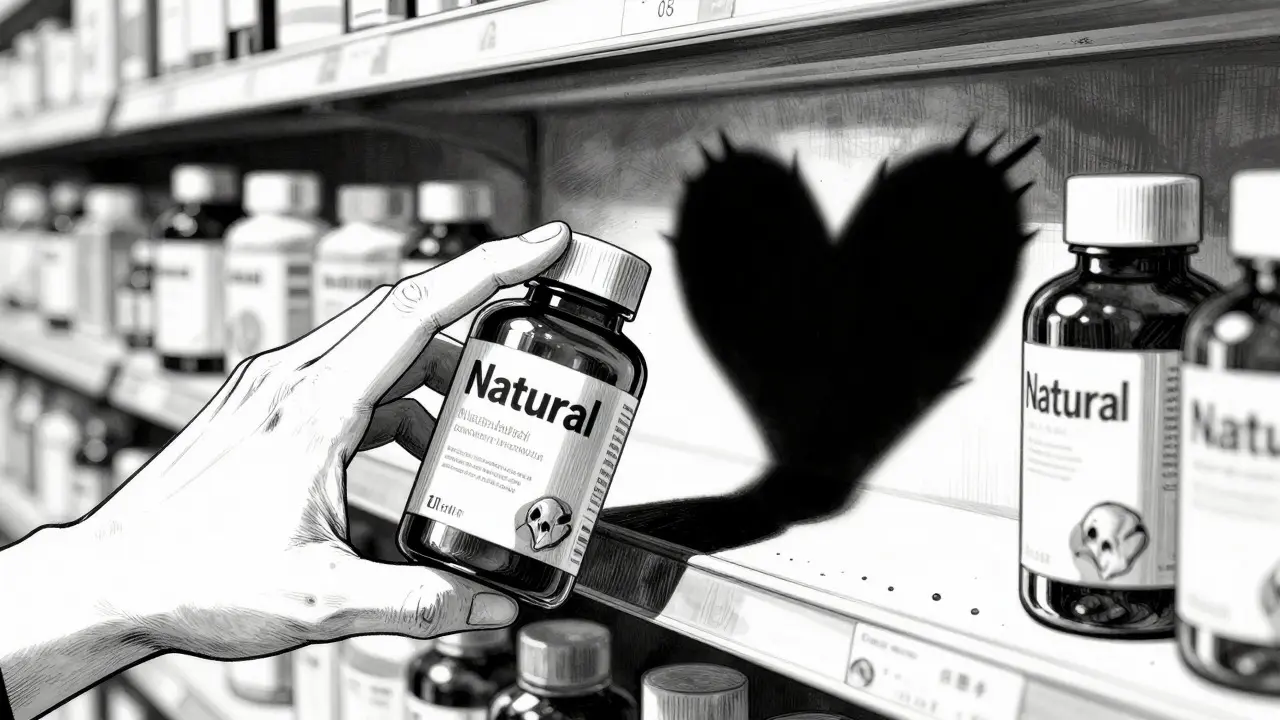
You walk into a pharmacy, grab a box of "all-natural" weight loss pills or a sexual enhancement supplement, and head to the checkout. You assume that because it doesn't require a prescription, it’s safe. But here is the uncomfortable truth: the over-the-counter (OTC) world is a $44.4 billion industry in the US alone, and it operates with far less scrutiny than your doctor’s prescriptions. A 2022 study found that nearly 1,100 supplements contained active pharmaceutical ingredients not listed on the label. That means you might be taking a banned heart medication when you think you’re just taking herbal extract.
The Dirty Secret of "Natural" Supplements
If you buy supplements for energy, weight loss, or sexual performance, you need to be skeptical. Researchers from the University of Connecticut analyzed the FDA’s Health Fraud Product Database and discovered that 54% of contaminated products were marketed for sexual dysfunction, and 35% for weight loss. These aren’t rare anomalies; they are systemic issues driven by the desire for quick results.
Consider Sibutramine. This appetite suppressant was banned by the FDA in 2010 after studies showed it increased the risk of heart attack and stroke by 16%. Yet, between 2009 and 2021, the FDA identified 397 weight loss products still containing this dangerous compound. Similarly, Phenolphthalein, a laxative reclassified as potentially carcinogenic in 1999, has been found in dozens of diet pills. When you take these "natural" remedies, you aren’t just getting herbs; you might be getting unregulated doses of powerful drugs.
The problem isn’t limited to one category. Sexual enhancement supplements frequently contain Sildenafil (the active ingredient in Viagra) or Tadalafil (Cialis). In fact, an analysis in the International Journal of Impotence Research found that 87% of "all-natural" sexual enhancement products contained hidden PDE5 inhibitors. If you are already taking nitrates for chest pain, combining them with these hidden ingredients can cause a fatal drop in blood pressure. You wouldn’t mix those without knowing, but if the label says "herbal," you might not check.
Why Drug Interactions Are More Common Than You Think
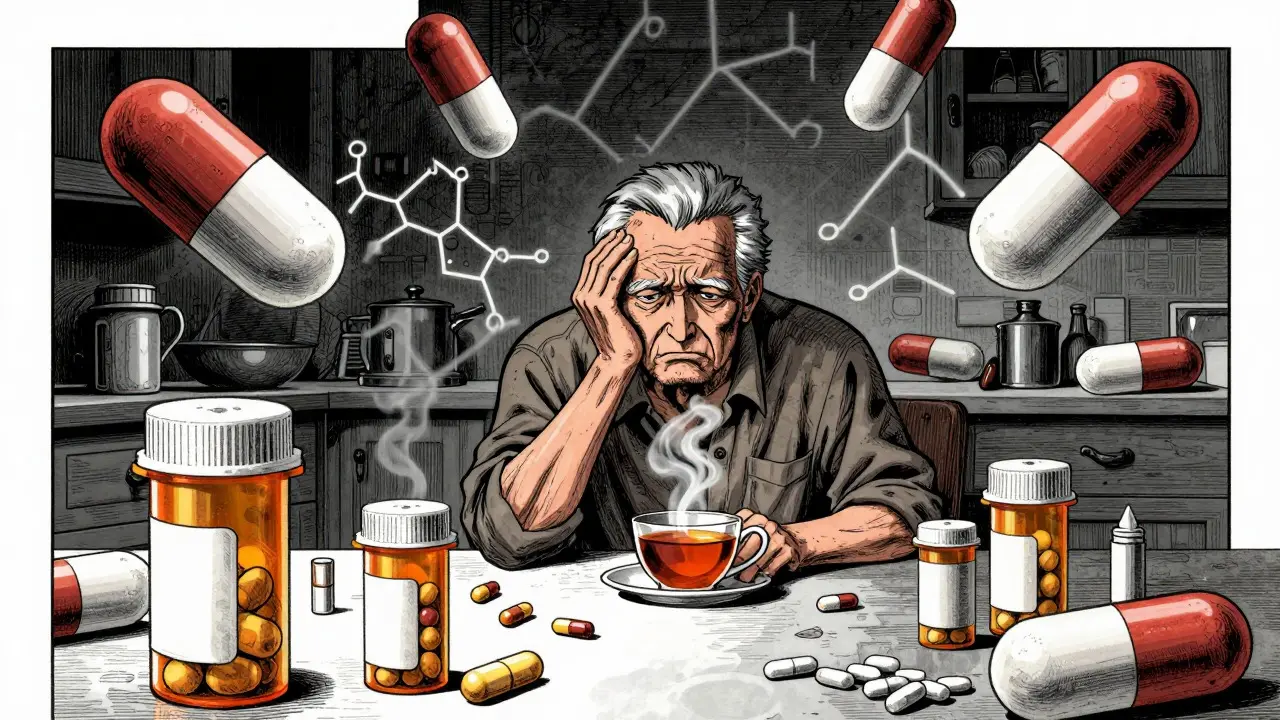
It’s not just about what’s in the bottle; it’s about how it mixes with everything else you take. Dr. Pieter Cohen, a lead researcher on supplement safety, warns that hidden active ingredients pose serious risks of drug interactions. This is particularly dangerous for older adults. On average, people over 65 take 4.9 prescription medications plus various supplements. Multiply that by the potential for unknown contaminants, and the complexity skyrockets.
A study published in JAMA Internal Medicine revealed that 63% of adverse drug events involving supplements happened because patients didn’t tell their doctors what they were taking. Why? Because we don’t consider vitamins and herbal pills "real medicine." We think they’re harmless. But NSAIDs (non-steroidal anti-inflammatory drugs) like ibuprofen and naproxen, commonly bought OTC, are responsible for approximately 100,000 hospitalizations and 16,500 deaths annually in the US due to gastrointestinal bleeding and kidney failure. When you add a supplement with hidden diuretics or stimulants to that mix, you amplify the risk significantly.
Adolescents face their own unique dangers. The "Benadryl challenge" on social media led teens to overdose on diphenhydramine to achieve hallucinations. This resulted in seizures, cardiac arrhythmias, and at least three documented fatalities. It highlights a critical point: OTC status does not equal low toxicity. Diphenhydramine is a potent antihistamine, and misuse can be deadly.
How to Spot the Fakes: A Practical Guide
So, how do you protect yourself? You can’t rely solely on the front of the box. Marketing terms like "clinically proven," "all-natural," or "miracle cure" are red flags. Instead, look for third-party verification seals. Organizations like USP (United States Pharmacopeia), NSF International, and ConsumerLab.com test products independently to ensure they contain what the label claims and are free from harmful contaminants.
Before you buy, try the "5-5-5 rule":
- 5 Minutes Researching: Search the product name online along with "FDA warning" or "contaminated." See if there are recent alerts.
- 5 Minutes Checking: Visit the FDA’s Health Fraud Product Database. If your product is listed, avoid it. Note: absence from the list doesn’t guarantee safety, but presence confirms trouble.
- 5 Minutes Discussing: Talk to your pharmacist. They know more about interactions than almost anyone else. Ask them specifically: "Does this interact with my current meds?"
Be especially wary of products making bold claims. A 2022 study indicated that 73% of weight loss supplements making "miraculous" claims contained undeclared pharmaceuticals. If a pill promises to melt fat while you sleep, it’s likely doing something pharmacological, not botanical.
The Regulatory Gap: Who Is Watching?
You might wonder why the FDA doesn’t catch all of this. The reality is resource constraints. As of 2022, the FDA had only 17 full-time equivalents dedicated to dietary supplement regulation. Compare that to the thousands of products entering the market yearly, and the task seems impossible. Furthermore, the Government Accountability Office reported that only 0.3% of adverse events are reported to the FDA. Most people who feel sick after taking a supplement just stop taking it; they don’t file a report. This underreporting creates a massive blind spot.
There is legislative movement, such as the proposed OTC Medication Safety Act, which aims to mandate adverse event reporting and increase enforcement authority. However, until these laws pass and resources increase, the burden remains largely on you. The industry’s self-regulatory body, the Council for Responsible Nutrition, represents major companies but lacks the power to enforce strict penalties. As Dr. Cohen puts it, it’s a system where "the fox is guarding the henhouse."
Real-World Consequences
The stakes are high. The FDA has documented severe adverse events linked to contaminated arthritis and pain products, including sudden weight gain requiring hospitalization, gastrointestinal bleeding, and acute liver toxicity necessitating transplantation. One user reported their blood pressure spiking to 180/110 after taking a "natural" weight loss pill, later confirmed to contain sibutramine. Another extreme case involved a joint pain product containing six different drug ingredients, none of which were listed on the label.
These aren’t hypothetical scenarios. They are happening now, often to people who believe they are making healthy choices. The convenience of buying medicine off the shelf comes with a responsibility to be informed. Don’t let the lack of a prescription requirement lull you into complacency.
Frequently Asked Questions
Are all dietary supplements unsafe?
No, not all supplements are unsafe. Many are well-manufactured and tested. However, the risk is higher for products marketed for rapid results in weight loss, sexual enhancement, and muscle building. Look for third-party certification seals like USP or NSF to ensure quality and purity.
Why do supplements have hidden ingredients?
Manufacturers sometimes add cheap, effective pharmaceutical compounds to make the product work faster or stronger than natural ingredients alone. This helps sell the product but allows them to bypass the rigorous approval process required for prescription drugs, avoiding the cost and time of proving safety and efficacy to the FDA.
What should I do if I experience side effects from an OTC drug?
Stop taking the product immediately and consult a healthcare provider. Report the adverse event to the FDA via their MedWatch program. Even if you think it’s minor, reporting helps identify patterns and potential safety signals that regulators might otherwise miss.
Can OTC medications interact with prescription drugs?
Yes, absolutely. Common OTC drugs like NSAIDs (ibuprofen, naproxen) can interact with blood thinners, blood pressure medications, and antidepressants. Herbal supplements like St. John’s Wort can reduce the effectiveness of birth control pills and HIV medications. Always inform your doctor about every substance you ingest.
Is the FDA database reliable for checking product safety?
The FDA’s Health Fraud Product Database is a useful tool for identifying known contaminated products. However, it is not exhaustive. Absence from the database does not mean a product is perfectly safe, as new contaminants emerge constantly. Use it as part of a broader strategy that includes consulting pharmacists and looking for third-party certifications.
Next Steps for Safer Self-Care
Treating OTC medications and supplements with the same caution as prescription drugs is the best defense against hidden risks. Start by auditing your current cabinet. Discard any supplements with vague labels or no third-party testing. Create a comprehensive list of everything you take-including vitamins, teas, and pain relievers-and share it with your doctor and pharmacist at every visit. For immediate relief, stick to well-known brands with clear labeling and avoid trendy "miracle" cures until they have established a track record of safety. Your health is too important to gamble on an unlabeled ingredient.