Organ-Specific Side Effects: Liver, Kidney, Heart, and Neurologic Risks
 Feb, 25 2026
Liver Toxicity Risk Calculator
Based on article data: Acetaminophen (Tylenol) is the leading cause of liver failure in the US, with risk increasing significantly above 10 grams total. This tool helps assess your risk based on medication use patterns.
Liver Toxicity - Most medications pass through the liver
Critical Threshold - Acetaminophen: >10g total daily risk
Genetic Risk - SLCO1B1 variant increases statin risk by 4.5x
Early Detection - FDA-approved biomarker panel detects damage 3-5 days earlier
When you take a medication, you expect it to help. But sometimes, the very drug meant to heal can quietly harm your organs. Not all side effects are the same. Some cause rashes or nausea. Others quietly attack your liver, kidneys, heart, or nervous system-often without warning until it’s too late. These are organ-specific side effects: damage targeted to one organ, while others remain untouched. And they’re far more common than most people realize.
Liver Toxicity: The Silent Killer
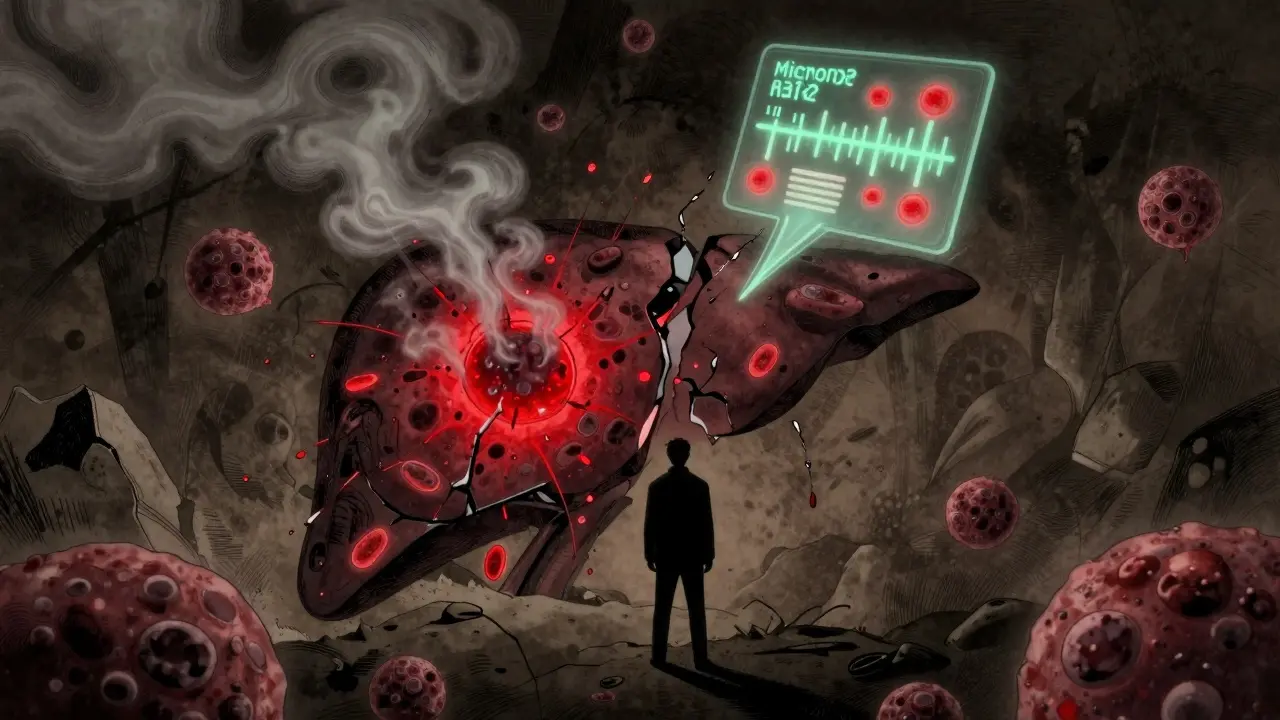
Your liver is your body’s chemical factory. It breaks down drugs, filters toxins, and produces essential proteins. But that makes it vulnerable. About 60% of drug-induced liver injuries happen because the liver turns harmless compounds into toxic ones during metabolism. Acetaminophen (Tylenol) is the classic example. Take too much-even just 10 grams total-and you risk acute liver failure. In the U.S., it’s the leading cause of liver failure, sending over 56,000 people to the ER every year. But it’s not just overdoses. Long-term use of medications like isoniazid (for tuberculosis) or statins (for cholesterol) can quietly damage the liver. Isoniazid causes elevated liver enzymes in 10-20% of users, especially in people with a genetic variant called slow acetylator status. Statins, while generally safe, raise liver enzymes in about 0.5-2% of users. The risk jumps 4.5 times if you carry a specific SLCO1B1 gene variant. Symptoms? Fatigue, nausea, dark urine, yellowing skin. But here’s the problem: many people feel fine until their liver is already failing. That’s why doctors check liver enzymes before and during treatment. If ALT levels spike above 5 times the normal limit-or if bilirubin also rises-medication is stopped immediately. The FDA approved a new biomarker panel in 2023 that detects liver damage 3-5 days earlier than old tests, using microRNA-122 and keratin-18 fragments. This could save lives.Kidney Damage: The Quiet Victim
Your kidneys filter 200 quarts of blood every day. That’s a lot of work. And a lot of chances for drugs to slip through and wreck things. The most common kidney injuries come from three sources: direct tubule damage, inflammation, or crystal buildup. Aminoglycosides like gentamicin are notorious. Up to 25% of patients on standard doses develop kidney damage. The risk climbs to 50% if you’re on it longer than a week. The drug gets absorbed by kidney cells through special receptors, then gums up mitochondria-the cell’s power plants. Vancomycin, another antibiotic, does the same thing when blood levels go above 15-20 mg/L. Each 5 mg/L increase above 15 raises kidney injury risk by 1.3 times. NSAIDs like ibuprofen are sneakier. They don’t always hurt right away. But in older adults, they’re linked to 15% of acute kidney injury cases. Why? They reduce blood flow to the kidneys. If you’re dehydrated or already have kidney issues, that’s a recipe for disaster. Contrast dyes used in CT scans can also cause kidney damage, especially in people with existing kidney disease-risk jumps from 1-6% in healthy people to 12-50% in those with impaired function. The National Kidney Foundation found that 44% of patients didn’t know they had kidney damage until a blood test showed high creatinine. That’s why doctors monitor eGFR (estimated glomerular filtration rate). If it drops below 60, many drugs need dose adjustments. Below 30? Those drugs are often paused entirely.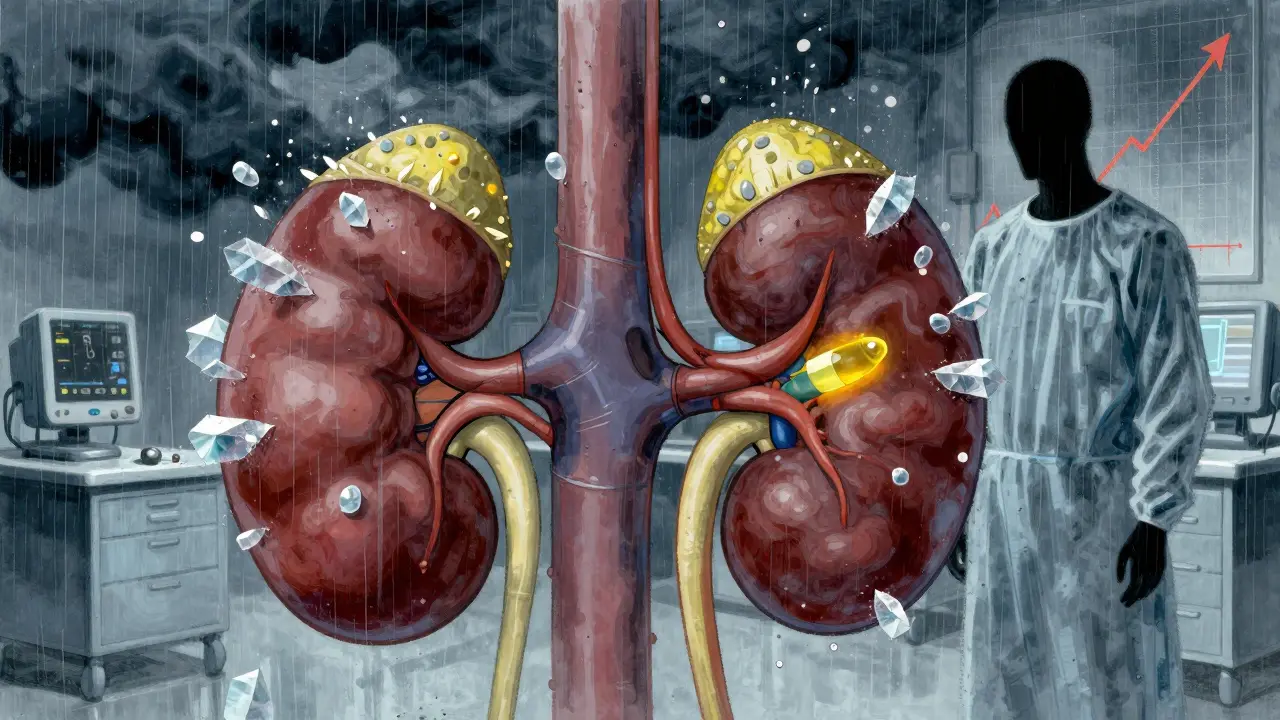
Heart Risks: When Medicine Stops the Beat
Heart damage from drugs can be sudden or slow. The most feared is anthracycline chemotherapy, like doxorubicin. After a cumulative dose of 450-500 mg/m², the risk of congestive heart failure hits 26%. The mechanism? The drug binds to iron in heart cells, creating free radicals that destroy muscle fibers. That damage is permanent. That’s why patients get baseline echocardiograms and follow-ups every 2-3 months. If the heart’s pumping ability (LVEF) drops below 45% or falls 15 points from baseline, treatment stops. Immune checkpoint inhibitors-used for cancer-are another surprise culprit. They trigger myocarditis in less than 1% of patients, but nearly half of those cases are fatal. Symptoms? Chest pain, shortness of breath, fatigue. Most cases show up within the first 90 days. The FDA’s FAERS database recorded over 1,800 cases between 2011 and 2022. Then there are antibiotics. Fluoroquinolones like ciprofloxacin increase the risk of aortic aneurysm by 31% with just 60 days of use. The exact reason isn’t clear, but it may involve collagen breakdown in blood vessel walls. And QT prolongation-a rhythm problem-can be deadly. Drugs like haloperidol, ziprasidone, and certain antibiotics lengthen the QT interval on an ECG. Ziprasidone adds an average of 16.4 milliseconds. That might sound small, but it raises the risk of torsades de pointes, a dangerous arrhythmia. Doctors check ECGs before and after starting these drugs, especially in people with existing heart conditions.Neurologic Side Effects: Mind and Nerves Under Attack
Your nervous system doesn’t have a detox system like the liver. That makes it vulnerable. Chemotherapy drugs like cisplatin and oxaliplatin cause nerve damage in 30-70% of patients. Cisplatin slowly kills sensory nerves, leading to numbness and tingling. Oxaliplatin? It triggers sudden, painful nerve reactions to cold-like holding an ice cube. Up to 95% of patients feel it during infusion. Then there are everyday drugs. Proton pump inhibitors (PPIs) like omeprazole are used for heartburn. But long-term use-over 4.4 years-increases dementia risk by 21%. Why? Possibly because they interfere with vitamin B12 absorption or alter brain chemistry. Phenytoin, an old epilepsy drug, causes cerebellar atrophy in 15-40% of long-term users. The brain’s coordination center shrinks. Dose matters: levels above 20 mcg/mL make it worse. Immune checkpoint inhibitors also attack nerves. They can cause myasthenia gravis, Guillain-Barré syndrome, or encephalitis. These are rare-under 1% of users-but deadly. Symptoms like muscle weakness, tingling, or confusion should trigger immediate testing.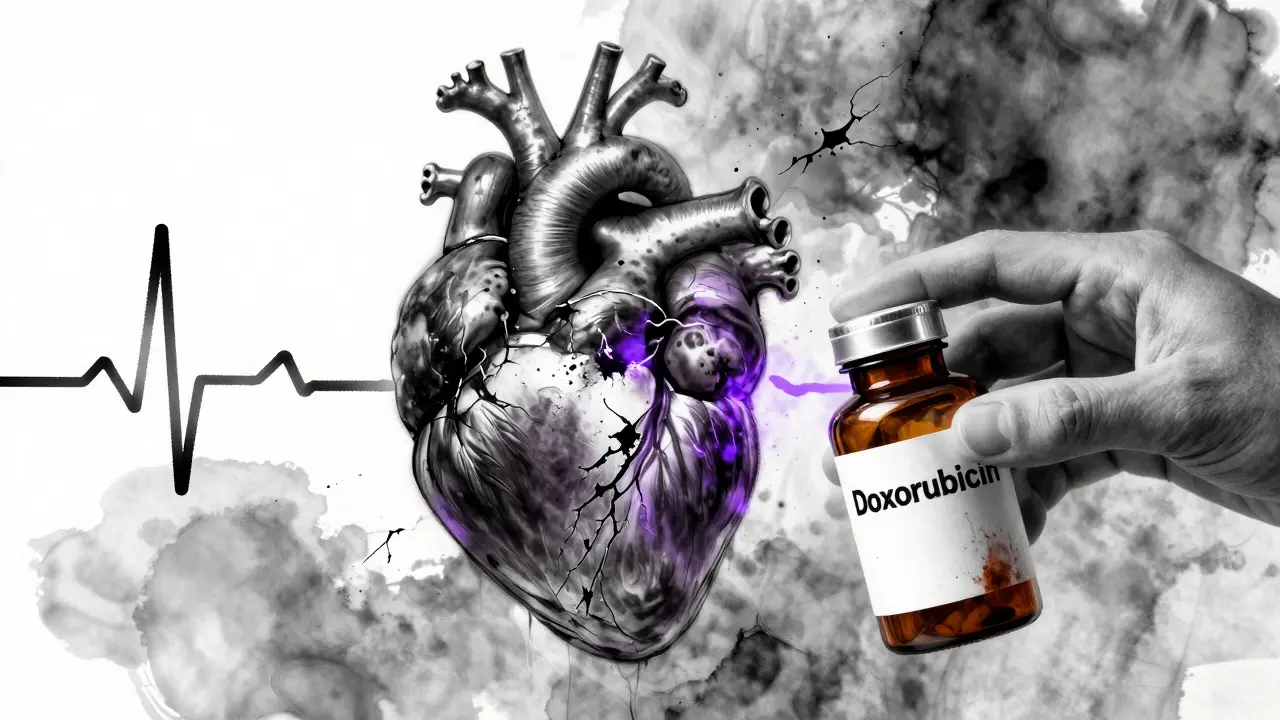
How to Protect Yourself
The good news? Most organ damage is preventable. Here’s how:- Know your meds. Ask your doctor: “Could this hurt my liver, kidneys, or heart?”
- Get baseline tests. Before starting a new drug, get liver enzymes, kidney function (creatinine, eGFR), and an ECG if needed.
- Track symptoms. Fatigue, dark urine, swelling, chest pain, numbness-don’t ignore them.
- Don’t self-medicate. NSAIDs and acetaminophen seem harmless, but long-term use is risky.
- Genetics matter. If you have family history of drug reactions, ask about genetic testing (like SLCO1B1 for statins).
Spenser Bickett
February 26, 2026 AT 07:00Christopher Wiedenhaupt
February 28, 2026 AT 02:29John Smith
March 1, 2026 AT 08:07Shalini Gautam
March 2, 2026 AT 00:48Natanya Green
March 3, 2026 AT 05:07Steven Pam
March 4, 2026 AT 11:00Gwen Vincent
March 5, 2026 AT 23:22Nandini Wagh
March 7, 2026 AT 17:41Holley T
March 8, 2026 AT 16:05Ashley Johnson
March 9, 2026 AT 06:29