Meal Planning for Weight Loss: Simple Templates and Shopping Lists That Work
 Jan, 18 2026
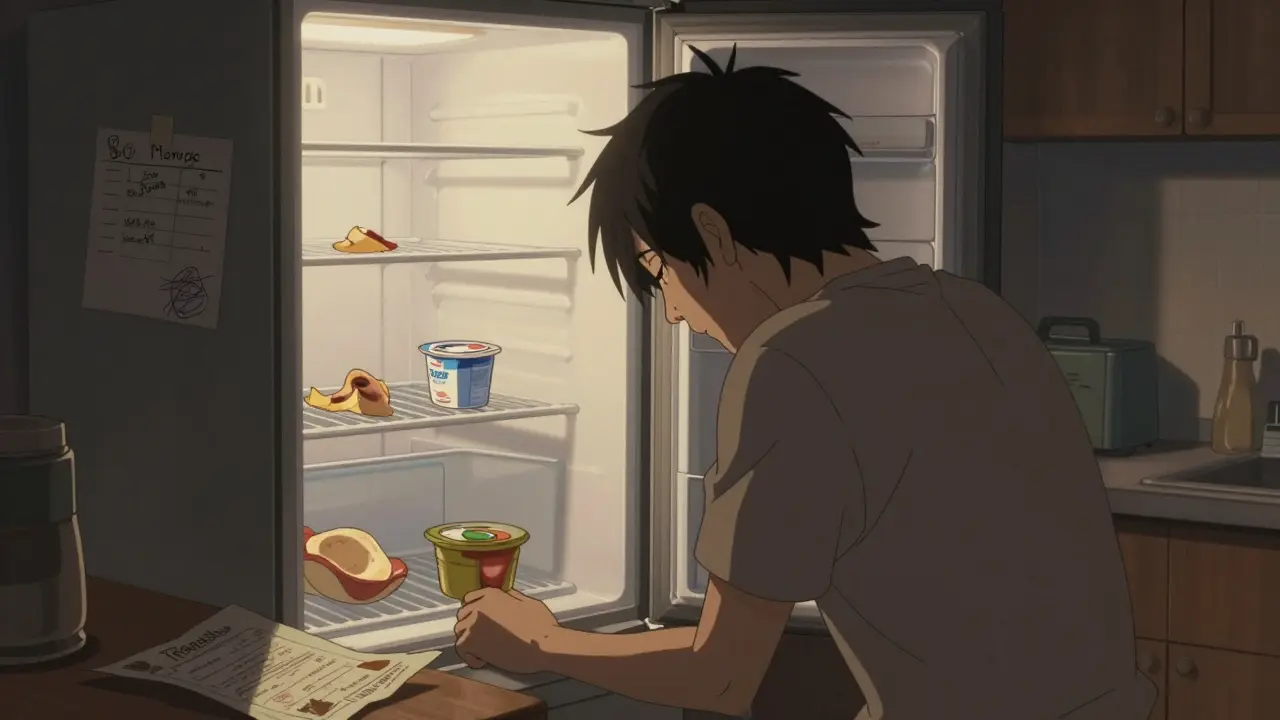
Most people trying to lose weight aren’t failing because they don’t know what to eat. They’re failing because they don’t plan ahead. You walk home tired after work, open the fridge, and stare at nothing but half-eaten leftovers and a carton of yogurt. You end up ordering pizza. Again. This isn’t laziness. It’s a system that doesn’t work.
Meal planning for weight loss isn’t about eating bland chicken and broccoli every day. It’s about setting up a simple, repeatable system so you don’t have to think when you’re hungry, tired, or stressed. And the two most powerful tools? A clear meal schedule and a grocery list that actually matches what’s on your plan.
Why Planning Works Better Than Willpower
Studies show people who plan their meals eat 150-200 fewer calories a day than those who don’t. That’s not because they’re starving themselves. It’s because they’re not guessing. When you know exactly what you’re eating tomorrow, you’re less likely to grab something random at the gas station or snack mindlessly while cooking dinner.
The CDC found that 41.9% of adults trying to lose weight say lack of planning is their biggest hurdle. That’s not a coincidence. Planning cuts down decision fatigue. It reduces impulse buys. It helps you avoid buying food you don’t need-saving money and reducing waste.
One user on Reddit lost 18 pounds in three months using a printable template. Her grocery bill dropped $47 a week. She didn’t change her diet drastically. She just stopped winging it.
What a Good Meal Planning Template Actually Includes
A good template isn’t just a calendar with boxes to fill. It’s a working system. Here’s what works:
- Calorie targets per meal: Breakfast: 400-500 calories, Lunch: 500-600, Dinner: 500-600, Snacks: 150-200. This adds up to about 1,500-1,800 calories a day-enough to lose weight without leaving you drained.
- Recipe list: 5-7 simple meals you can rotate. No need for 50 recipes. You’ll use 3-4 over and over.
- Grocery list section: Organized by store sections (produce, dairy, pantry, meat). This saves you 12-15 minutes per trip.
- Pantry tracker: A quick checklist of what you already have. Saves money and stops you from buying duplicate items.
- Notes column: For tweaks. “Swap chicken for tofu,” “Add hot sauce,” “Leftovers for lunch.” Flexibility is key.
Templates from Nutrition.gov or MyPlate.gov are free and evidence-based, but they’re stiff. Commercial ones like those from 101Planners or Plant Based With Amy give you more structure and calorie counts built in. Canva has pretty templates, but you’ll need to calculate calories yourself-unless you’re already good at that, skip it.
How to Build Your Own Plan (No Fancy Apps Needed)
You don’t need an app. You don’t need to spend money. Here’s how to start today:
- Check your pantry. What do you already have? Canned beans? Brown rice? Eggs? Frozen veggies? Start with those. You’ll save $25-$30 a week just by using what’s there.
- Pick 3-4 breakfasts. Examples: Oatmeal with berries and peanut butter, scrambled eggs with spinach and toast, Greek yogurt with chia seeds and apple. Rotate them.
- Pick 3-4 lunches. Leftovers work great. Or: Lentil soup with whole grain bread, quinoa salad with chickpeas and veggies, turkey wrap with hummus and spinach.
- Pick 3-4 dinners. Baked salmon with roasted sweet potatoes and broccoli. Stir-fry with tofu and brown rice. Black bean tacos with avocado and salsa. Keep it simple.
- Pick 2 snacks. Hard-boiled eggs, cottage cheese, apple with almond butter, a handful of nuts. Don’t skip snacks. Hunger leads to overeating later.
Write this down on a piece of paper or in a Notes app. That’s your plan. Now, turn it into a shopping list.

How to Make a Grocery List That Actually Saves Time and Money
A grocery list isn’t just a reminder. It’s a tool to stop impulse buys. Here’s how to make one that works:
- Group by store sections: Produce, dairy, meat, pantry, frozen. This cuts your shopping time by up to 20%.
- Write exact quantities: “2 sweet potatoes,” “1 carton of eggs (12),” “1 can black beans.” No vague “some beans.”
- Check your pantry first: Don’t buy what you already have. That’s where most waste happens.
- Write the day you’ll use it: “Use lentils for lunch on Tuesday.” Helps you use food before it spoils.
One study found people who used categorized grocery lists reduced food waste by 37%. That’s money back in your pocket and less guilt.
Pro tip: Keep a small notepad by your fridge. When you run out of something, write it down. That’s your live grocery list.
Digital vs. Paper: Which One Works Better?
Some people swear by apps. Others hate screens. Here’s the real difference:
| Feature | Printable Templates | Digital Templates (Notion, Canva) |
|---|---|---|
| Setup time | 1.5-2 hours | 3-5 hours |
| Flexibility | High-easy to scribble changes | Medium-requires editing |
| Grocery list sync | No | Yes (if app supports it) |
| Calorie tracking | Manual | Automatic in some apps |
| Retention after 6 weeks | 83% | 67% |
Printable templates win for simplicity and stickiness. If you’re just starting out, go paper. You can always move to digital later. Notion’s template is powerful but only if you’re comfortable with databases. Canva is pretty but doesn’t track nutrition. Stick with what feels easy.

What to Avoid
Not all meal plans are created equal. Here’s what trips people up:
- Too many recipes: You won’t use them. Stick to 5-7 meals max.
- Zero snacks: Skipping snacks leads to overeating at dinner. Always include them.
- No flexibility: If your plan says “no carbs” and you want pasta on Friday? That’s not a plan. That’s a prison. Allow one flexible meal a week.
- Over-planning: Planning for seven days straight? You’ll burn out. Start with three days. Build from there.
- Ignoring dietary needs: If you’re gluten-free or vegan, make sure your template supports it. 41% of people quit because their plan didn’t fit their needs.
Dr. Yoni Freedhoff says rigid plans cause 68% of people to quit within eight weeks. That’s not failure. That’s bad design.
Real Success: How One Person Lost 72 Pounds
One Reddit user, u/MealPrepMaster89, lost 72 pounds over 11 months using a simple printable template from OnPlanners. He didn’t count macros. He didn’t do keto. He didn’t buy special foods.
He did this:
- Used the same 5 breakfasts, 4 lunches, 4 dinners
- Wrote his grocery list every Sunday
- Prepped all meals on Sunday afternoon
- Allowed one “free meal” on Saturday
He didn’t feel deprived. He didn’t starve. He just stopped guessing. And that’s the whole point.
Start Small. Stick With It.
You don’t need to overhaul your life on Monday. Start with one thing: make a grocery list for the next three days. Use what’s in your pantry. Pick two breakfasts and two dinners you already like. Write them down. Go shopping. Cook once. Eat twice.
That’s it. That’s the system.
After a week, you’ll notice something: you’re spending less money. You’re eating better. You’re not rushing to the fridge at 9 p.m. because you didn’t plan.
Weight loss isn’t about perfection. It’s about consistency. And consistency comes from systems-not willpower.
Grab a notebook. Write your plan. Make your list. Do it this week. You’ve got this.
Do I need to count calories to lose weight with meal planning?
No, you don’t need to count every calorie. But you do need to follow a structure that naturally keeps you in a calorie deficit. Templates with built-in portion sizes and meal splits (like 400-calorie breakfasts and 500-calorie dinners) do this for you. If you’re using a free template without calorie info, aim for plates that are half vegetables, a quarter protein, and a quarter carbs. That’s enough for most people to lose weight without tracking.
Can I use meal planning if I’m vegetarian or gluten-free?
Absolutely. Many templates now include dietary filters. Look for ones labeled “plant-based,” “gluten-free,” or “allergy-friendly.” If you’re using a generic template, just swap ingredients: use lentils instead of chicken, quinoa instead of wheat pasta. The structure stays the same-only the food changes. The key is making sure your plan actually fits your needs, not forcing yourself into a mold that doesn’t work.
How often should I update my meal plan?
Every 1-2 weeks. Your taste changes. Your schedule changes. Your pantry changes. If you’re using the same exact meals for months, you’ll get bored and quit. Swap out one meal a week. Try a new veggie. Switch the protein. Keep it fresh without starting over. Most people who stick with meal planning tweak their plan regularly-they don’t stick to rigid rules.
What if I eat out or have a social event?
Plan for it. Don’t skip meals to “save calories” for dinner-that backfires. Instead, pick one meal a week as your “flex meal.” When you go out, choose something balanced: grilled protein, veggies, and skip the bread basket. You don’t need to be perfect. Just avoid bingeing. Most people who succeed with meal planning don’t avoid eating out-they plan how they’ll handle it.
Is it worth buying a paid meal plan template?
Not at first. Free templates from Nutrition.gov or MyPlate.gov are just as effective for beginners. Paid templates (like those from Plant Based With Amy or 101Planners) are helpful if you want pre-calculated calories, vegan options, or better design. But they’re not magic. The real value is in using the system-not the price tag. Spend $0 to start. If you stick with it for a month and want more structure, then consider upgrading.
How long does it take to get good at meal planning?
Most people find their rhythm in 2-3 weeks. The first week feels awkward-you’re learning what you like, what you have, what works. By week two, you’re making lists without thinking. By week three, you’re adjusting meals on the fly. It’s not about being perfect. It’s about building a habit. After that, it becomes second nature. You’ll wonder how you ever lived without it.
Jacob Cathro
January 19, 2026 AT 01:09Paul Barnes
January 20, 2026 AT 14:09Art Gar
January 21, 2026 AT 17:16Edith Brederode
January 23, 2026 AT 12:03Arlene Mathison
January 25, 2026 AT 01:31Emily Leigh
January 25, 2026 AT 10:50Carolyn Rose Meszaros
January 27, 2026 AT 04:08Courtney Carra
January 27, 2026 AT 07:41thomas wall
January 27, 2026 AT 12:17Manoj Kumar Billigunta
January 27, 2026 AT 23:29Andy Thompson
January 29, 2026 AT 05:15sagar sanadi
January 29, 2026 AT 06:05kumar kc
January 29, 2026 AT 13:17Thomas Varner
January 30, 2026 AT 21:46Greg Robertson
January 31, 2026 AT 20:40