Insurance Appeals: Fighting Denials When a Generic Medication Doesn't Work
 Jan, 19 2026
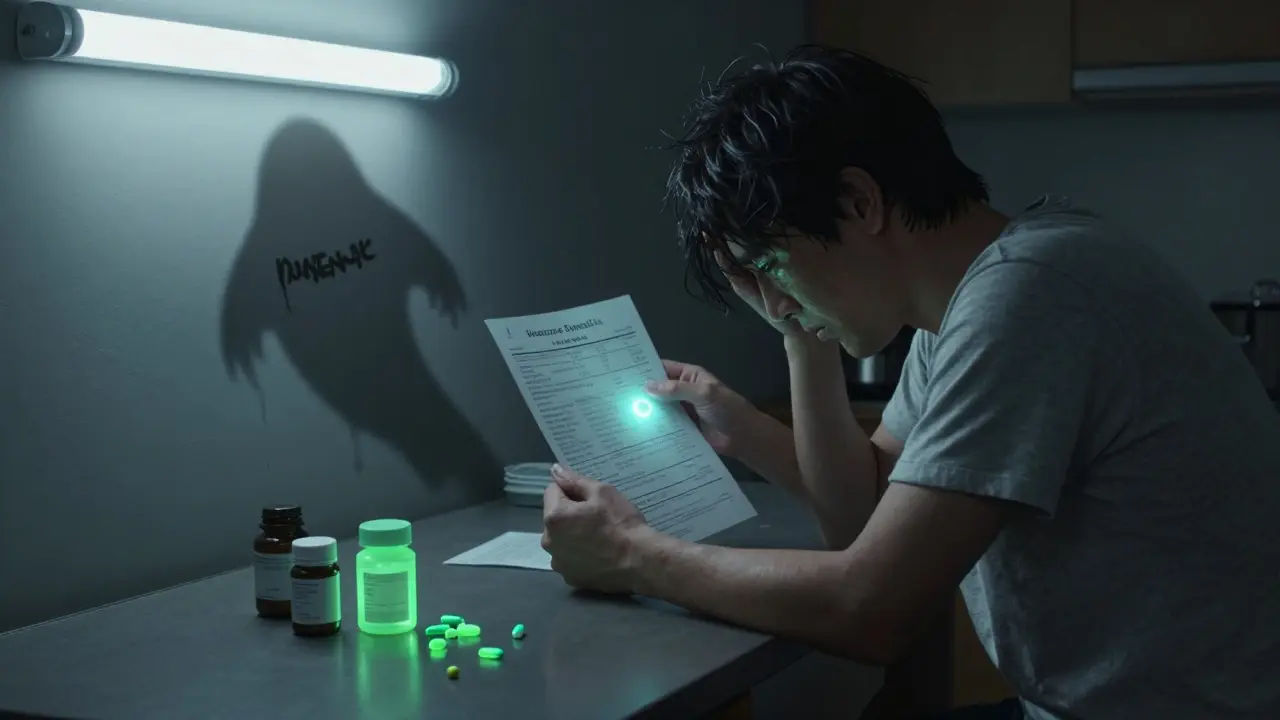
When your insurance denies your brand-name medication because a generic version is available, but that generic makes you feel worse-or doesn’t work at all-you’re not alone. Thousands of people face this every year. The system assumes all generics are interchangeable. But for some, they’re not. And when that happens, you have rights-and a clear path to fight back.
Why a Generic Might Not Work for You
Generics are required by the FDA to deliver 80% to 125% of the active ingredient compared to the brand-name drug. That sounds precise. But that 45% window? It’s wide enough to cause real problems. For drugs with a narrow therapeutic index-like levothyroxine, warfarin, or certain seizure meds-even small differences in absorption can lead to serious consequences. A TSH level that jumps from 2.1 to 14.7 mIU/L after switching to a generic levothyroxine isn’t a fluke. It’s a clinical emergency. And insurance companies often ignore it.It’s not just the active ingredient. Inactive ingredients-fillers, dyes, binders-can trigger reactions in people with sensitivities. One patient on Reddit described breaking out in hives after switching to a generic gabapentin. Another had breakthrough seizures after a generic levetiracetam. These aren’t rare. The American Medical Association found 15-20% of patients experience therapeutic failure with certain generics, especially in endocrine and neurological conditions.
How the Denial Works (And Why It’s So Frustrating)
Your insurer’s denial letter probably says something like: “Generic alternative available. Coverage denied.” That’s it. No explanation. No room for your experience. They’re not asking if it worked. They’re just checking a box: “Is there a cheaper version? Yes? Then deny.”But here’s the catch: the Affordable Care Act and state laws give you the right to appeal. The process isn’t simple, but it’s designed to protect you when clinical reality doesn’t match the formulary. You’re not asking for a luxury. You’re asking for a treatment that works.
The Appeal Process: What You Need to Do
You have 180 days from the denial date to file an internal appeal with your insurer. For Medicare Part D, you have 60 days. Don’t wait. Start immediately.
- Get your Explanation of Benefits (EOB). Look for denial codes like DA2000 (“generic available”) or DA1200 (“not on formulary”).
- Collect your medical records. This includes lab results showing failed levels (like TSH, INR, or drug concentrations), pharmacy logs proving you took the generic as directed, and notes from your doctor about side effects or worsening symptoms.
- Ask your doctor for a detailed letter. Not just “Patient needs brand-name.” That won’t cut it. They need to explain: why the generic failed, what clinical evidence supports the need for the brand, and how switching back improves your health. Cite guidelines-like the 2019 Endocrine Society guidelines for thyroid meds-or FDA labeling that specifies brand superiority.
- Submit everything in writing, by certified mail or through your insurer’s online portal. Keep copies of everything.
If your internal appeal is denied (and 42% are), you move to an external review. This is where things change. Independent reviewers look at the medical evidence-not the cost. And here’s the key: 67% of external appeals are approved when you have solid documentation.
What Makes an Appeal Successful
It’s not luck. It’s evidence.
Successful appeals share three things:
- Specific lab data-blood levels, TSH, INR, drug concentrations-that show the generic didn’t work.
- A physician letter with clinical reasoning-not just “I think,” but “Based on the patient’s history, lab results, and documented adverse events, the brand-name medication is medically necessary.”
- References to guidelines-Endocrine Society, Epilepsy Foundation, FDA labeling-that support your case.
One case from Australia involved a patient with a rare SCN1A gene mutation. Generic levetiracetam caused severe neuropsychiatric side effects. The appeal included functional MRI scans showing different brain activation patterns. Approved. Why? Because they didn’t just say “it didn’t work.” They proved it with science.
Conversely, appeals that just say “I feel worse” without data? Denied. Every time.

Insurance Type Matters
Your success rate depends on who’s denying you.
- Medicare Part D: 58% success rate at first appeal. They have a five-tier system, but you can request expedited review if your condition is urgent.
- Commercial insurance: Only 39% success on first appeal. But 67% get overturned on external review-with good docs.
- State-regulated plans: In California, New York, and Texas, success rates hit 63% because those states have stronger protections.
And here’s something most people don’t know: 28 states now ban “step therapy” for documented therapeutic failures. That means your insurer can’t force you to try three different generics before approving the brand if you’ve already proven one failed.
Tools and Help You Can Use
You don’t have to do this alone.
- GoodRx Appeal Assistant: Generates a customizable appeal letter template. Users report 4.7/5 stars. Your doctor just signs it.
- Patient Advocate Foundation: Free case management. They help you gather docs, write letters, and navigate appeals. 92% satisfaction rate in 2023.
- Crohn’s & Colitis Foundation, Epilepsy Foundation: Provide downloadable appeal kits with templates, checklists, and guidance tailored to your condition.
- Specialty pharmacies: OptumRx and Accredo have dedicated appeal teams. Their managed appeals have a 73% approval rate-much higher than self-filed ones.
What to Avoid
Don’t wait six months to start. Insurance companies often demand “three failed attempts” before approving a brand. But if you’re having seizures or your thyroid is crashing, you can’t afford to wait. Use the “emergency exception” pathway. Medicare must respond in 72 hours for urgent cases.
Don’t let your doctor write a vague letter. “Patient needs brand-name” is useless. They need to say: “Generic levothyroxine caused TSH to rise from 2.1 to 14.7 mIU/L over eight weeks, resulting in fatigue, weight gain, and depression. Synthroid was previously effective. Switching back is medically necessary per Endocrine Society guidelines.”
Don’t assume your pharmacist can help you appeal. Pharmacists can document issues in MTM notes, but the appeal must come from you and your doctor.
Why This Matters Beyond You
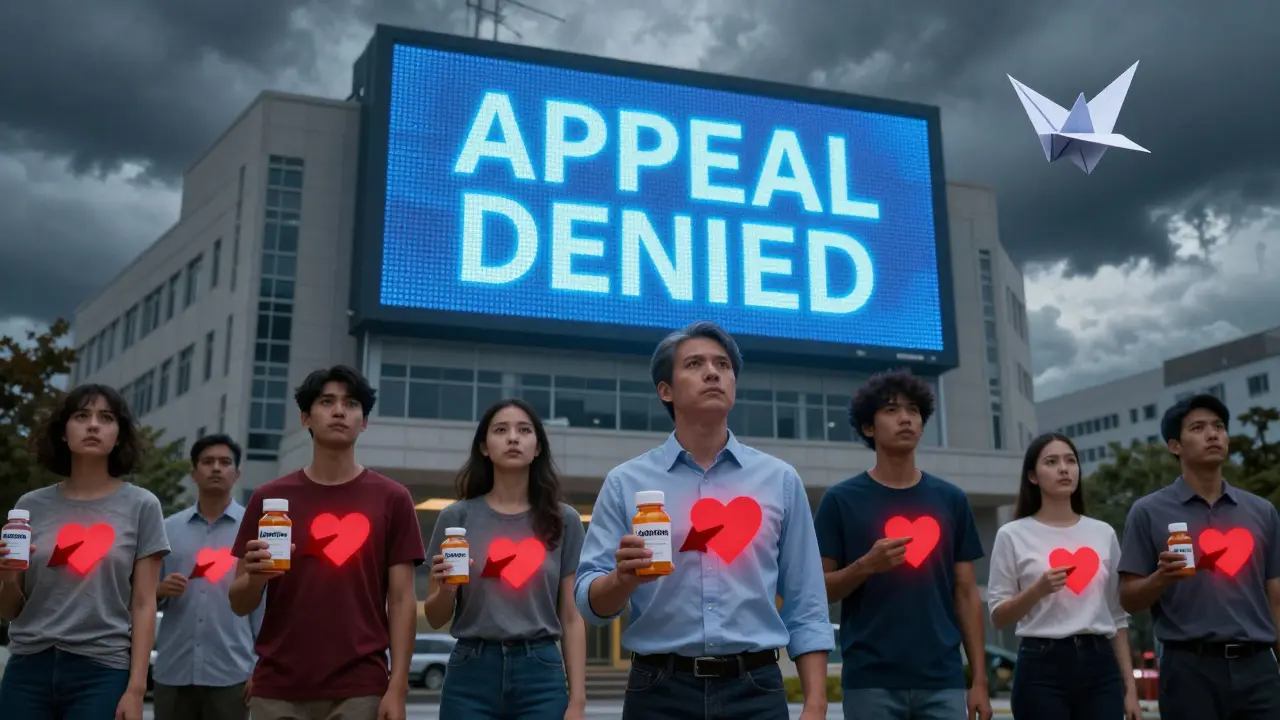
Every time you win an appeal, you’re not just getting your medication. You’re pushing back against a system that treats patients like numbers. In 2022, therapeutic failures from generic switches led to $28 billion in avoidable hospitalizations. That’s not just money-it’s lives. Your fight helps change policy. The 2024 Inflation Reduction Act strengthened Medicare appeal rights. CMS now requires insurers to process appeals for anti-seizure drugs within 72 hours. That happened because people like you fought back.
And the trend is growing. 76% of large employers now include therapeutic inequivalence exceptions in their pharmacy contracts. But only 38% of patients know about it. You’re not just fighting for yourself. You’re making the system better for everyone.
Next Steps
If you’ve been denied:
- Get your EOB today.
- Call your doctor’s office. Ask for an appointment specifically to discuss your appeal. Bring your symptom log and lab results.
- Download a template from the Patient Advocate Foundation or GoodRx.
- Submit your appeal within 30 days.
You’ve already done the hard part-you recognized something’s wrong. Now it’s time to make the system listen.
What if my insurance says the generic is bioequivalent so it must work?
Bioequivalence doesn’t mean identical in effect. The FDA allows a 20% variation in absorption. For drugs like levothyroxine, warfarin, or epilepsy meds, that small difference can cause serious side effects or loss of control. You’re not disputing the science-you’re showing that the standard doesn’t work for your body. Provide lab results and your doctor’s explanation to prove it.
How long does the appeal process take?
Internal appeals take 14-30 days. External reviews take 30-45 days. For urgent cases-like seizures, thyroid crisis, or blood clotting issues-you can request an expedited review. Medicare must respond in 72 hours. State rules vary, but most require faster decisions for life-threatening conditions.
Can I switch back to the brand if I’ve already tried multiple generics?
Yes. In fact, many successful appeals are based on documented failures with two or more generics. The Crohn’s & Colitis Foundation recommends having at least two failed attempts with biosimilars or generics before appealing. But if you’ve had a severe reaction-like seizures, hospitalization, or lab abnormalities-you don’t need to wait. Use the emergency exception pathway.
What if my doctor won’t write a letter?
Many doctors don’t know how to write an effective appeal letter. Bring them a template from GoodRx or the Patient Advocate Foundation. Explain that your health is at risk and that their letter is the key to getting your medication covered. If they still refuse, contact a patient advocacy group-they can often help you find a provider who will support your case.
Is there a deadline to file an appeal?
Yes. For commercial insurance, you have 180 days from the denial date. For Medicare Part D, you have 60 days. Missing the deadline means you lose your right to appeal unless you have a valid reason for delay-like a hospitalization or family emergency. File as soon as you get the denial letter.
Will my premium go up if I appeal?
No. Filing an appeal cannot affect your premiums, coverage, or benefits. It’s illegal for insurers to retaliate. The process is protected under the Affordable Care Act. You’re exercising your right to medically necessary care.
What if my appeal is denied again?
If your external review is denied, you can still request a hearing with Medicare’s Office of Medicare Hearings and Appeals (if on Medicare) or pursue legal action. But most denials are overturned at the external review stage if you have strong documentation. If you’re stuck, contact the Patient Advocate Foundation-they’ll assign you a case manager to help you take the next step.
Final Thought
You’re not asking for special treatment. You’re asking for the same thing everyone else gets: a medication that works. The system is built on averages. But your body isn’t an average. And when the system fails you, you have the power to make it listen.
Crystal August
January 20, 2026 AT 11:35The system is broken. I’ve been denied my brand-name levothyroxine three times. My TSH went from 3.2 to 18.4. I was exhausted, depressed, gained 20 pounds. My doctor wrote a letter. They ignored it. Now I’m paying out of pocket. This isn’t healthcare. It’s profit-driven cruelty.
pragya mishra
January 21, 2026 AT 17:12Why do Americans think they’re special? In India, we take generics without drama. If it’s FDA-approved, it works. You’re just lazy or overreacting. Stop wasting insurance money.
Manoj Kumar Billigunta
January 23, 2026 AT 05:27Hey, I get it. I’m a diabetic and my generic metformin gave me stomach cramps so bad I had to go to the ER. My doc helped me appeal - we used lab numbers, timing of symptoms, and cited the ADA guidelines. Took 3 weeks. Got approved. Don’t give up. The data matters more than your feelings. Bring hard numbers. Your doctor can do this - just give them the template. You’re not alone.
Andy Thompson
January 24, 2026 AT 11:44Big Pharma owns the FDA. The generics are deliberately made weaker so you’ll keep buying brand. That’s why your TSH spikes. They want you hooked. And the insurance companies? They’re in on it. The government lets them do this because they’re paid off. You think this is about cost? Nah. It’s about control. Wake up.
sagar sanadi
January 25, 2026 AT 02:07Wow. So the 45% absorption window is a conspiracy? Next you’ll say gravity’s optional if you don’t like falling. If generics didn’t work, we’d all be dead by now. You’re just mad because your $200 pill got replaced with a $5 one. Grow up.
Art Gar
January 26, 2026 AT 15:06While the emotional weight of this issue is not to be discounted, it is imperative to acknowledge that the regulatory framework governing bioequivalence is grounded in statistically validated pharmacokinetic parameters. To assert clinical inequivalence without controlled, double-blind, crossover trials constitutes anecdotal evidence, which, while compelling to the individual, does not meet evidentiary thresholds for systemic policy revision.
Edith Brederode
January 28, 2026 AT 10:27Thank you for writing this. I just won my appeal last month after 6 weeks. I had breakthrough seizures on generic levetiracetam. My neurologist used the Epilepsy Foundation template - included EEGs and a chart of my seizure frequency before/after. They approved it. I cried. 🙏 You’re not crazy. Your body matters. Keep fighting. 💪
Renee Stringer
January 29, 2026 AT 08:09I’ve been on Synthroid for 12 years. Switched to generic once. My heart raced. I couldn’t sleep. My doctor said it was "probably coincidence." I didn’t appeal. I paid $180/month out of pocket. I’m not mad. I’m just tired. This shouldn’t be a battle.