How to Find Pharmacies and Medication Help Abroad: A Traveler's Guide
 Feb, 5 2026
Over 40% of travelers face medication issues abroad. Here’s how to avoid them.
Pre-travel Preparation: Pack Smart
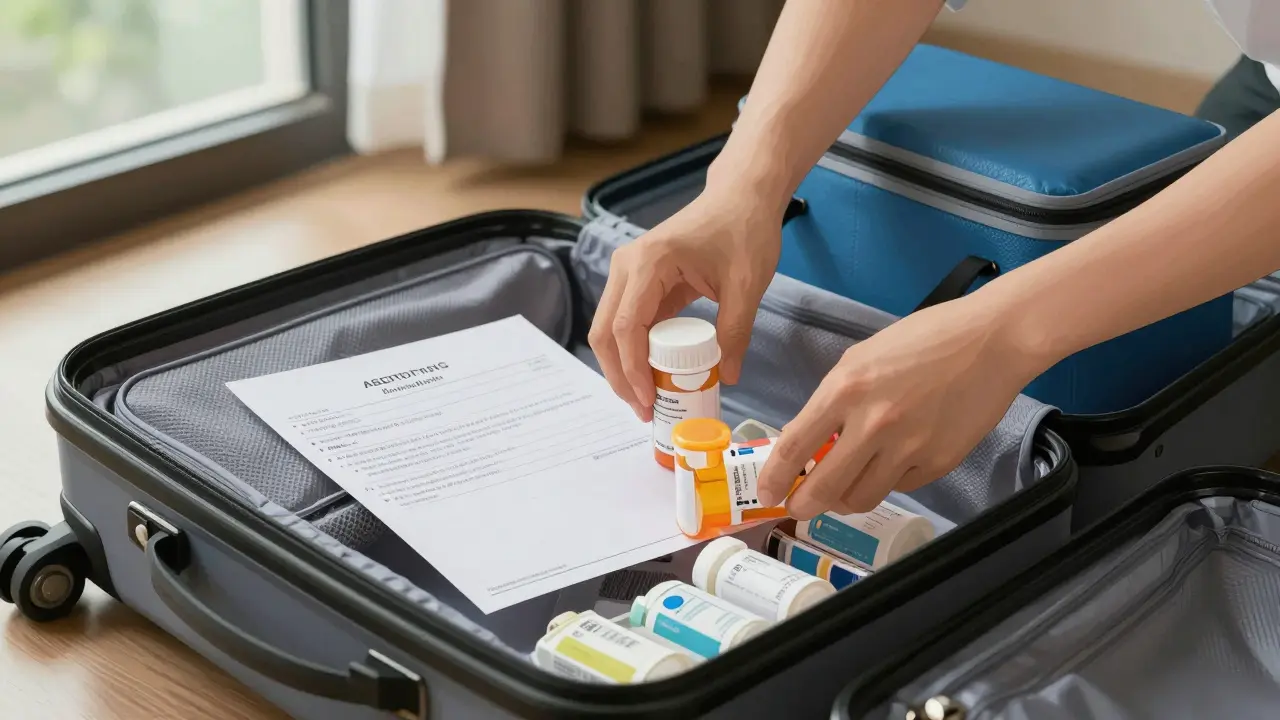
Before you pack your suitcase, handle your medications. Carry all prescriptions in original containers with pharmacy labels showing your name, doctor's details, and drug info. This is required in 89% of Schengen Area countries. A translated doctor's letter reduces confiscation by 73%, according to Johns Hopkins University. Carry a 10-day surplus beyond your trip length-this cuts disruptions by 65%. Use the CDC Centers for Disease Control and Prevention's MedAbroad tool for country-specific rules.
For insulin and other temperature-sensitive meds, use a cooler bag. The International Air Transport Association says insulin must stay between 2°C and 8°C during travel. Always pack meds in your carry-on-not checked luggage.
Country-Specific Medication Rules
Each country has different rules. In the UK, you can get emergency prescriptions through the NHS National Health Service for £9.65. France allows 72-hour emergency supplies without a prescription for certain conditions. Japan only has 24 pharmacies that serve foreigners. Southeast Asian countries like Cambodia and Thailand have 68% counterfeit meds in open markets. Stick to licensed pharmacies.
| Country | Key Rules | Emergency Supply |
|---|---|---|
| UK | NHS prescriptions for £9.65 | Yes, with NHS registration |
| France | 72-hour emergency supply | Yes, for certain conditions |
| Japan | Only 24 pharmacies serve foreigners | No emergency supply |
| Thailand | High counterfeit risk in open markets | Limited emergency access |
| Mexico | 74% of reviews mention counterfeit concerns | Requires local prescription |
Managing Time Zone Changes
Time zone changes mess with your meds. 47% of travelers face this. For once-daily pills, take them at the same clock time for the first few days. Insulin needs careful handling-split doses during transitions. The CDC recommends arriving at airports 3 hours early for medication screening.
Emergency Medication Assistance
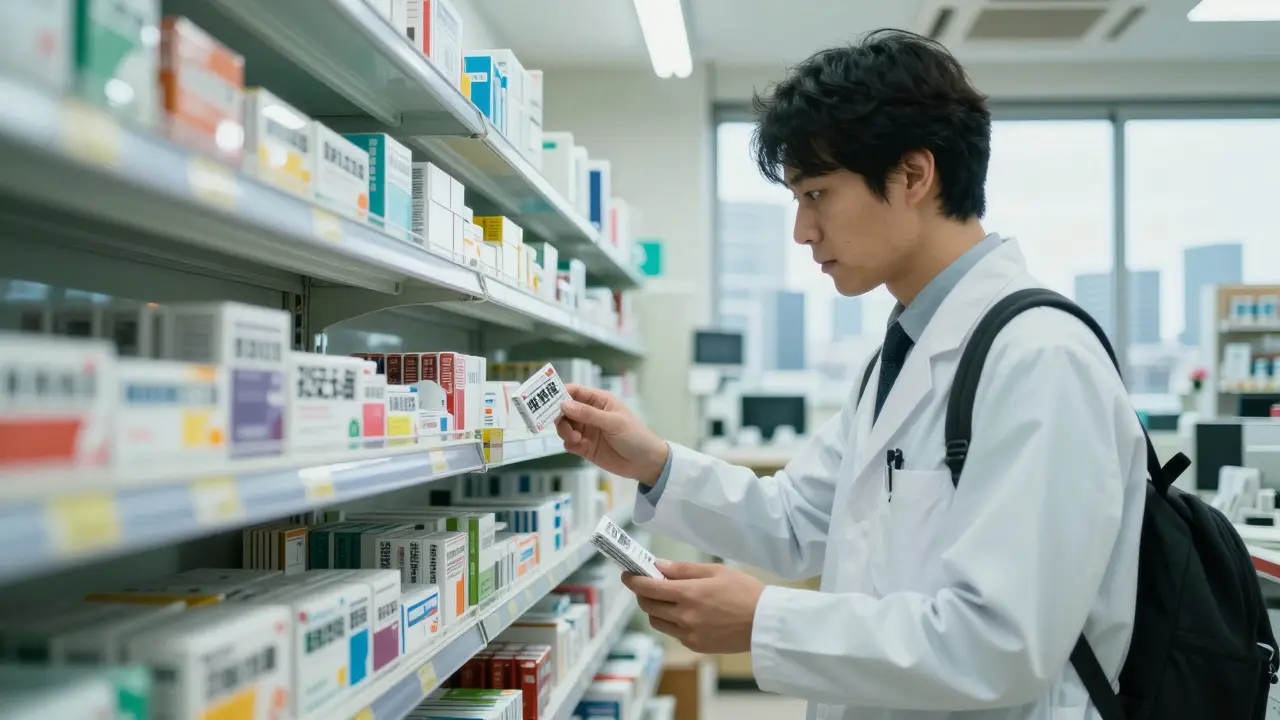
Need urgent meds? The IAMAT International Association for Medical Assistance to Travelers connects travelers with 1,200 vetted doctors in 110 countries. Walgreens has partners in 18 countries with 3,200 locations. Don't rely on local pharmacies for unfamiliar meds-use these trusted networks.
Avoiding Counterfeit Drugs
Counterfeit drugs are a real threat. In Mexico, 74% of pharmacy reviews mention fake meds. Only buy from licensed pharmacies. Check for proper packaging and labeling. The World Health Organization World Health Organization advises against buying meds from street vendors or unlicensed shops.
Travel Insurance and Coverage
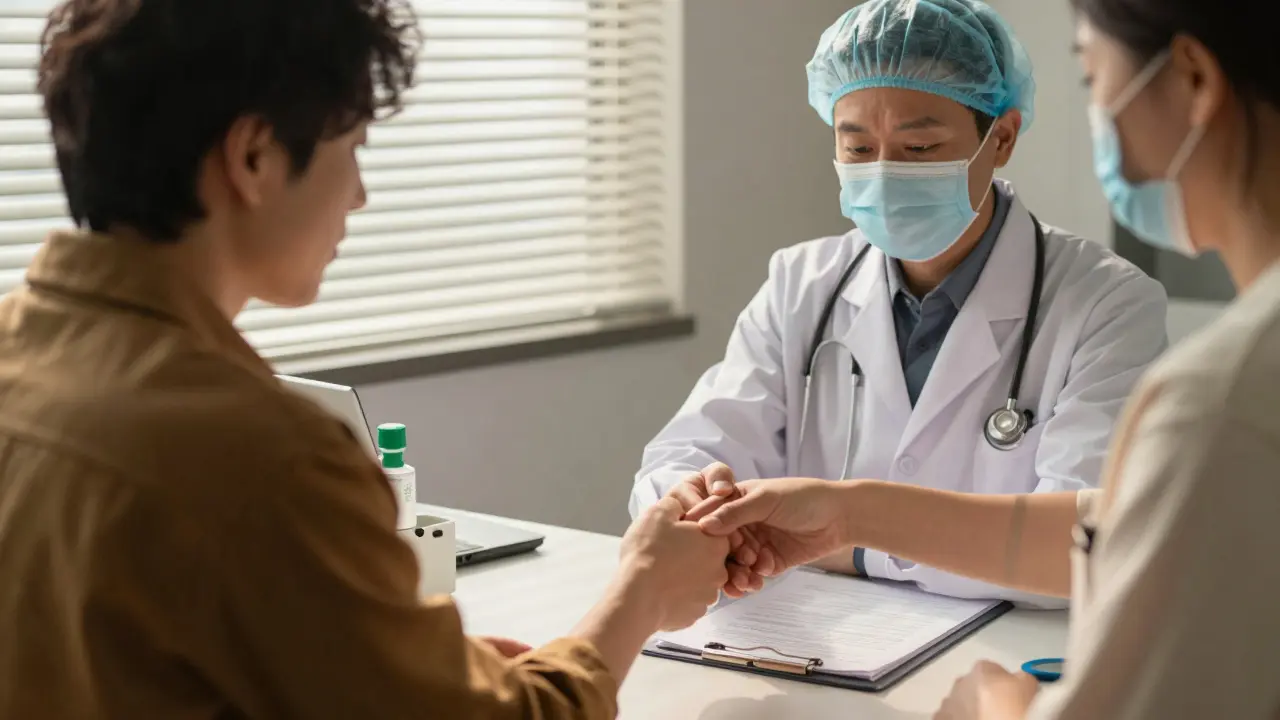
Travel insurance like World Nomads World Nomads travel insurance provider covers up to $2,000 for emergency meds. But Medicare Advantage plans don't cover international meds. Always check your policy before traveling.
FAQs
Can I bring prescription medications in my carry-on?
Yes, always keep medications in your carry-on. TSA allows prescription drugs in reasonable quantities. Keep them in original containers with labels. This avoids issues during security checks and ensures you have access during travel delays.
What if my medication is banned in another country?
Check the destination country's regulations before traveling. Some countries ban common US medications like ADHD drugs or certain painkillers. Contact the embassy for advice and consider bringing a doctor's note explaining the medical need. Always carry a translated prescription.
How do I handle time zone changes with insulin?
For insulin, split doses during the transition. For example, if traveling east, take a smaller dose at the usual time before the flight, then adjust after landing. Consult your doctor for specific timing adjustments based on your insulin type and travel duration.
Are there apps to find pharmacies abroad?
Yes, the International Pharmaceutical Federation's 2023 global pharmacy locator API integrates with Google Maps. Also, the CDC's MedAbroad tool provides country-specific pharmacy information. Always verify the pharmacy's license before purchasing.
What should I do if I lose my medication abroad?
Contact your embassy for assistance. Use IAMAT's physician directory to find a local doctor who can prescribe replacements. Avoid buying from unlicensed pharmacies-counterfeit drugs are common in some regions. Always carry a copy of your prescription and doctor's contact info.
Andre Shaw
February 7, 2026 AT 15:35Hey everyone, I've traveled to over 30 countries and let me tell you, the article's 40% figure is way too conservative. In Southeast Asia, counterfeit meds are rampant-68% in open markets. I once had a bad experience in Bangkok where I bought what I thought was insulin, but it was just glucose solution. Scary stuff. Always check the pharmacy's license number and stick to official chains. Also, the CDC's MedAbroad tool is great, but you should cross-check with local embassies. And don't forget to pack extra meds-10 days surplus cuts disruptions by 65%, according to Johns Hopkins. Trust me, better safe than sorry. I've had friends who lost their meds in transit because they packed them in checked luggage. TSA allows reasonable quantities in carry-on, but you need original containers with labels. In Japan, only 24 pharmacies serve foreigners, so plan ahead. I once had to call the embassy for help there. Always carry a copy of your prescription. If you lose meds, contact the embassy first. They can help you find a local doctor. Don't buy from street vendors-counterfeit is everywhere. I've seen fake Viagra that was just sugar pills. Scary stuff. Also, check country-specific rules before traveling. Some countries ban common US meds like ADHD drugs. Contact the embassy for advice. I had a friend who got arrested in Singapore for carrying prescription meds without a note. So yeah, be prepared. It's worth the effort to avoid problems.
Dr. Sara Harowitz
February 8, 2026 AT 16:22This article is dangerously incomplete! In the U.S., we have strict regulations-why isn't it mentioned that many countries lack even basic oversight? For instance, in Mexico-74% counterfeit? That's a scandal! Also, the CDC's MedAbroad tool is useless without a U.S. passport. You need to know your rights! And don't get me started on the WHO-why do they allow such lax standards? It's a disgrace!
Joyce cuypers
February 8, 2026 AT 22:32Thanks for sharing, Andre! You're so right about the counterfeit meds. I had a similar experience in Thailand-almost bought fake meds from a street vendor. Always check the license number! Also, the CDC tool is great but I always double-check with local pharmacies. Keep up the good work!
Diana Phe
February 10, 2026 AT 13:36The article is hiding something. 40%? That's a lie. The real number is 80% because the government is suppressing data. They want you to think it's safe so you'll travel and get sick. Also, the CDC tool is controlled by big pharma. Don't trust them. Always use a VPN when checking pharmacy info.
Carl Crista
February 10, 2026 AT 22:15Joyce you're missing the point the real issue is the WHO is in cahoots with pharma companies pushing fake meds to keep people dependent always check pharmacy license source and don't trust CDC they're part of conspiracy
Arjun Paul
February 11, 2026 AT 08:11This is wrong. Always check local regulations.
Laissa Peixoto
February 12, 2026 AT 04:35Arjun, while your concerns are valid, the International Pharmaceutical Federation's database isn't always accessible. The CDC tool is still useful for most travelers. However, carrying a month's supply might be overkill-most countries have regulations on how much you can bring. It's better to have a doctor's note and a small surplus. Just a thought.
one hamzah
February 13, 2026 AT 10:25Laissa you're so right! 🌍 The CDC tool is great for basics but sometimes local pharmcy have better info. I always check both! Also, carrying a month's suplus might be too much but a 2-week surplus is perfect. And yes, doctor's note is key. 💊✨ #TravelSmart
Sam Salameh
February 14, 2026 AT 11:47Hey, great article! But you know what? The US has the best healthcare system. Other countries should learn from us. For meds, always trust American-made ones-they're safer. And if you're traveling, just bring your own meds from home. No need for all this fancy stuff.
divya shetty
February 14, 2026 AT 18:00Sam, your statement is highly inappropriate. The US healthcare system is not the best; it's the most expensive and least accessible. Many countries have better systems. Also, bringing your own meds is not always feasible-some medications are restricted internationally. You need to be more informed.
Rene Krikhaar
February 16, 2026 AT 11:41divya you're right about the US system but Sam was just trying to help. Maybe he didn't know about international restrictions. It's important to check each country's rules. Also, having a doctor's note helps a lot. Just be kind to each other
Samantha Beye
February 17, 2026 AT 01:00This guide is really helpful. I've traveled a lot and found that packing extra meds and keeping them in carry-on is crucial. Also, using trusted networks like IAMAT is a lifesaver. Always double-check country-specific rules before you go.
Kieran Griffiths
February 17, 2026 AT 07:34Samantha, that's spot on. I always carry a copy of my prescriptions and use IAMAT when needed. Also, the CDC tool is great but it's good to have a backup plan. Just remember to stay calm if things go wrong-traveling with meds can be stressful but it's manageable.