How to Communicate with Multiple Healthcare Providers About Your Medications
 Feb, 2 2026
Why Medication Communication Between Doctors Matters More Than You Think
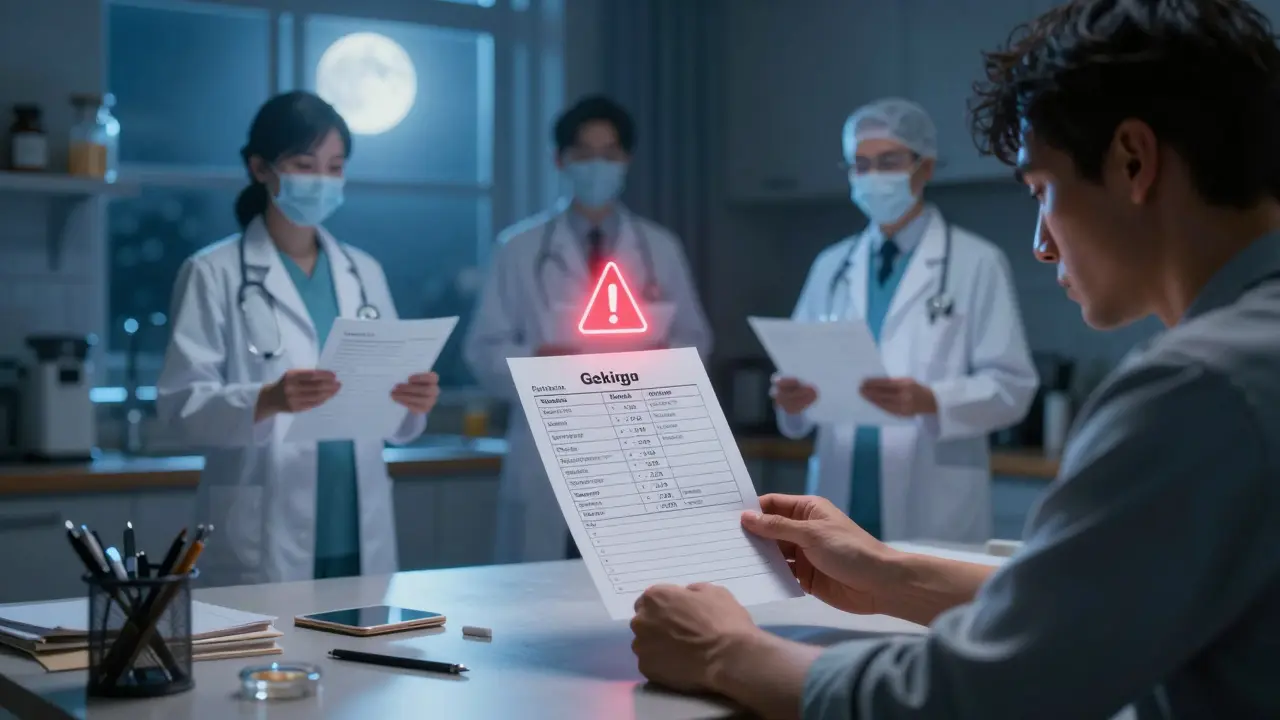
You’re seeing three different specialists. One prescribed a new painkiller. Another added a blood pressure pill. Your primary care doctor gave you an antidepressant. None of them know what the others wrote. Then you feel dizzy, nauseous, and confused. You end up in the ER. This isn’t rare. In fact, it’s happening to 1.5 million Americans every year because their providers didn’t talk to each other about medications.
The problem isn’t that doctors are careless. It’s that the system doesn’t make it easy for them to share information. A 2022 study found that 68% of patients seeing multiple providers had at least one medication error caused by poor communication. That’s nearly 7 out of 10 people. And it’s not just about side effects-it’s about life-threatening interactions, duplicated prescriptions, and medications that cancel each other out.
Here’s the truth: if you’re taking more than three medications, you’re at risk. And you’re the only person who sees all the pieces. That means you have to be the one who connects the dots.
The Four Essential Pieces of Every Medication List
Before you walk into any doctor’s office, have a simple, updated list ready. Not a scribble on a napkin. Not a note in your phone. A clean, printed list with exactly four things for every medication:
- Name (brand and generic if you know it)
- Dosage (e.g., 10 mg, 500 mg)
- Frequency (e.g., once daily, twice a week, as needed)
- Purpose (why you’re taking it-e.g., "for high blood pressure," "for anxiety")
This isn’t just good advice. It’s the standard used by hospitals and clinics across the U.S. A 2023 Tulane University study showed patients who used this format had 37% fewer medication errors. Why? Because when a pharmacist or doctor scans your list, they can instantly spot duplicates, conflicts, or missing info.
Update this list every time you start, stop, or change a dose. Keep a copy in your wallet, your phone, and give one to each provider at every visit. Don’t assume they remember what you told them last month.
How Specialists Often Cause Medication Problems (And How to Stop It)
Specialists focus on one part of your body. A cardiologist treats your heart. A neurologist handles your migraines. A rheumatologist manages your arthritis. But they don’t always check what else you’re taking.
Here’s what happens: 57% of patients reported specialists changed their meds without telling their primary doctor. And specialists start 41% of the medications that later clash with existing ones. That’s not negligence-it’s a system flaw. Each provider is trained to fix their piece of the puzzle, not see the whole picture.
So what do you do? Before any specialist prescribes something new, say this: "I’m under the care of other doctors. Can you check if this interacts with my other medications?" Then hand them your list. If they say, "I’ll just look in the system," ask: "Which system? Do you have access to my other providers’ records?" If they hesitate, you’ve found a gap.
Also, ask: "Will you send a summary of this change to my primary care doctor?" Get it in writing. If they don’t, offer to email it yourself. Most doctors will say yes if you ask politely.

The One Person Who Can Fix This for You: The Pharmacist
Pharmacists are the unsung heroes of medication safety. They see every prescription you fill. They know how drugs interact. And they’re trained to catch mistakes before they hurt you.
A 2023 study by Asteroid Health found that patients who worked with a clinical pharmacist had 32% higher adherence to their meds-and 63% more confidence in their regimen. Why? Because pharmacists don’t just dispense pills. They review all your medications, call your doctors if something looks wrong, and explain side effects in plain language.
Most independent pharmacies now offer free Medication Therapy Management (MTM) services. Ask: "Do you offer a full med review?" If they say yes, bring your list. They’ll spend 20-30 minutes going through everything. They’ll flag interactions, suggest cheaper alternatives, and even call your doctors to clarify prescriptions.
This service is often covered by Medicare and many private plans. Don’t wait until you have a problem. Schedule a review every six months, or after any big change in your meds.
What to Do When You Switch Doctors or Go to the Hospital
Transitions are the most dangerous times for medication errors. A 2022 study found that 56% of medication mistakes happen when patients move between care settings-like from hospital to home, or from one clinic to another.
Here’s how to protect yourself:
- Before discharge: Ask for a complete list of all medications you’re being sent home with-new ones, changed ones, and ones you should stop.
- Within 48 hours: Call your primary care doctor and read them the list. Ask: "Are any of these new? Should I stop anything?"
- Within one week: Schedule a follow-up with your pharmacist for a full med review.
Don’t trust memory. Don’t rely on the hospital’s discharge summary-it’s often incomplete or delayed. Take your own notes. Write down the name, dose, and reason for every medication you’re told to take. If you’re given a pill bottle, check the label against your list. If it doesn’t match, ask why.
Use the Teach-Back Method to Avoid Misunderstandings
Doctors give instructions fast. You nod along. Later, you’re confused. "Was it before or after meals?" "Did I take one or two?"
The Teach-Back Method stops that. After your doctor explains how to take a new medication, say: "Just to make sure I got it right, can you have me explain it back?" Then say it out loud in your own words: "So I take this 20 mg pill once a day, right after breakfast, to lower my blood pressure. If I feel dizzy, I should call you. Is that correct?"
The Agency for Healthcare Research and Quality found this reduces misunderstandings by 45%. It doesn’t make you sound dumb-it makes you smart. And it forces your provider to check if they were clear.
Use this every time you get a new prescription. Even if it’s something simple.
Track Your Symptoms-It’s Not Just for Doctors
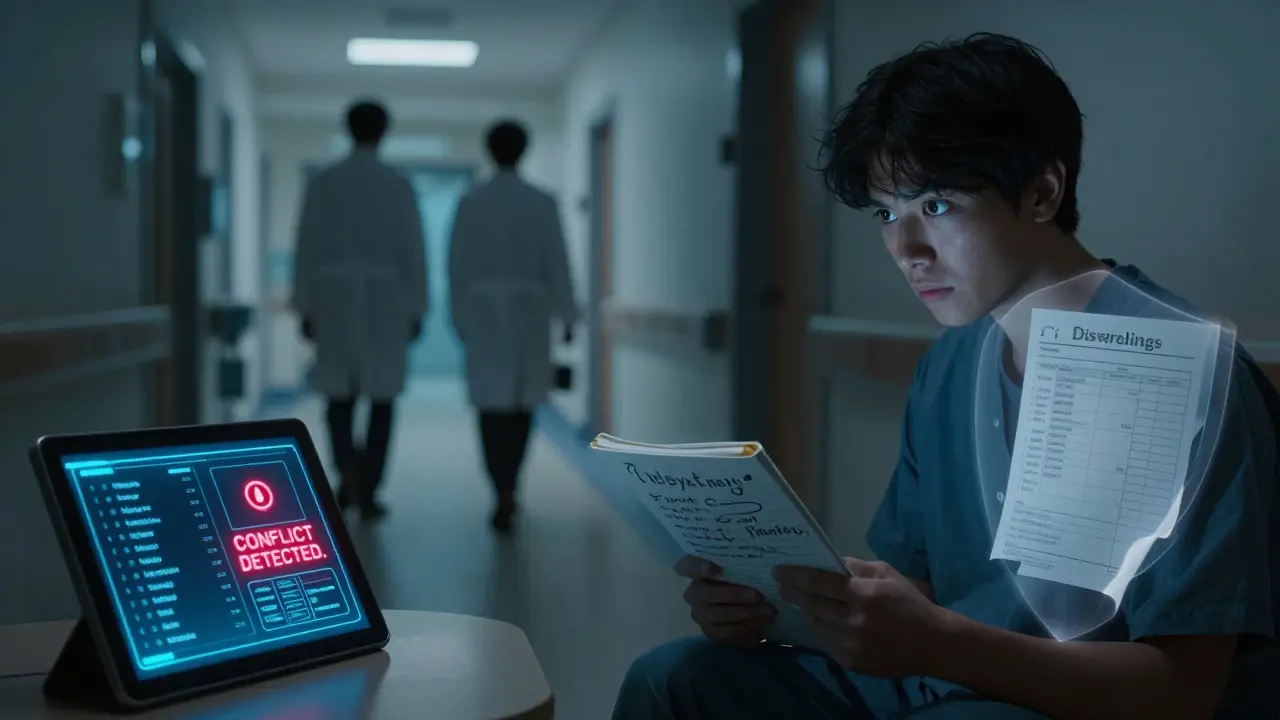
Side effects don’t always show up right away. A new pill might cause fatigue after two weeks. Or make you sleep too much. Or mess with your mood.
Keep a simple journal. Just three things every day:
- What meds you took
- Any new symptoms (dizziness, rash, nausea, sleep changes)
- How you felt overall (energy, mood, appetite)
It doesn’t have to be fancy. Use a notebook, a notes app, or even a spreadsheet. A 2023 UCSF study showed patients who tracked symptoms had 22% fewer bad reactions.
Bring this journal to every appointment. It gives your providers real data-not just "I feel okay." And it helps them spot patterns no one else can.
When the System Fails: How to Advocate for Yourself
Even with all the right tools, the system still breaks. EHRs don’t talk to each other. Doctors don’t share notes. Insurance networks block access.
So here’s your backup plan:
- Ask each provider: "Do you use the same electronic system as [other doctor’s name]?" If they say no, say: "Can you fax or email your notes to my primary care doctor?"
- If you’re seeing a new specialist, ask them to send a summary of your visit to your PCP. Offer to provide their contact info.
- If you feel ignored or dismissed, say: "I’m concerned about medication safety. I’ve had issues before. Can we set up a plan to make sure everyone is on the same page?"
Remember: you’re not being difficult. You’re being responsible. And you’re not alone. The CDC says 80% of serious medical errors involve communication failures. You’re not the problem-you’re the solution.
What’s Changing-and What’s Coming
The good news? Things are improving. The 21st Century Cures Act requires hospitals and clinics to share records. Medicare now pays bonuses to providers who coordinate care well. By 2025, 78% of pharmacies will offer formal med reviews.
AI tools are starting to help, too. At Mayo Clinic, new software can scan all your meds and flag conflicts in under a minute. That’s a huge leap from the 15 minutes it used to take.
But none of this matters if you don’t stay involved. Technology won’t fix what people don’t communicate. You have to keep your list updated. You have to ask the questions. You have to bring your journal. You have to call your pharmacist.
Because when it comes to your medications, no one else has the full picture. And no one else will fight for you the way you can.
What should I do if my doctors don’t talk to each other about my meds?
Take charge yourself. Bring a complete, updated medication list to every appointment. Ask each provider: "Will you share this with my other doctors?" Offer to email or fax it yourself. If they refuse, ask to speak with their care coordinator or office manager. Most clinics have someone whose job is to help with communication between providers.
Can my pharmacist really help me with multiple doctors?
Yes-more than you think. Pharmacists see every prescription you fill and can spot dangerous interactions, duplicates, or outdated meds. Many offer free Medication Therapy Management (MTM) services, where they review all your drugs, call your doctors to clarify changes, and even help you save money. Ask your pharmacy if they offer MTM. It’s often covered by Medicare and private insurance.
How often should I update my medication list?
Update it every single time you start, stop, or change the dose of any medication-even if it’s over-the-counter or herbal. Also update it after hospital visits, ER trips, or specialist appointments. Keep a printed copy in your wallet and a digital copy on your phone. Never assume your doctors remember what you told them last month.
What’s the biggest mistake people make with multiple meds?
Assuming their doctors are talking. Most patients think their specialists and primary care doctors share notes automatically. They don’t. EHRs often don’t connect. Paper records get lost. Phone calls aren’t documented. You’re the only person who sees all the pieces. If you don’t speak up, no one else will.
Is it safe to stop a medication if I think it’s causing side effects?
Never stop a prescription without talking to your doctor first. Some meds can cause dangerous withdrawal symptoms if stopped suddenly. Instead, write down your symptoms, bring your journal to your next appointment, and say: "I’ve been having [symptom] since I started [medication]. Can we talk about whether this is related?" Your pharmacist can also help you understand if the side effect is common or serious.
Solomon Ahonsi
February 3, 2026 AT 14:54This whole post is just a lecture on how to be your own damn nurse. Like yeah, I get it - doctors are lazy and systems suck. But do you really think I’m gonna print out a fucking list, update it every time I sneeze, and hand it to every specialist like it’s a goddamn resume? I’ve got a job, a kid, and a life. Stop acting like this is a checklist for sainthood.
George Firican
February 4, 2026 AT 20:53The tragedy here isn’t just fragmented care - it’s the erosion of trust in the very institutions meant to heal us. We’ve built a medical-industrial complex that treats patients as data points, not human beings navigating biological complexity. The four-item list is a bandage on a hemorrhage. What we need is systemic redesign: interoperable EHRs, mandatory care coordination audits, and pharmacists embedded in every primary team. Until then, we’re all just playing whack-a-mole with our own lives.
Matt W
February 5, 2026 AT 01:48I used to think I was being annoying asking questions at every appointment. Then my mom had a bad reaction because her cardiologist didn’t know she was on a new antidepressant. I started keeping the list, bringing the journal, and asking pharmacists for reviews. It saved her. I know it sounds like extra work - but honestly? It’s the only thing keeping me from losing someone I love. You don’t have to be perfect. Just show up with the list. That’s enough.
Anthony Massirman
February 5, 2026 AT 14:20Just bring the list. That’s it. Done.
larry keenan
February 6, 2026 AT 15:35While the procedural recommendations are empirically sound and align with current best practices in medication reconciliation, the underlying assumption that patient self-advocacy is a sufficient substitute for institutional accountability is methodologically problematic. The burden of cognitive labor and administrative overhead is disproportionately externalized onto vulnerable populations, particularly those with low health literacy or limited socioeconomic resources. A truly equitable system would mandate clinician-level interoperability, not patient-level vigilance.
Nick Flake
February 8, 2026 AT 07:30THIS. IS. EVERYTHING. 🙌
Imagine if your car mechanic asked you to write down every part you’ve ever replaced - and then didn’t even look at your list? That’s what we’re doing with our bodies. The pharmacist? The unsung hero. The journal? Your secret weapon. The teach-back? Your superpower. Don’t wait for the system to fix itself - be the glitch in the matrix that makes them pause. You’re not just a patient. You’re the CEO of your own health. And you deserve a seat at the table. 💪💊
Akhona Myeki
February 9, 2026 AT 17:32It is an absolute disgrace that Western healthcare systems have devolved into this state of chaotic negligence. In South Africa, we have no such luxury of multiple specialists - we are grateful for one doctor who remembers our name. You people are drowning in privilege and yet still complaining about paperwork? This is not a failure of technology - it is a moral failure of individual responsibility. If you cannot manage three medications, perhaps you should not be taking them. The list is not optional - it is the bare minimum of human dignity.
Chinmoy Kumar
February 10, 2026 AT 06:57i read this whole thing and i’m like wow… but i keep forgetting to update my list 😅
last time i went to the doc i had like 5 meds and i forgot one and he prescribed another one that i already had… so now i have two of the same thing 🤦♂️
gonna try the journal thing… maybe with a sticky note on my mirror? 🤞