How to Communicate Past Drug Reactions Before Surgery
 Dec, 1 2025
When you’re scheduled for surgery, the last thing you want is for a drug you took years ago to come back and haunt you in the operating room. That’s not fear-it’s fact. Every year, preventable drug reactions during surgery send patients into anaphylactic shock, cause dangerous drops in blood pressure, or trigger severe nausea and breathing problems. And in most cases, it’s not because the medical team messed up. It’s because the patient didn’t know how to tell them what happened before.
Why Your Drug History Matters More Than You Think
You might think, "I had a rash from penicillin when I was 12. That was decades ago. It’s not a big deal." But here’s the truth: your body remembers. Even if you haven’t had a reaction in 20 years, your immune system still knows what that drug looks like. And when you’re under anesthesia, your body’s defenses are lowered. A drug you once tolerated could suddenly trigger a life-threatening response. According to the American Society of Anesthesiologists, allergic reactions during anesthesia happen in about 1 in 10,000 cases. That sounds rare-until you realize that 1.1% of all anesthesia-related deaths are tied to these reactions. And most of them? Preventable. The key isn’t just knowing your own history. It’s knowing how to communicate it clearly to people who don’t speak "patient." They need specifics: what drug? What happened? When? How did they treat it?What Counts as a Drug Reaction?
Not every bad feeling after a pill is an allergy. Many people say they’re "allergic" to something when they just had a side effect. That’s a problem.- True allergy: Your immune system reacts. Symptoms include hives, swelling, trouble breathing, low blood pressure, or anaphylaxis. These can be deadly.
- Side effect: Nausea, dizziness, drowsiness, or a headache. These aren’t allergies. They’re just unpleasant.
- Intolerance: You get severe nausea from codeine, but no rash or swelling. That’s not an allergy-but it still matters.
What to Document Before Your Appointment
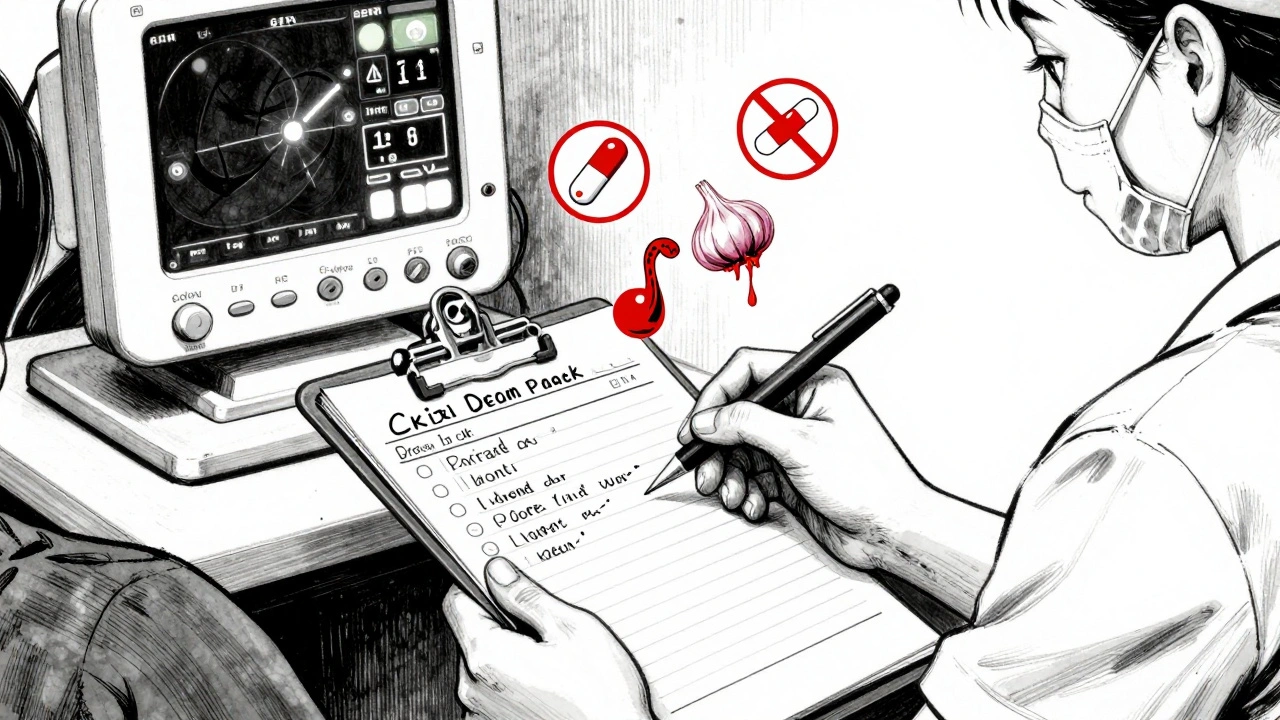
Start at least a week before your surgery. Gather this info:- Drug names: Exact names, not brand names. Say "amoxicillin," not "that antibiotic the doctor gave me for my ear infection."
- Reaction details: What happened? Rash? Swollen lips? Trouble breathing? Passed out? Vomited for hours?
- Timing: How long after taking the drug did symptoms start? Minutes? Hours?
- Treatment: Did you get epinephrine? Benadryl? Go to the ER?
- Other meds: Don’t forget vitamins, supplements, herbal teas, or even CBD oil. Some of these can interact with anesthesia.
How to Talk to Your Doctors Without Getting Rushed
Most pre-op appointments are short. You’re nervous. They’re busy. But you have to make this count. Don’t wait until you’re in the pre-op holding area. That’s too late. Bring this with you:- A written list of all medications you’ve ever had a reaction to, even if it was years ago.
- The date of each reaction.
- Any documentation you have-ER reports, allergy cards, or letters from allergists.
What If You Don’t Remember the Drug Name?
You’re not alone. A 2022 study found that 32% of patients couldn’t recall the exact name of the drug that caused their reaction. Try this:- Look through old pill bottles or pharmacy records.
- Call your old doctor’s office. They might still have records.
- Think about the reason you took it. Was it for an infection? A toothache? A surgery? That narrows it down.
- Bring a list of all the medications you’ve taken in the last 10 years-even if you think they’re fine.
Don’t Ignore Supplements and Herbal Products
You think ginseng or fish oil is harmless? Think again. Many herbal supplements thin your blood. Others interfere with anesthesia. St. John’s Wort can make pain meds less effective. Garlic and ginkgo can cause bleeding during surgery. Even vitamin E in high doses can be risky. A 2023 study showed that 41% of patients didn’t tell their anesthesiologist about supplements. Half of them had unexpected bleeding or blood pressure issues during surgery. Make a list. Include:- Vitamins (especially high-dose C, E, or K)
- Herbs (turmeric, ginger, echinacea, valerian)
- Essential oils taken orally
- Probiotics and other supplements
What Happens After You Tell Them?
Good hospitals have systems for this. Your information goes into the electronic health record. A pharmacist reviews it 24 hours before surgery. An anesthesiologist checks it again right before you’re wheeled in. If you had a serious reaction, they might:- Order an allergy test before surgery
- Choose alternative drugs that won’t trigger a reaction
- Have epinephrine and other emergency meds ready in the OR
- Consult an allergist after surgery to confirm the trigger
What If You’re Having Emergency Surgery?
This is the scary one. You’re rushed. No time to explain. But even then, your history matters. If you have a known severe allergy, wear a medical alert bracelet. Write your reaction on a card and keep it in your wallet. Some hospitals give out free allergy cards-you can get one from your pharmacist or allergist. In emergencies, doctors will assume you have allergies unless told otherwise. They’ll start with the safest, most common drugs. But if you’ve had a reaction to a specific class of drugs (like penicillin or sulfonamides), they’ll avoid those entirely.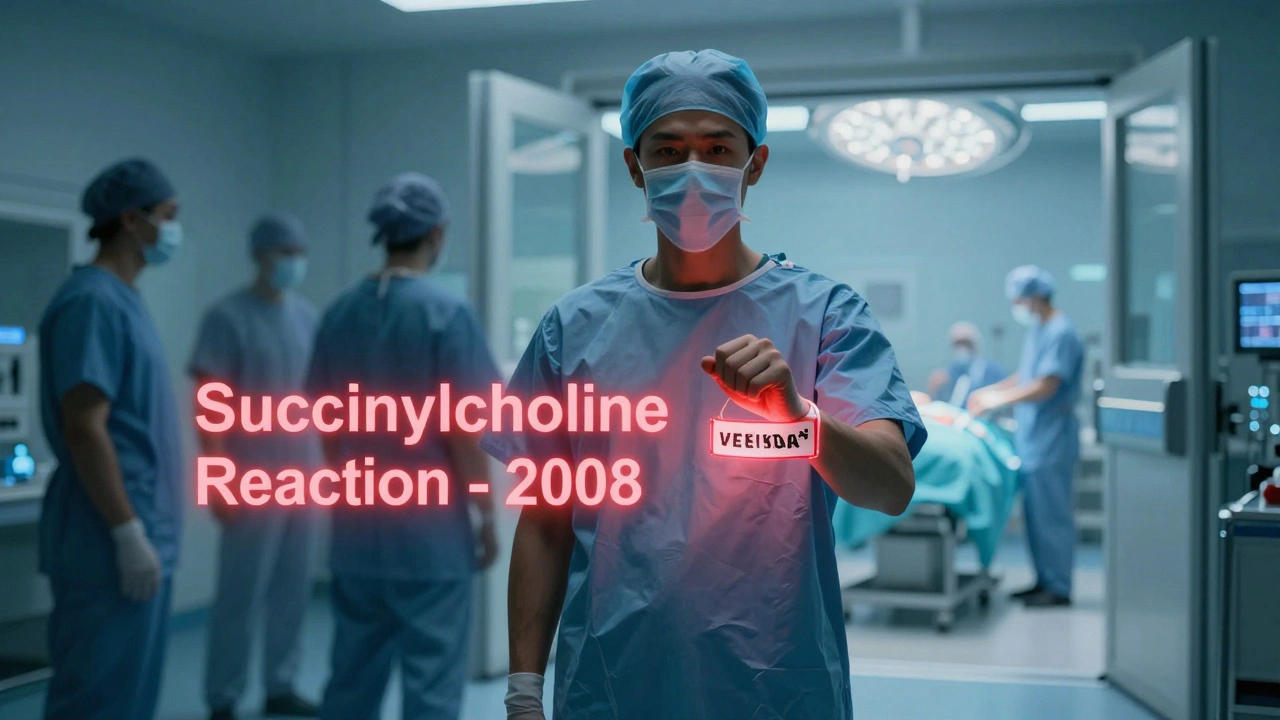
What to Do After Surgery
If you had a reaction during surgery-or even a close call-get follow-up care.- Ask for a referral to an allergist within 4-6 weeks.
- Get tested to confirm what caused it.
- Ask for a written report you can carry with you.
- Update your electronic health record with the confirmed diagnosis.
Final Checklist Before Surgery
Do this at least 72 hours before your procedure:- Write down every drug you’ve ever had a reaction to-even if it was 20 years ago.
- For each, note: what happened, when, and how it was treated.
- Include all supplements, vitamins, and herbal products.
- Bring this list to your pre-op appointment.
- Ask: "Will you document this in my chart? Can I get a copy?"
- Wear a medical alert bracelet if you have a confirmed life-threatening allergy.
What Happens If You Don’t Tell Them?
A 2021 case reported to the Anesthesia Patient Safety Foundation involved a woman who never mentioned her vancomycin allergy. She was given the drug during heart surgery. She went into anaphylactic shock. She survived-but spent three weeks in the ICU. That wasn’t negligence. It was silence. You’re not being dramatic. You’re being smart. Your life isn’t a guess. It’s a record. And you’re the only one who holds the key to that record.What You Can Do Right Now
If you have surgery coming up:- Grab a piece of paper.
- Write down every drug you’ve ever reacted to.
- Call your pharmacy. Ask for your medication history.
- Print it. Bring it.
James Kerr
December 2, 2025 AT 17:06Bro, I just printed this out and taped it to my fridge. My knee surgery is next month and I totally forgot about that fish oil I take. Thanks for the nudge. Seriously, this could save lives.
Rashmin Patel
December 2, 2025 AT 21:25As someone who had anaphylaxis to amoxicillin at 14 and spent 3 days in ICU, I can’t stress this enough: write it down. Not just in your head. Not on a sticky note that gets lost. A printed, dated, signed list. I carry mine in my wallet like a damn passport. And yes, I use 🚨 emoji for it now. I don’t care if it’s unprofessional - I’m alive. Also, don’t forget that CBD oil can mess with liver enzymes and make anesthesia last longer than expected. I learned that the hard way. My anesthesiologist had no idea I was taking it for anxiety. Don’t be me.
sagar bhute
December 3, 2025 AT 11:47Ugh. Another one of these self-help medical posts. You think your little list is going to stop a hospital from making a mistake? Wake up. Doctors don’t read. They skim. They assume. You think they care about your 20-year-old rash? They’re rushing to the next patient. This whole thing is performative safety. You’re not saving lives. You’re just feeling better about yourself.
Cindy Lopez
December 3, 2025 AT 16:07There’s a grammatical error in the third paragraph: "That’s not fear-it’s fact." Should be "That’s not fear-it’s fact." Em dash, not hyphen. Also, "anaphylactic shock, cause dangerous drops" - subject-verb agreement issue. "Cause" should be "causes." Minor, but if you’re asking people to be precise about drug reactions, at least get your own punctuation right.
shalini vaishnav
December 4, 2025 AT 15:44What is this Western medical nonsense? In India, we’ve been using turmeric and neem for centuries without any of this overthinking. You Americans turn every cough into a crisis. Your hospitals are full of people who think a headache from ibuprofen is a death sentence. This post is cultural arrogance disguised as safety advice. We don’t need your lists. We need less fear and more trust in nature.
vinoth kumar
December 4, 2025 AT 20:04Just had my pre-op appointment yesterday and brought this exact list. The nurse actually smiled and said, "This is the first time someone came prepared like this." I included my magnesium supplement and my old reaction to codeine. They swapped it out for tramadol and gave me a printed confirmation. Felt good. Don’t overcomplicate it. Just write it. Bring it. Say it. It’s not that hard.
bobby chandra
December 5, 2025 AT 07:59Let me tell you something - your body is a goddamn library. Every drug you’ve ever swallowed? It’s got a damn bookmark in there. That rash at 12? Still on the shelf. That nausea from morphine? Still tagged "DO NOT REOPEN." This isn’t magic. It’s biology. And if you think your grandma’s herbal tea is harmless, buddy, that tea is holding a grudge. Print it. Bring it. Don’t be the guy who says "I think it was blue?" while they’re prepping you for surgery. Be the guy who walks in with a 3-page PDF and a coffee mug that says "I survived anesthesia because I didn’t wing it." P.S. If you’re taking vitamin E because you read it "cleanses your blood," stop. You’re not a superhero. You’re a walking bleeding risk.
Archie singh
December 7, 2025 AT 06:50Stop lying to yourselves. The system doesn’t care. They’ll still give you the wrong drug. Your list? It’ll get lost in the EHR. Your bracelet? They’ll ignore it in a code. You think you’re in control? You’re not. You’re just a number with a clipboard. This whole post is a placebo for anxiety. You want safety? Don’t have surgery. Stay home. That’s the only real guarantee.
Gene Linetsky
December 7, 2025 AT 09:35Ever wonder why they don’t ask about supplements? Because they’re being paid by Big Pharma to avoid the truth. Those "natural" things you take? They’re not the problem. The real danger is the hidden chemicals in anesthesia that trigger immune responses - and they don’t test for them. The FDA knows. The hospitals know. But they’ll never tell you. Your list? It’s a distraction. They don’t want you to know about the 72 undisclosed compounds in propofol. You’re being manipulated into thinking paperwork will save you. It won’t. It’s all a cover-up.
Ignacio Pacheco
December 8, 2025 AT 10:05So… if I had a rash from penicillin when I was 12, and I’ve taken it three times since with no issue, am I still allergic? Or just weirdly immune now? Asking for a friend who’s terrified of his upcoming gallbladder surgery.
Jim Schultz
December 10, 2025 AT 01:06Wow. Just… wow. You actually think that writing down "I had a rash" is enough? That’s like saying "I once felt cold" and expecting a surgeon to avoid winter. You need a full clinical report. A signed letter from an allergist. A blood test. A sworn affidavit. Otherwise, you’re just wasting everyone’s time. And don’t even get me started on CBD - that’s a legal minefield. You’re not helping. You’re making it worse.
parth pandya
December 11, 2025 AT 16:43Thanks for this! I had no idea supplements mattered. I took ginkgo for memory and didn't think twice. Just called my pharmacy and found out I took amoxicillin in 2017 - had a rash but didn't tell anyone. I'm printing this list now. Typo in your post: "vaitamins" should be "vitamins" 😅