How Generic Combination Drugs Save Money Compared to Individual Generics
 Feb, 3 2026
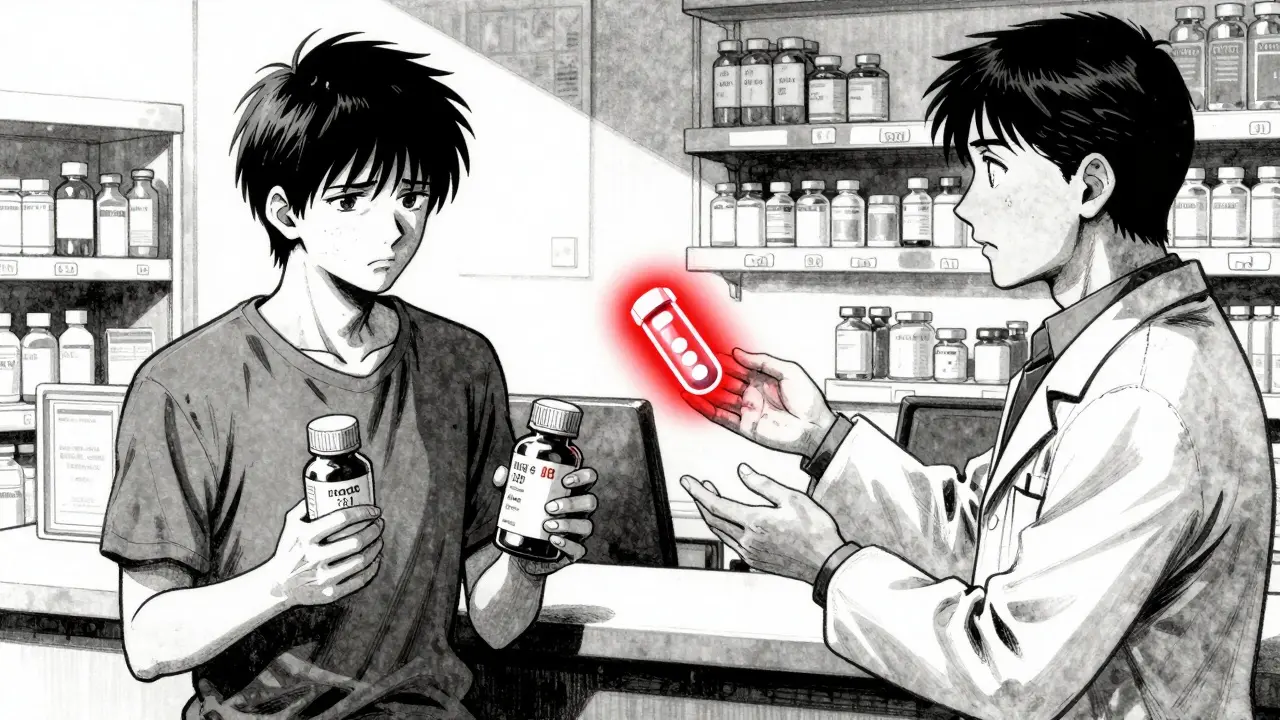
When you pick up a prescription, you might assume all generics are created equal. But that’s not true. Some generic drugs cost way more than others-even when they do the exact same thing. And here’s the real kicker: sometimes, buying two separate generics costs more than one combination pill that does the same job. The savings aren’t just small. They’re massive. In some cases, switching to the right generic combination can cut your bill by more than 60%.
Why Some Generics Are Way More Expensive Than Others
Not all generics are cheap. A 2022 study of over 1,000 generic drugs in Colorado found that some generics were 15.6 times more expensive than other drugs with the same clinical effect. That’s not a typo. One pill might cost $7.50, while another with the same active ingredient, same dose, same purpose, costs just 48 cents. The difference? Market competition. When multiple companies make the same generic, prices drop fast. But if only one or two companies are selling it, they can keep prices high. That’s why Crestor’s generic dropped from $5.78 per pill to just 8 cents. Once enough manufacturers entered the market, the price collapsed. The same thing happened with Prilosec-down from $3.31 to 5 cents. The FDA says this isn’t rare. In markets with three or more generic makers, prices fall about 20% within three years. With more competition, the drop gets steeper.Combination Drugs: One Pill, Two Drugs, Big Savings
Combination drugs-pills that mix two medications into one-are often cheaper than buying each drug separately. Take asthma inhalers. Before generics arrived, Advair Diskus cost around $334 per inhaler. Then Wixela Inhub, the generic version, hit the market. It cost $115. That’s a 65.6% drop. But here’s the twist: Wixela Inhub isn’t just a generic of Advair. It’s a combination of two drugs-fluticasone and salmeterol-in one device. If you bought those two drugs as separate generics, you’d likely pay more than $115. Sometimes much more. A 2022 study found that switching from brand-name combination drugs to generic versions saved $941 million in the U.S. in just one year. That’s not a guess. That’s real data from real prescriptions. The same pattern shows up in heart medications, diabetes treatments, and even arthritis drugs. The 2023 Rheumatology Advisor reported that in 2016 alone, switching from brand-name combinations to generics saved $925 million.Therapeutic Substitution: The Hidden Savings Trick
Sometimes, the best savings don’t come from switching to another generic. They come from switching to a different drug entirely-one that’s not even in the same pill, but does the same job. This is called therapeutic substitution. For example, if you’re paying $50 a month for a high-cost generic blood pressure pill, your doctor might be able to switch you to another generic that’s been on the market longer, costs $7, and works just as well. The JAMA Network Open study found that 62% of the high-cost generics they flagged could be replaced with a lower-cost version of the same drug-just a different strength or form. A pill that costs $10 might be replaced with a tablet that costs 50 cents, even though they contain the same active ingredient. That’s a 95% drop. Other times, switching from a liquid to a tablet, or from a daily dose to a once-a-week version, cuts costs dramatically. The key? It’s not always about the name on the label. It’s about what’s inside-and how many companies are making it.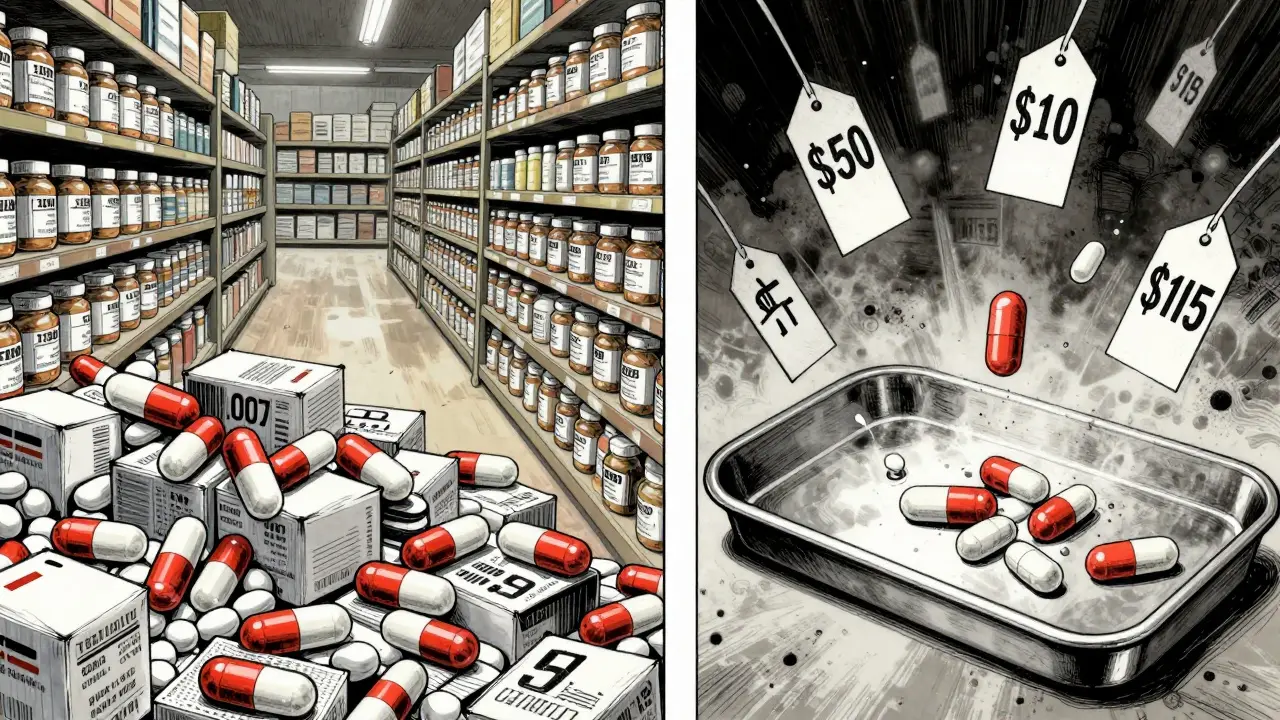
How Much Can You Really Save?
Let’s look at real numbers. The Association for Accessible Medicines says generic drugs saved Americans $89.5 billion in 2023. That’s from just the top 10 generics. On average, generics cost 79% less than brand-name drugs. But that’s just the baseline. The real savings come from smart choices. For uninsured patients, the savings are even starker. One study found that people without insurance saved an average of $6.08 per prescription when they switched to a lower-cost generic or combination drug. For those on Medicare, it was $4.64. Private insurance patients saved $3.69. Even with insurance, out-of-pocket costs can drop by $10 or more per fill-especially if you’re on a high-deductible plan. And here’s something most people don’t realize: 28.4% of all generic substitutions saved more than $10 per prescription. That’s not a one-time thing. That’s every month. Over a year, that’s $120 to $360 in your pocket.Why Aren’t More People Doing This?
If the savings are this big, why aren’t doctors and pharmacists switching people over all the time? Two big reasons: lack of awareness and system barriers. Many prescribers don’t know which generics are overpriced. Pharmacists can substitute, but only if the prescription allows it-and not all do. Some insurance plans lock you into one brand or one formulation. Others require prior authorization just to switch. And sometimes, the cheaper option isn’t even stocked at your local pharmacy. The FDA’s Orange Book lists which generics are therapeutically equivalent to brand-name drugs. But it doesn’t tell you which ones are overpriced. That’s where plan sponsors and pharmacy benefit managers (PBMs) come in. They’re supposed to monitor this. But many don’t. A Johns Hopkins expert said: “Plan sponsors should be aware that some generics are associated with higher spending and should periodically review the specific products driving their generic drug spending.” That’s the missing piece.
What You Can Do Right Now
You don’t need a degree in pharmacology to save money on your meds. Here’s how to start:- Ask your pharmacist: “Is there a cheaper generic version of this drug?” Don’t assume your current one is the cheapest.
- Ask your doctor: “Is there another drug that works the same way but costs less?”
- Check if your meds are part of a combination. If you’re taking two separate pills, ask if a combo version exists.
- Use tools like GoodRx or the Mark Cuban Cost Plus Drug Company to compare prices across pharmacies.
- Ask your insurance plan: “Can you review my top generic prescriptions? Are there lower-cost therapeutic alternatives?”
The Bigger Picture: Why This Matters
This isn’t just about saving a few bucks on your co-pay. It’s about making healthcare sustainable. Generic drugs make up 90% of all prescriptions in the U.S., but only 23% of total drug spending. That’s the power of competition. But that power is under threat. Generic drug shortages have more than doubled since 2012. A handful of companies control 40% of the market. If those companies stop making a drug-or raise prices-there’s no backup. The FDA approved over 700 generic applications in 2023, but that’s down from the peak of 843 in 2017. Fewer approvals mean less competition. Less competition means higher prices. We’re at risk of losing the very system that keeps medications affordable. The solution? More transparency. More competition. And more people asking the right questions.If you’re paying more than $50 a month for a generic drug, you’re probably overpaying. There’s almost always a cheaper option. You just have to look for it.
Are generic combination drugs as effective as brand-name ones?
Yes. The FDA requires generic combination drugs to have the same active ingredients, strength, dosage form, and route of administration as the brand-name version. They must also meet the same strict standards for quality, safety, and effectiveness. Thousands of patients use generic combinations every day with the same results as the brand-name drugs.
Why do some generics cost more than others?
It comes down to competition. If only one or two companies make a generic, they can keep prices high. But when five or more companies start making it, prices drop fast. Some generics stay expensive because manufacturers delay entry, or because patents and legal tactics block competitors. That’s why a drug like Crestor’s generic dropped from $5.78 to 8 cents-it had dozens of makers competing.
Can I ask my pharmacist to switch me to a cheaper generic?
Yes, but it depends on your prescription. If your doctor wrote “dispense as written” or “no substitutions,” your pharmacist can’t switch it. Otherwise, they can offer a therapeutically equivalent generic. Always ask. Many pharmacies will automatically suggest a lower-cost option if one exists.
Do combination generics always cost less than buying two separate generics?
Not always, but often. Combination pills reduce packaging, distribution, and administrative costs. In many cases, they’re priced lower than the sum of two separate generics. For example, Wixela Inhub (a generic combination inhaler) costs $115, while buying the two separate generic components could cost $150 or more. Always compare prices-your pharmacy can help you calculate the difference.
What should I do if my insurance won’t cover a cheaper generic?
Ask your doctor to file a prior authorization request, explaining why the cheaper option is medically appropriate. You can also ask your insurer for a formulary exception. Many plans will approve it if you show that the alternative is clinically equivalent and significantly cheaper. Sometimes, simply calling your insurer and asking for a price match works.
Antwonette Robinson
February 5, 2026 AT 11:35caroline hernandez
February 5, 2026 AT 21:39Sherman Lee
February 7, 2026 AT 12:11Coy Huffman
February 7, 2026 AT 13:10Kunal Kaushik
February 7, 2026 AT 16:01Mandy Vodak-Marotta
February 8, 2026 AT 06:04Harriot Rockey
February 8, 2026 AT 14:02Demetria Morris
February 9, 2026 AT 05:34Geri Rogers
February 9, 2026 AT 08:27Samuel Bradway
February 10, 2026 AT 02:05Jamillah Rodriguez
February 10, 2026 AT 20:19Susheel Sharma
February 11, 2026 AT 08:02Janice Williams
February 12, 2026 AT 13:12Roshan Gudhe
February 13, 2026 AT 23:45Rachel Kipps
February 15, 2026 AT 09:11