Hand Hygiene: Evidence-Based Infection Prevention at Home
 May, 18 2026
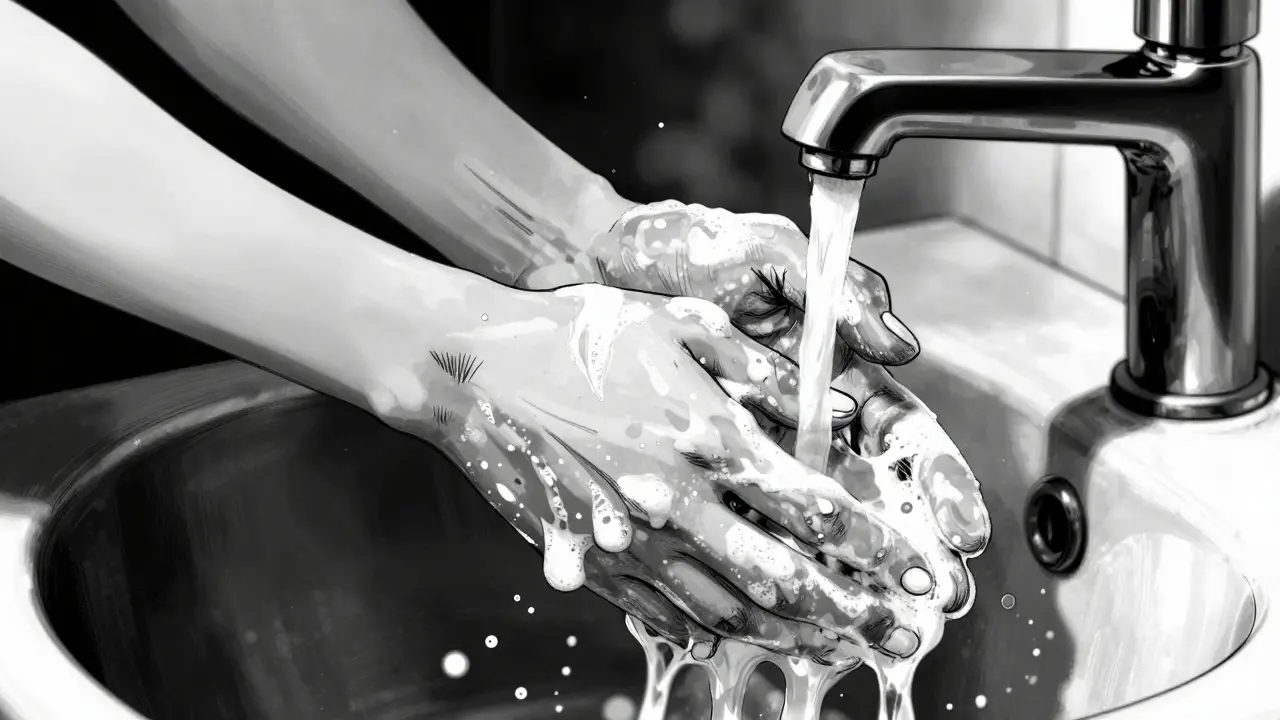
You think you know how to wash your hands. You’ve done it since you were a toddler. But if you’re like most people, you’re probably doing it wrong-and missing the spots where germs hide the most. The difference between a quick rinse and proper hand hygiene isn’t just about cleanliness; it’s the single most effective way to stop infections in your home. Proper technique can cut respiratory illnesses by up to 21% and gastrointestinal bugs by 31%. That is a massive impact for something that costs less than $1.27 per person annually.
The Science Behind Clean Hands
It wasn’t always obvious that washing hands saved lives. In 1847, Hungarian physician Ignaz Semmelweis proved that chlorine handwashing dropped maternal death rates from fever from 18% down to 1%. Today, we rely on guidelines set by the World Health Organization (WHO) and adapted for homes by agencies like the CDC. The goal is simple: interrupt the transmission routes of pathogens like influenza, norovirus, and SARS-CoV-2. For example, household secondary attack rates for norovirus sit between 16% and 28%, but consistent hand hygiene slashes those numbers significantly.
Why does it work? Soap molecules have one end that loves water and another that loves oil. Germs are wrapped in oily membranes. When you scrub with soap, you lift those microbes off your skin so they rinse away. Alcohol-based sanitizers work differently-they denature proteins and dissolve lipid membranes, killing enveloped viruses like flu rapidly. Understanding this mechanism helps you choose the right tool for the job.
Soap and Water vs. Hand Sanitizer
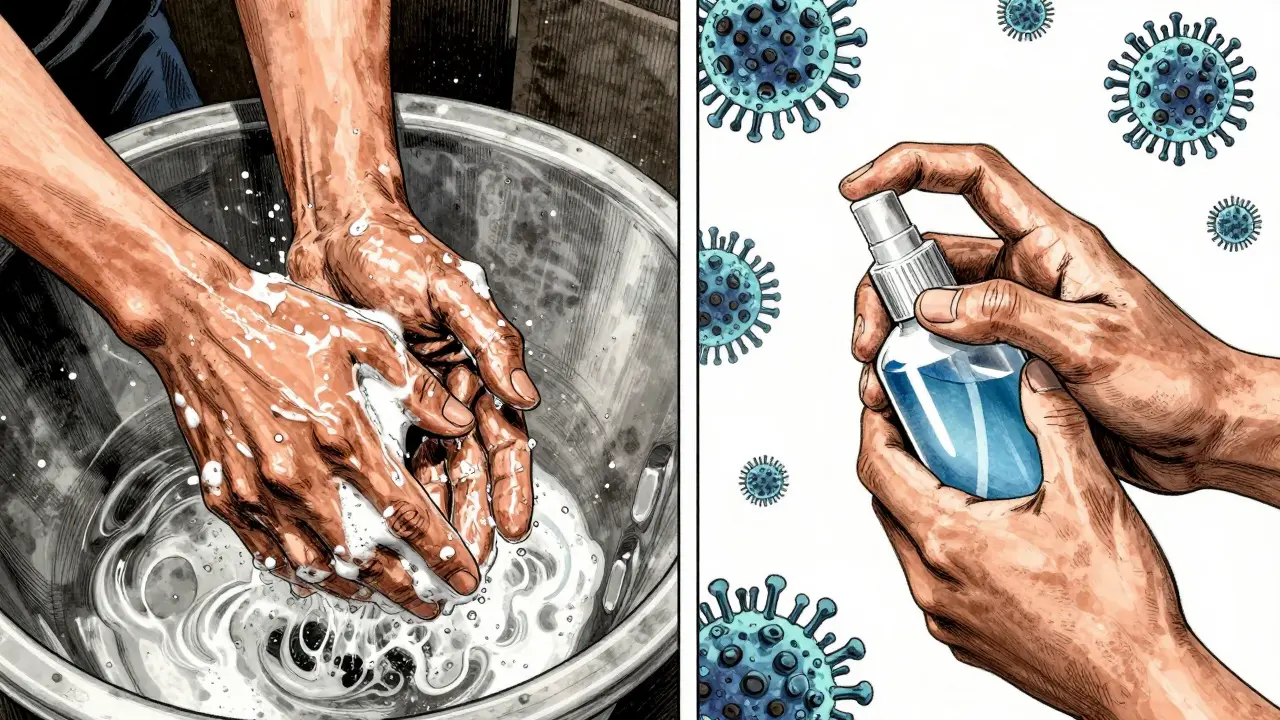
Not all cleaning methods are equal. Many households treat them as interchangeable, but evidence shows distinct advantages for each. Soap and water is superior when hands are visibly dirty or greasy. It physically removes soil and spores like C. difficile, which alcohol cannot kill. On the other hand, alcohol-based sanitizers are faster and more effective against certain enveloped viruses if your hands are clean.
| Feature | Soap and Water | Alcohol-Based Sanitizer |
|---|---|---|
| Best Used When | Hands are visibly soiled or after bathroom use | Hands are clean and no sink is available |
| Effectiveness vs. Norovirus | High (physical removal) | Low (ineffective against non-enveloped viruses) |
| Effectiveness vs. Flu Virus | High | Very High (99.99% reduction in 15 seconds) |
| Required Duration | 20-30 seconds total | Minimum 20 seconds until dry |
| Skin Impact | Mild drying if not moisturized | Potential irritation with frequent use |
A critical rule: sanitizers fail completely if your hands are dirty. The CDC notes effectiveness drops to 12% in these cases. Also, check the label. The FDA requires sanitizers to contain 60-95% ethanol or isopropanol. Anything less won’t kill germs effectively. Avoid antibacterial soaps containing triclosan-the FDA banned these in consumer products because they offer no extra benefit over plain soap and may contribute to resistance.
The Correct Technique: Step-by-Step
Most people miss key areas. An NHS audit found only 49% of households cover all hand surfaces properly. Fingertips are missed 68% of the time, thumbs 57%, and spaces between fingers 43%. To fix this, follow the WHO-recommended six-step technique.
- Palm to palm: Rub palms together with interlaced fingers.
- Back of hands: Place right palm over left back of hand with interlaced fingers, then switch.
- Between fingers: Rub palm to palm with fingers interlaced.
- Back of fingers: Clasp left thumb with right hand and rub rotationally, then switch.
- Fingertips: Rub rotatingly the left fingertips on the palm of the right hand, then switch.
- Wrists: Rub circularly on wrists and move up the arm if needed.
This entire process should take 20-30 seconds. Spend 15-20 seconds actively rubbing. Use enough soap-about 3-5 mL, roughly the size of a nickel or quarter. Water temperature matters less than you think. While warm water (100-108°F) feels better, studies show cold water removes pathogens just as well. The key is friction and duration, not heat. Dry thoroughly with a single-use paper towel. Wet hands spread bacteria 76% more than dry ones.
Common Mistakes That Sabotage Protection
Even if you know the steps, habits get in the way. One major error is "faucet recontamination." After washing, 89% of people touch the contaminated faucet handle with their clean hands, undoing the work. Use a paper towel to turn off the tap and open the door. Another mistake is stopping too early. A 2021 study using UV light showed only 37% of hands were fully covered by soap during typical washes. Rushing reduces effectiveness by 58%.
Children present unique challenges. Their attention spans average just 8.2 seconds for washing. Visual aids, like posters showing the six steps, can boost compliance from 28% to 63%. Timers also help. Apps like "Clean Hands Timer" or simple sand timers keep families on track. If your kids complain about dry skin, apply moisturizer immediately after drying. This reduces dermatitis risk by 62% and keeps them willing to wash often.
When to Wash: Critical Moments at Home
You don’t need to wash constantly, but timing matters. Focus on high-risk moments. Wash upon entering your home to remove community-acquired pathogens. Always wash before preparing food, which cuts foodborne illness risk by 78%. Wash after using the bathroom to prevent fecal-oral transmission, and after handling pets to avoid zoonotic infections. These four moments create a strong barrier against the most common household threats.
For children, link handwashing to existing routines-a technique called "habit stacking." Have them wash right after coming inside from play or before sitting down for snacks. Consistency builds muscle memory. It typically takes 21 days of practice to make proper technique automatic. Don’t give up if it feels awkward at first.

Tools and Products That Help
You don’t need expensive gadgets, but some tools improve compliance. Foot-pedal faucets ($45-$120 retrofit cost) eliminate faucet recontamination entirely. Smart dispensers with IoT tracking, like the SoapWall system, have reduced family compliance gaps by 33% in pilot studies. For everyday use, stick to plain soap and quality sanitizer. Look for brands that clearly state alcohol percentages. Avoid products making unsubstantiated "antibacterial" claims, as these are often misleading and unnecessary.
If you live in an area with limited water access, consider low-tech solutions like the "tippy tap" station, which uses gravity to dispense small amounts of water while reducing usage by 90%. These innovations ensure everyone can maintain hygiene regardless of infrastructure.
Long-Term Benefits and Public Health Impact
Adopting evidence-based hand hygiene isn’t just about avoiding a cold. Globally, proper handwashing prevents an estimated 1.8 million child deaths annually from diarrheal diseases. In the U.S., it yields $16 in healthcare savings for every $1.27 spent. As public health initiatives expand, such as the CDC’s "Life is Better with Clean Hands" campaign, home compliance has risen from 66% to 79% since 2019. By mastering these techniques, you protect not just yourself, but your entire community.
How long should I wash my hands?
You should wash your hands for 20-30 seconds total. Spend at least 15-20 seconds actively rubbing all surfaces of your hands. Singing "Happy Birthday" twice is a common timer, though many find it too short. Aim for thorough coverage rather than rushing.
Is hot water necessary for killing germs?
No, hot water is not necessary. Studies show cold water (60°F/15°C) removes pathogens just as effectively as warm water. Warm water (100-108°F) is recommended primarily for comfort and to encourage longer washing times, but temperature itself does not kill germs. Friction and soap do.
Can I use hand sanitizer instead of soap?
Only if your hands are not visibly dirty. Hand sanitizer is less effective against norovirus and C. difficile spores. It also fails if hands are greasy or soiled. Use soap and water when possible, especially after bathroom use or before eating. Sanitizer is best for quick cleaning when sinks aren’t available.
What percentage of alcohol should hand sanitizer have?
Look for sanitizers with 60-95% ethanol or isopropanol. The FDA specifies that concentrations below 60% are not effective at killing germs. Optimal efficacy for rapid microbial kill occurs between 60-80%. Always check the label to ensure the product meets these standards.
Why shouldn't I use antibacterial soap?
Antibacterial soaps containing ingredients like triclosan offer no additional benefit over plain soap for home use. The FDA banned 19 antibacterial ingredients in consumer soaps due to lack of evidence and potential risks, including antimicrobial resistance. Plain soap is safer and equally effective.