Future of Digital Pharmacy: How Generic Medication Delivery Will Change by 2027
 Nov, 23 2025
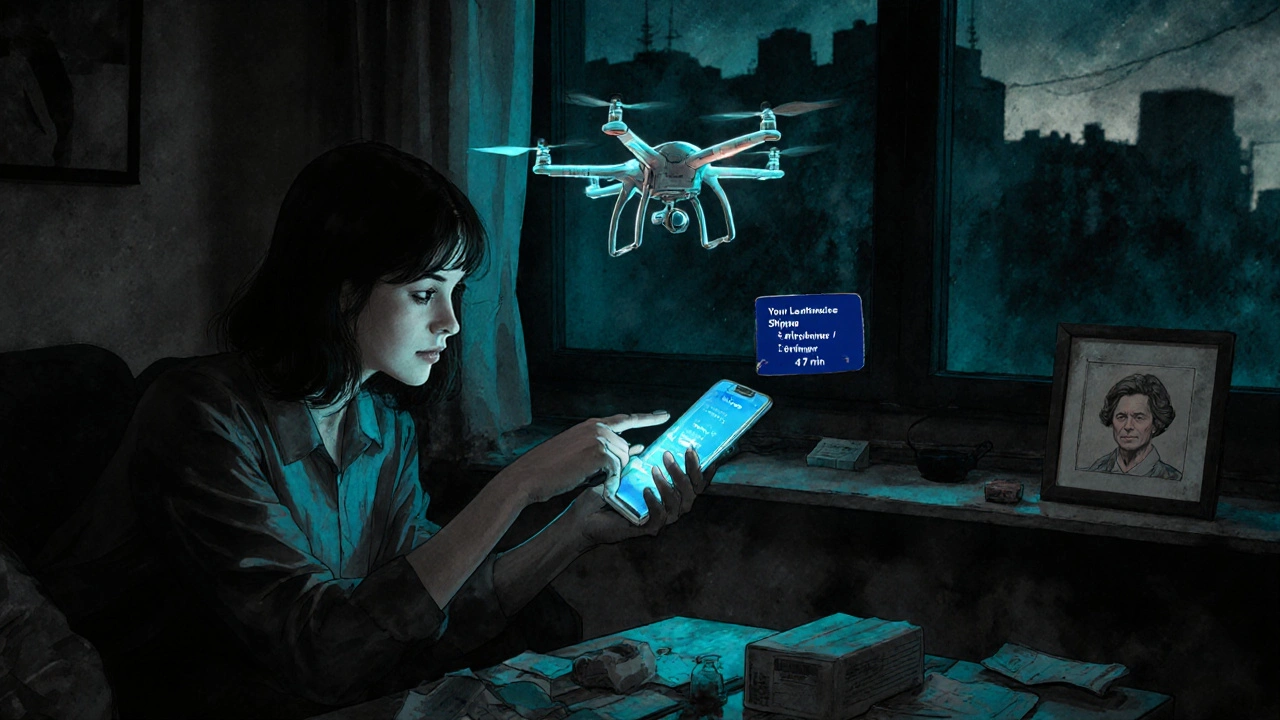
By 2027, getting your generic medications won’t mean driving to a pharmacy, waiting in line, and hoping the pharmacist remembers your name. It’ll mean tapping an app, getting a notification that your pills are on the way, and knowing exactly how much you saved - all without leaving your couch. This isn’t science fiction. It’s already happening, and it’s accelerating fast.
How digital pharmacy is rewriting the rules for generic meds
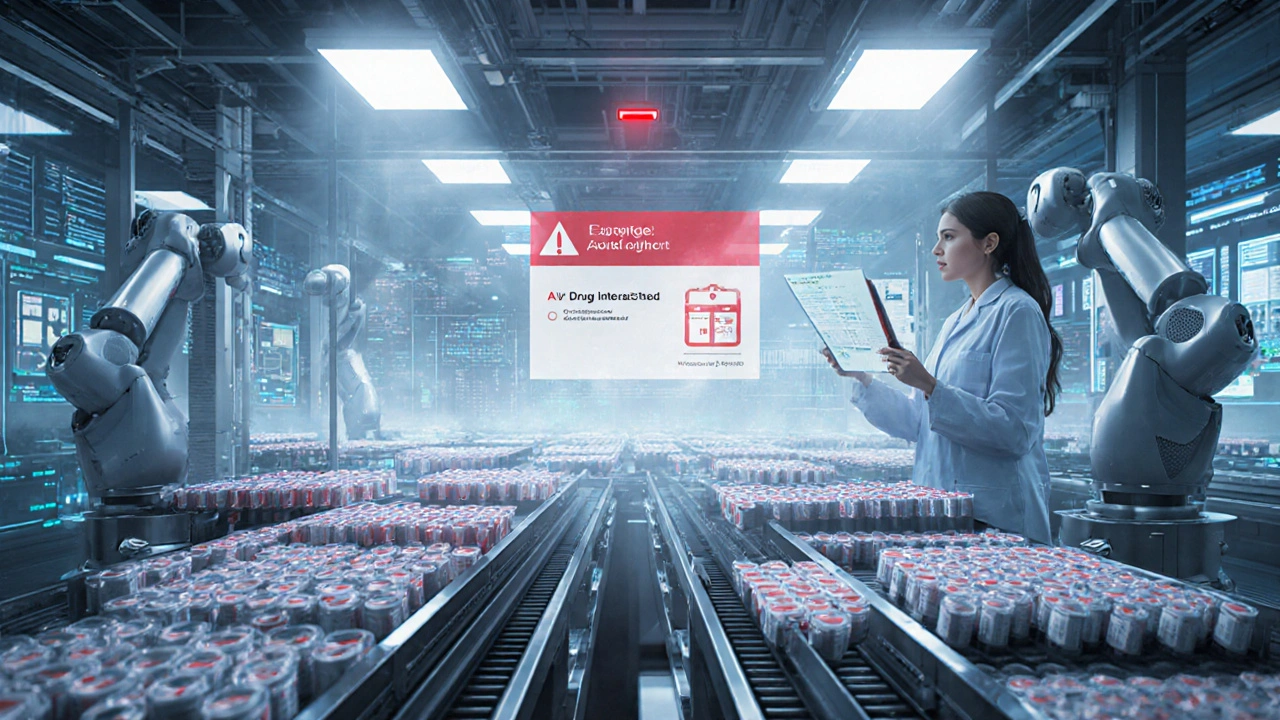
Right now, about 90% of all prescriptions filled in the U.S. are for generic drugs. They’re cheaper, just as effective, and often the only option for people on tight budgets. But getting them has always been messy: insurance delays, pharmacy stockouts, long wait times, and confusing substitutions. Digital pharmacy fixes this by connecting telehealth visits directly to automated fulfillment centers. Companies like Truepill now process over 10,000 prescriptions a day using AI to match patient needs with the right generic version - no human error, no delays.
The system works like this: you talk to a doctor online, they send the prescription digitally to a pharmacy network, and an algorithm checks your insurance, verifies your medical history, picks the best generic match, and ships it - often within five hours. Traditional pharmacies take 48 hours on average. Digital systems cut that to 5.2 hours. That’s not just faster. It’s life-changing for someone with chronic high blood pressure or diabetes who can’t afford to wait.
AI isn’t just helping - it’s deciding what meds you get
Artificial intelligence doesn’t just track inventory anymore. It’s making clinical decisions. By analyzing your past prescriptions, lab results, and even local disease trends, AI predicts which generic version will work best for you. One system, CVS Health’s SmartDUR™, launched in late 2024, uses AI to assess therapeutic equivalence between generics - something even experienced pharmacists sometimes miss. It checks if a generic from one manufacturer might interact differently with your other meds than another, even if they’re labeled the same.
That’s powerful. But it’s also risky. In 2023, an FDA safety alert reported 217 patients got incorrect levothyroxine doses because an AI system auto-substituted a generic without checking thyroid function history. Dr. Michael Cohen of ISMP warns: “Automation without human oversight increases the chance of substitution errors.” That’s why top digital platforms now require a pharmacist to review every AI recommendation before it’s shipped. The balance? Speed vs. safety. And right now, the industry is still figuring out where to draw the line.
Who’s using it - and who’s being left behind
Younger patients are all in. About 68% of people aged 18 to 44 use digital pharmacy services for their generics. They like the price transparency, the same-day delivery, and the ability to reorder with one tap. On Reddit, users like “PharmaPatient87” report saving $83 a month on blood pressure meds. GoodRx surveys show 78% of users say they take their meds more consistently since switching to digital delivery.
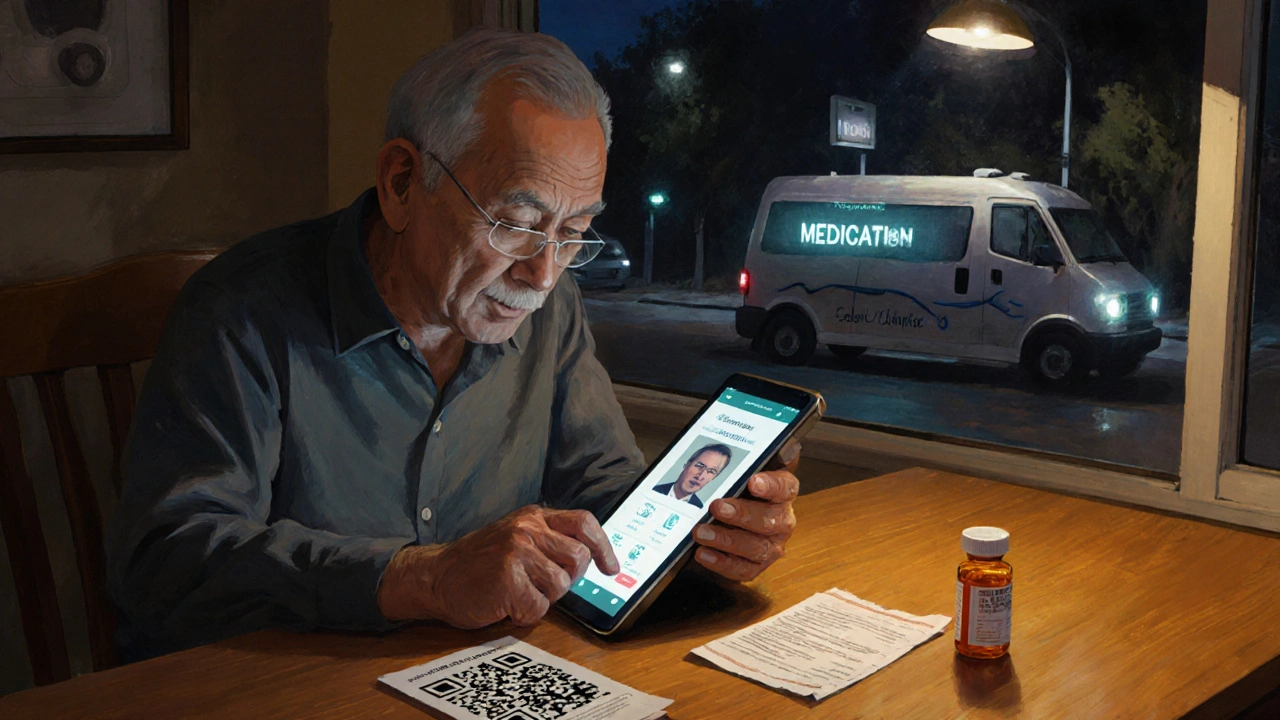
But for seniors? It’s a different story. Only 23% of people over 65 use these services regularly. Why? Too many steps. Too many apps. Too little help. AARP’s 2023 survey found 24% of seniors struggle with digital interfaces. And when insurance doesn’t cover the AI-selected generic, they’re stuck with a bill they didn’t expect. One in three negative reviews mention “insurance coordination issues” - a problem that’s still not fully solved.
That’s why the biggest digital pharmacy players are adding phone support hotlines, simplified apps with big buttons, and even mailers with QR codes that link to voice-assisted ordering. It’s not enough yet, but it’s moving in the right direction.
The cost savings are real - if you know how to use them
Generic drugs already cost 80-85% less than brand names. Digital delivery cuts that even further. GoodRx’s 2024 report shows patients save an average of 22.7% more on generics through digital platforms than at local pharmacies. Add in the $17.30 you save per prescription by skipping the trip to the store - especially in rural areas where pharmacies are 50 miles away - and the numbers add up fast.
But savings aren’t automatic. You have to know which platform to use. Amazon Pharmacy, CVS, and Blink Health all offer different pricing. Some have flat monthly fees. Others charge per delivery. And not all generics are listed equally. One study found that a common statin was $3 cheaper on Blink Health but $12 more on Amazon Pharmacy for the same dosage. There’s no central price board. You’ve got to compare.
Pro tip: Always check your insurance’s preferred generic list before ordering. Some digital pharmacies auto-substitute based on cost, not coverage. That’s how people end up with a $150 bill for a drug their insurance won’t touch.
Why your doctor’s EHR system matters more than you think
Digital pharmacy doesn’t work in a vacuum. It needs to talk to your doctor’s electronic health record (EHR). If your doctor uses Epic or Cerner - which most do - and the pharmacy platform is integrated, your medication history, allergies, and lab results flow in automatically. That means fewer errors and faster approvals.
But here’s the catch: only 41% of health systems have fully connected their generic substitution algorithms to their clinical workflows. That means your doctor might still be prescribing by brand name, and the digital pharmacy might not know to swap it out. You end up paying more. Or worse - you get the wrong generic because the system didn’t see your kidney function test from last month.
Ask your doctor: “Is my prescription being sent through an integrated digital pharmacy system?” If they say no, ask if they can switch. It’s not just convenience. It’s safety.
The future: personalization, automation, and a new kind of pharmacist
By 2026, 74% of digital pharmacy platforms will use pharmacogenomic data - your DNA - to pick the best generic version for you. Why? Because two people can have the same condition, take the same generic drug, and have wildly different results based on how their body metabolizes it. A drug that works for one person might cause side effects in another. AI can now predict that.
And the role of the pharmacist? It’s changing. No longer just a person behind the counter counting pills. They’re becoming clinical data analysts. They’re monitoring AI recommendations, flagging risks, and stepping in when the algorithm misses something. The University of Florida is already training new pharmacists to do this. By 2025, 92% of prior authorizations for generics will be handled by AI - but a human will still be the final gatekeeper.
Delivery networks are getting smarter too. Drones are being tested in rural areas. Autonomous delivery vans are being piloted in cities. And smart pill dispensers - devices that beep when it’s time to take your meds and alert your pharmacist if you skip a dose - are now linked to digital pharmacy platforms. Studies show they improve adherence by 28%.
The risks you can’t ignore
With great speed comes great vulnerability. In 2023, there were 378 data breaches at pharmacies, affecting over 14 million people. Digital platforms made up 63% of those. Your medical history, insurance details, and prescription records are now online - and hackers know it.
Then there’s reimbursement. Medicare Part D cut mail-order pharmacy reimbursements by 8.2% in 2024. That means some digital pharmacies might start charging more - or dropping certain generics altogether. If you’re on Medicare, watch your statements closely. What’s cheap today might not be tomorrow.
And let’s not forget regulation. Twenty-eight states still require the pharmacist handling your order to be licensed in your state. That’s a nightmare for nationwide platforms. Some are setting up regional fulfillment centers to comply. Others are pushing for federal standards. It’s a mess - and it’s slowing down expansion.
What you can do today
You don’t need to wait for 2027 to benefit. Start now:
- Check if your current pharmacy offers a digital delivery option. Most do.
- Compare prices on GoodRx, Blink Health, and Amazon Pharmacy for your top three generics.
- Ask your doctor if your prescription is being sent electronically to an integrated system.
- Set up alerts for when your refill is ready - don’t wait until you’re out.
- If you’re over 65, ask a family member to help you set up the app. Many platforms offer free onboarding calls.
The future of generic medication delivery isn’t about replacing pharmacists. It’s about empowering them - and you - with better tools. It’s about saving time, money, and maybe even lives. But only if you know how to use it.
Are digital pharmacies safe for generic medications?
Yes, when used correctly. Digital pharmacies use AI and human pharmacists to ensure the right generic is selected. Systems like CVS Health’s SmartDUR™ check for drug interactions, allergies, and therapeutic equivalence before shipping. However, errors have happened - like the 2023 levothyroxine dosing incident - so always review your order before accepting delivery. If something looks off, call the pharmacy.
Can I use digital pharmacy if I’m on Medicare?
Absolutely. Most digital pharmacies accept Medicare Part D. But because CMS reduced mail-order reimbursement rates by 8.2% in 2024, some platforms may charge more or limit which generics they offer. Always confirm your copay before ordering. Use the Medicare Plan Finder tool to see which digital pharmacies are in-network for your plan.
Why does my digital pharmacy sometimes switch my generic?
Generics with the same active ingredient can come from different manufacturers and cost different amounts. Digital platforms often auto-substitute to the cheapest option covered by your insurance. But not all generics are identical in how they’re absorbed. If you notice side effects after a switch, contact your pharmacist. You can request the original brand or a specific generic - most platforms allow it.
How do I know if a digital pharmacy is legitimate?
Look for VIPPS certification (Verified Internet Pharmacy Practice Sites) from the National Association of Boards of Pharmacy. Avoid sites that don’t require a prescription or offer “miracle” discounts. Legit platforms like CVS, Amazon Pharmacy, and Ro are licensed in all 50 states. Check their website for a physical address and a licensed pharmacist you can call.
Will AI replace pharmacists in digital pharmacies?
No. AI handles routine tasks like prior authorizations and inventory, but pharmacists are still the final safety check. In fact, the demand for pharmacists with tech skills is growing. By 2025, most digital platforms will require a pharmacist to review every AI-generated recommendation. The role is shifting from pill counter to clinical advisor - not disappearing.
Can I get my generics delivered to rural areas?
Yes, but delivery times are longer. In rural areas, average delivery is 38 hours compared to 12 hours in cities. Some platforms are testing drones and autonomous vehicles to improve this. If you live far from a pharmacy, consider signing up for a 90-day supply through mail-order. Many digital pharmacies offer free shipping and bulk discounts for chronic condition meds.
Nikki C
November 25, 2025 AT 03:00It's wild how fast this is moving. I got my blood pressure meds delivered in 4 hours last week. No line. No waiting. Just a notification and a box on my porch. Feels like the future already happened and I didn't even notice.
Still think we need better safeguards though. One wrong substitution and someone could end up in the ER.
Alex Dubrovin
November 26, 2025 AT 03:48just ordered my statin through blink health. saved 60 bucks this month. no joke. life is easier now.
also no more driving 20 mins to the pharmacy in the rain. thank god.
Jacob McConaghy
November 26, 2025 AT 04:56People act like this is some radical shift but it’s just evolution. We stopped going to the post office to send letters. We stopped going to Blockbuster for movies. Now we’re stopping going to the pharmacy for generics. It’s not magic. It’s logistics.
The real issue isn’t the tech-it’s that we still treat healthcare like it’s a privilege instead of a right. If everyone had access to this without insurance hoops, we’d be talking about how great it is, not how risky.
Also-yes, AI makes mistakes. But so do humans. And humans are way slower. We’re trading one kind of risk for a different kind. That’s not bad. That’s progress.
Natashia Luu
November 27, 2025 AT 06:55Let me be clear: this is not progress. It is corporate consolidation disguised as convenience. Your data is being harvested. Your prescriptions are being optimized for profit, not health. And the moment your insurance denies coverage, you’re left with a bill you didn’t ask for and no human to blame.
Who approved this? Who signed off on letting algorithms decide what medicine you get? This isn’t innovation. It’s negligence dressed in a sleek app interface.
akhilesh jha
November 28, 2025 AT 06:04in india, we still struggle to get basic generics even in cities. sometimes the local pharmacy runs out of metformin for weeks. this system sounds amazing. but i wonder if it will ever reach places where internet is unstable or phones are old.
also, who trains the ai on indian genetic variations? most data is from western populations.
Jeff Hicken
November 30, 2025 AT 03:31so i got my levothyroxine switched last month without tellin me. felt weird. dizzy. went to doc. turns out the new generic had a diff filler. ai picked it cuz it was cheaper. now i have to pay 150 to switch back.
thx automation.
also why do all these apps look like they were designed by a 12 year old on a phone?
Vineeta Puri
November 30, 2025 AT 18:40As someone who works with elderly patients daily, I can confirm that digital pharmacy platforms have the potential to transform lives-but only if they are designed with dignity in mind. Many seniors are not technophobic; they are interface-phobic. A single button labeled "Reorder" with a voice-assisted option can mean the difference between adherence and hospitalization.
It is not enough to offer a mobile app. We must offer a human bridge. Training family members, providing printed QR codes, and ensuring phone support is staffed by empathetic, trained personnel-not bots-is not an optional feature. It is a moral imperative.
Victoria Stanley
December 1, 2025 AT 01:24Just wanted to say I’ve been using Amazon Pharmacy for my diabetes meds for a year now. Saved over $1,200 last year. The app is simple, the delivery is always on time, and the pharmacist called me last month because my new generic had a different inactive ingredient. She asked if I’d noticed any changes. That’s the kind of care you don’t get at a chain pharmacy.
Also-yes, the price varies between platforms. Always check GoodRx first. It’s free. And it shows you every option.
Pro tip: Set up refill reminders. Even if you’re busy, it’s one tap to approve. Life’s too short to run out of meds.
Andy Louis-Charles
December 2, 2025 AT 03:07AI is not replacing pharmacists. It’s making them superheroes. 🦸♂️
My cousin’s a pharmacist at a digital hub. She used to count pills 8 hours a day. Now she reviews AI flags, calls patients who missed doses, and consults on drug interactions. She’s happier. Patients are safer. And she still gets to wear cool scrubs.
Also-drones delivering insulin to mountain towns? Yes please. I’d take a drone over a 4-hour drive any day.
Douglas cardoza
December 4, 2025 AT 00:49my mom uses the app. big buttons. voice thing. she says it’s like talking to her phone. no stress.
she got her thyroid med delivered last week. said it felt like magic.
also she didn’t have to get dressed. that’s the real win.
Adam Hainsfurther
December 5, 2025 AT 17:14One thing nobody talks about: EHR integration. My doctor uses Epic. My pharmacy uses a different system. They don’t talk. So I got a generic that conflicted with my kidney meds because the system didn’t see my last creatinine result.
It was a fluke. But it shouldn’t be a fluke. We need interoperability. Not just for convenience. For safety.
Also-why do so many platforms still make you re-enter your allergies every time? It’s 2027. We have databases.
Rachael Gallagher
December 6, 2025 AT 15:11They’re not giving you cheaper meds. They’re giving you cheaper lives. You think this is freedom? It’s surveillance with a delivery receipt.
They track your habits. Your refills. Your blood pressure trends. Then they sell it. Then they raise your rates. Then they drop your meds if you’re "not profitable".
Wake up. This isn’t innovation. It’s capitalism with a pill bottle.
steven patiño palacio
December 6, 2025 AT 16:12It’s important to recognize that the shift toward digital pharmacy isn’t just technological-it’s cultural. We’ve normalized convenience in every other aspect of life: food, clothing, entertainment. Why should healthcare be exempt?
Yes, there are risks. But the risk of non-adherence due to inconvenient access is far greater. Studies show that patients who wait more than 48 hours for a refill are 40% more likely to stop taking their medication.
The solution isn’t to reject automation. It’s to demand better automation-with transparency, accountability, and human oversight built in from day one.
stephanie Hill
December 8, 2025 AT 13:46Did you know the AI that picks your generic is trained on data from pharmaceutical companies? That’s right. The same companies that make the brand-name drugs. So when it "chooses" the cheapest generic, is it really choosing the best one-or the one their partner manufactures?
And what about the 2023 levothyroxine incident? They blamed the algorithm. But who coded it? Who tested it? Who signed the paperwork?
I don’t trust machines that don’t have to answer for their mistakes.
And don’t even get me started on the drones. They’re not for delivery. They’re for surveillance. You think they’re just flying pills? They’re mapping your neighborhood. Tracking your routines. Recording your windows.
They’re coming for your medicine. And then they’re coming for your data.
Ask yourself: who benefits? Not you. Not your grandma. Not even the pharmacist. The shareholders.
Akash Chopda
December 9, 2025 AT 23:43ai picks your pills. big pharma owns the ai. big pharma owns the data. big pharma owns your health. this is not innovation. this is control. they want you dependent. they want you quiet. they want you to think this is normal.
they are not your friends. they are your landlords.
and they are watching.