Emergency Treatment for Antihistamine Overdose: First Steps You Must Take
 Dec, 28 2025
Antihistamine Overdose Risk Calculator
This tool helps you determine if an antihistamine ingestion requires immediate medical attention based on the article's guidelines. Always call poison control immediately if you suspect an overdose.
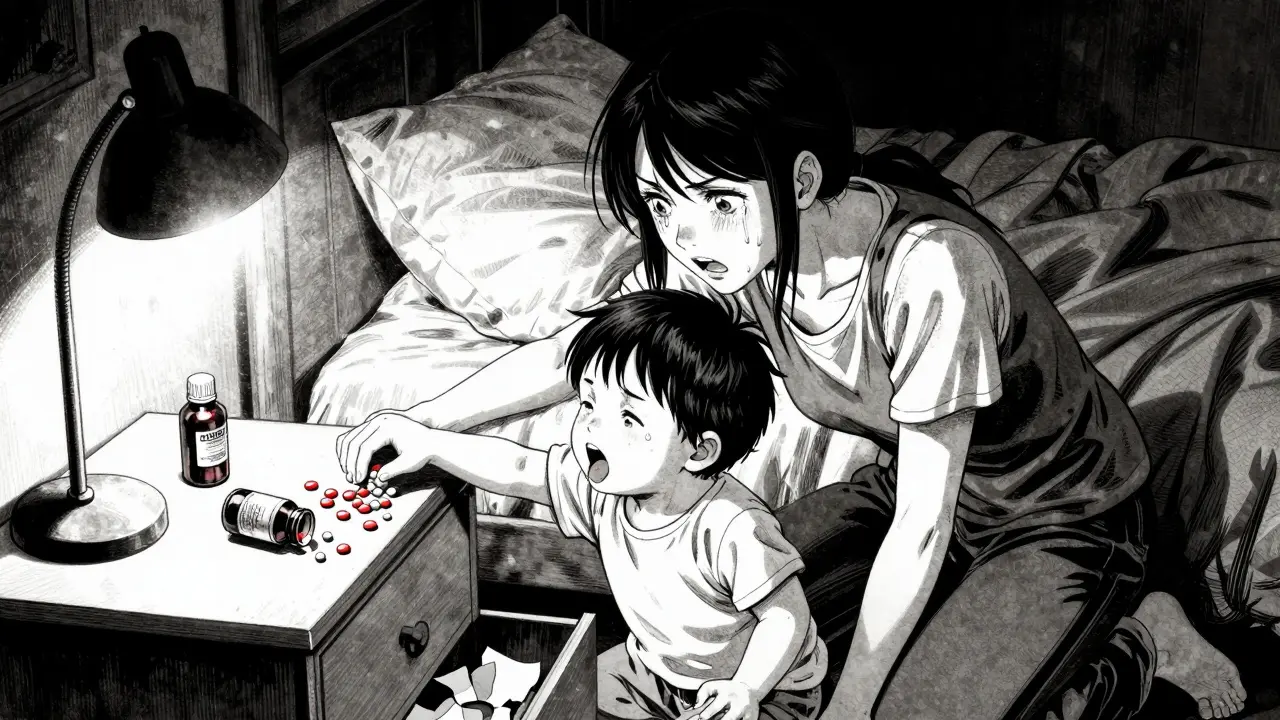
When someone takes too much antihistamine, it’s not just a stomach upset-it can be life-threatening. A 2-year-old grabs a bottle of Benadryl from the nightstand. A teenager takes 10 pills to sleep. An adult doubles up on allergy meds, thinking more will help. These aren’t rare mistakes. In 2022, nearly 5.7% of all pediatric poisonings in the U.S. involved antihistamines, and diphenhydramine was behind 83% of the serious cases. The good news? With the right first steps, survival rates are nearly 100%. The bad news? Most people wait too long to act.
What Happens in an Antihistamine Overdose?
Not all antihistamines are the same. First-generation ones like diphenhydramine (Benadryl), chlorpheniramine, and promethazine cross the blood-brain barrier and cause severe anticholinergic effects. They block acetylcholine, a key nerve signal, leading to dry mouth, blurred vision, flushed skin, racing heart, and confusion. At high doses, they also block sodium channels in the heart, which can widen the QRS complex on an EKG-this is what leads to dangerous arrhythmias and even cardiac arrest. Second-generation antihistamines like cetirizine (Zyrtec), loratadine (Claritin), and fexofenadine (Allegra) are designed not to cross into the brain. Overdoses here usually cause mild dizziness or a fast heartbeat. Rarely, massive doses (10x or more) can stretch the QT interval, but death is extremely uncommon. The real danger? First-gen drugs. One 50 mg tablet of diphenhydramine is a normal adult dose. Two or three can cause trouble. Ten? That’s a medical emergency.First Steps: What to Do Right Now
If you suspect an overdose, don’t wait for symptoms. Don’t call a friend. Don’t Google it. Here’s what you do:- Remove any remaining pills or liquid from the person’s mouth. Don’t try to make them spit it out-just gently clear what’s there.
- Do NOT induce vomiting. This is a myth. Antihistamines can cause drowsiness or seizures. Vomiting while unconscious increases the risk of choking or inhaling stomach contents into the lungs.
- Call poison control immediately. In the U.S., dial 1-800-222-1222. In New Zealand, call Poison Help on 0800 764 766. They’ll ask for the medication name, how much was taken, the person’s weight, and age. Have the bottle ready.
- Keep the person awake and calm. If they’re drowsy, sit them up. Don’t let them lie down. Watch for signs like rapid heartbeat, dilated pupils, or trouble speaking.
- Collect all medication containers. Emergency teams need to know exactly what was taken. Many products combine antihistamines with decongestants or painkillers. That changes the risk.
If the overdose came from liquid on the skin, rinse the area under cool running water for 15-20 minutes. If it got in the eyes, flush with water for 20 minutes. Don’t rub. Don’t delay.
When to Go to the Emergency Room
Not every overdose needs an ER. But you need to know when it does.- For children under 6: Any ingestion over 7.5 mg per kg of body weight. That’s about 100 mg total for a 30-pound child.
- For adults: More than 300 mg of diphenhydramine or dimenhydrinate.
- Any signs of trouble: Heart rate over 120 bpm, confusion, seizures, difficulty breathing, or inability to urinate.
- Even if the person seems fine-wait. Symptoms can take 1-4 hours to peak. The most dangerous window is the first 4-6 hours.
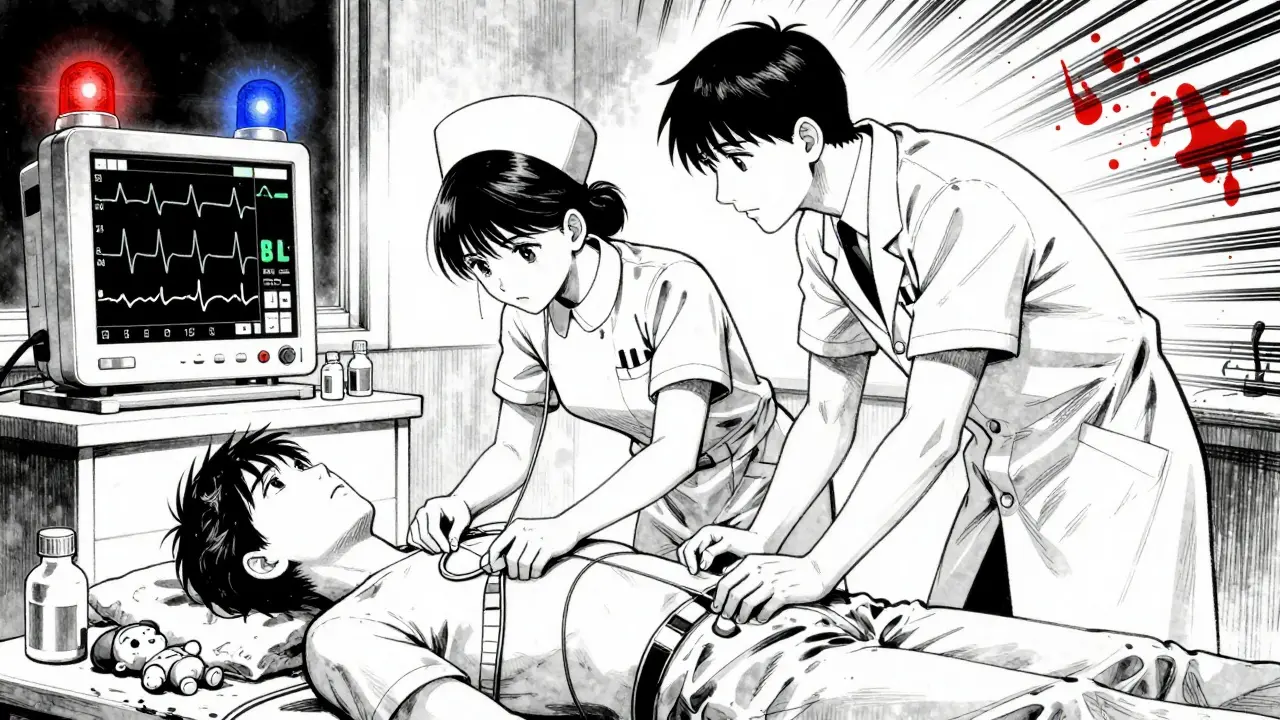
Doctors will monitor EKG continuously. If the QRS complex is wider than 100 milliseconds, they’ll watch for ventricular arrhythmias. If it’s over 120 milliseconds, they may give sodium bicarbonate to counteract the sodium channel blockade. This isn’t a guess-it’s a proven protocol backed by a 2022 NEJM study showing it reverses EKG changes fast.
What Hospitals Do (And What They Don’t)
You’ll hear rumors about antidotes. Let’s clear them up.- Activated charcoal? Yes-if given within 1-2 hours of ingestion. It binds the drug in the gut and stops more from being absorbed. Dose: 25-100 grams for adults, 0.5-1 gram per kg for kids.
- Physostigmine? No. Once used to reverse delirium, it’s now avoided. It can trigger heart rhythm problems in someone already at risk.
- Benzodiazepines? Yes. If the person is agitated, having seizures, or hallucinating, lorazepam or midazolam are first-line. They calm the central nervous system without worsening heart risks.
- Forced diuresis or dialysis? No. Antihistamines bind tightly to proteins and spread deep into body tissues. Your kidneys can’t flush them out. This is a common misconception.
Most patients who need hospital care stay 24-48 hours for monitoring. The median stay is just over 22 hours. If the EKG normalizes and symptoms fade, they can go home. But if the QRS stays wide or arrhythmias develop, they’ll need longer observation.
Why This Keeps Happening
Most overdoses aren’t intentional. A 2021 study found 79% are accidents. Parents mix up dosing cups. Kids open bottles left on counters. Teens take pills to get high or sleep. Adults double up because they think “it’s just an allergy pill.”One Reddit user shared how her 5-year-old swallowed 18 mg of diphenhydramine-under the danger threshold. Poison control told her to watch for rapid heartbeat and urinary retention. She did. He was fine by morning.
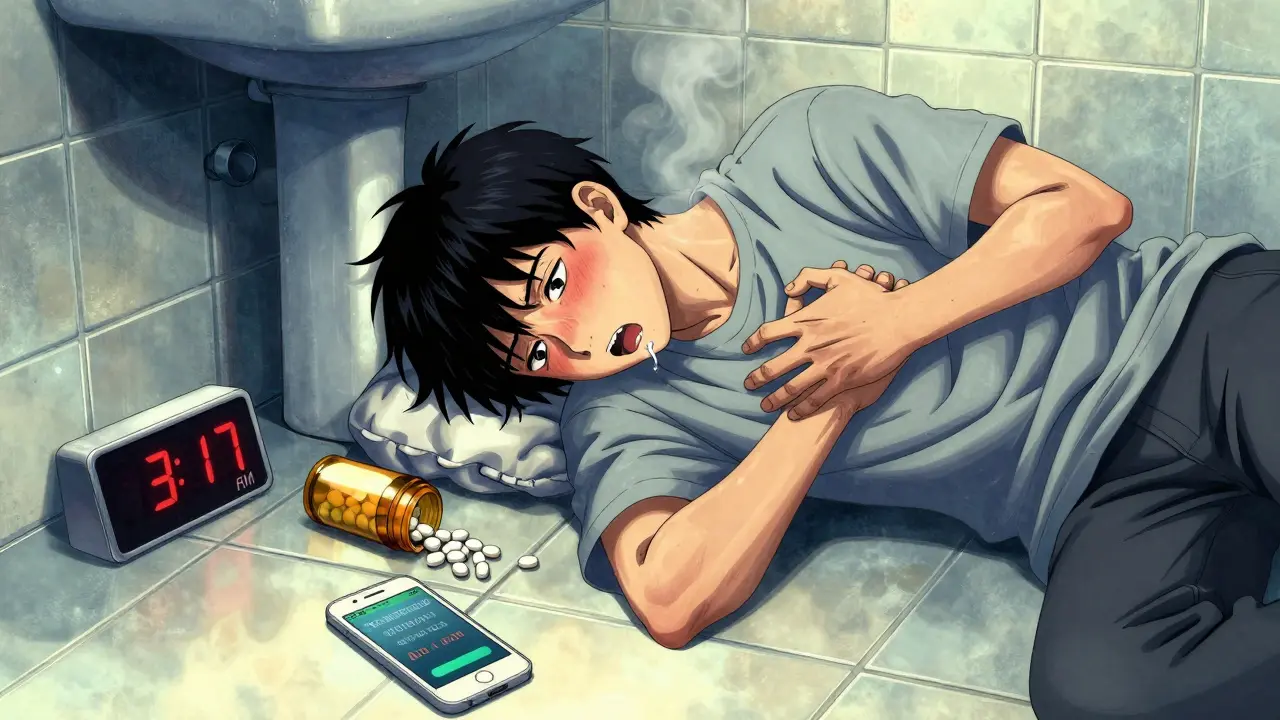
Another, a 24-year-old, took 400 mg to “sleep it off.” He ended up in the ER with a heart rate of 130, dry mouth so bad he couldn’t swallow, and couldn’t pee for 12 hours. IV fluids and benzodiazepines helped. He was discharged after 18 hours.
The pattern? People think it’s harmless. It’s not.
How to Prevent It
- Keep all medications locked up-even “safe” ones like children’s Benadryl.
- Use child-resistant caps and store out of sight and reach.
- Never use antihistamines to make a child sleepy. The FDA banned this for kids under 2 in 2008. It’s still done-and it’s deadly.
- Check labels. Many cold and sleep meds contain diphenhydramine. Taking two products means double the dose.
- Teach teens and older kids: “More doesn’t mean better. It means danger.”
In 2023, the FDA updated labels on all first-generation antihistamines to require clearer overdose warnings and better child-resistant packaging. But that won’t help if the bottle is on the nightstand.
What to Bring to the ER
When you go, bring:- The medication bottle (even if empty)
- A list of all other medicines taken
- The time of ingestion
- Estimated amount taken
- The person’s weight and age
Don’t rely on memory. Emergency staff need exact details to treat correctly. One wrong assumption can delay life-saving care.
Final Reality Check
Antihistamine overdose isn’t a myth. It’s a quiet killer. People assume because it’s OTC, it’s safe. It’s not. Diphenhydramine is the #1 cause of serious antihistamine poisoning in kids. It’s in 62% of severe cases-even though it’s only 28% of sales. Why? Because it’s cheap, easy to get, and people think it’s harmless.But here’s what matters: If you act fast, you save a life. Call poison control before you panic. Don’t wait for symptoms. Don’t try to fix it yourself. The system works. You just have to use it.
Can you survive an antihistamine overdose?
Yes, almost always-if you get medical help quickly. The survival rate for people who receive proper emergency care is 99.9%, according to a 2023 NCBI review. The biggest risk isn’t the drug itself-it’s delay. Waiting too long to call for help is what turns a treatable case into a fatal one.
Is Benadryl more dangerous than other antihistamines?
Yes, by far. Diphenhydramine (the active ingredient in Benadryl) is the most common cause of serious antihistamine overdoses, especially in children. It blocks sodium channels in the heart, which can cause dangerous arrhythmias. Second-generation antihistamines like Zyrtec or Claritin rarely cause life-threatening effects, even in large doses.
Should I give ipecac or make them vomit?
No. Never induce vomiting unless poison control or a doctor tells you to. Antihistamines cause drowsiness and can lead to loss of consciousness. Vomiting increases the risk of choking or inhaling stomach contents into the lungs, which can cause pneumonia or death.
How long does it take for symptoms to show?
Symptoms usually start within 30 minutes to 2 hours after ingestion, but they can take up to 4 hours to fully develop. The most dangerous effects-like heart rhythm problems-peak between 4 and 6 hours. That’s why you need to monitor the person closely even if they seem fine at first.
Can I treat this at home?
Only if poison control says it’s safe. For small doses in children under 6 (less than 7.5 mg per kg) or adults (under 300 mg of diphenhydramine), observation at home may be enough. But you must watch for symptoms like fast heartbeat, confusion, trouble urinating, or seizures. If any appear, go to the ER immediately. When in doubt, always call poison control first.
Janette Martens
December 28, 2025 AT 13:12who the fuck lets their kid grab benadryl off the nightstand? my mom locked everything up even the tylenol. canada’s got it right, we don’t let dumbass parents be dumbasses. also why is everyone still using diphenhydramine like it’s candy? jesus christ.
Marie-Pierre Gonzalez
December 28, 2025 AT 22:31Thank you for this vital, life-saving information. 🙏 I work in pediatric care and see far too many preventable cases. Please, parents - lock up ALL medications, even 'harmless' ones. A single pill can change a family’s life forever. Let’s protect our little ones with vigilance and care.
Louis Paré
December 29, 2025 AT 09:19Let’s be real - this isn’t about ‘overdose,’ it’s about societal decay. People treat medicine like snacks because they’ve been coddled by consumer culture and lazy parenting. You don’t need a 2000-word guide to stop your kid from eating pills. You need to parent. The fact that this is even a topic is a symptom of a broken system. Also, sodium bicarbonate? That’s like using duct tape to fix a nuclear reactor.
James Hilton
December 30, 2025 AT 14:25benadryl for sleep? bro you’re not a zombie, you’re just bad at sleep hygiene 😅
Mimi Bos
December 31, 2025 AT 10:59i once gave my nephew benadryl to calm him down before a flight… he got hyper and screamed for 3 hours. never again. also, poison control is legit my hero. called them once and they saved my life (and my dog’s).
ps: i typoed everything here but you get the point lol
Payton Daily
December 31, 2025 AT 15:09okay but like… why do people think antihistamines are safe? it’s not like they’re vitamins. you wouldn’t eat 10 ibuprofen to feel chill, right? so why take 10 benadryl to nap? it’s the same damn thing. and don’t even get me started on parents who use it as a ‘sleep aid’ for toddlers. that’s not parenting, that’s chemical neglect. i’ve seen kids in the er from this. it’s not a joke. it’s a horror story with a side of cheap pharmacy meds.
Kelsey Youmans
January 1, 2026 AT 12:43Thank you for the comprehensive and clinically accurate overview. The emphasis on prompt poison control consultation and the clarification regarding contraindications like physostigmine and forced diuresis are particularly valuable. I hope this reaches caregivers, educators, and pharmacists. This is public health education at its most essential.
Sydney Lee
January 2, 2026 AT 15:47Let me be blunt: this post is a Band-Aid on a hemorrhage. We don’t need more ‘first steps’ - we need mandatory childproofing regulations, federal bans on OTC antihistamine sales without age verification, and public service campaigns that don’t sound like they were written by a pharmacy intern. The FDA updated labels? Great. Now make them illegal to sell on Amazon without a prescription. Until then, we’re just rearranging deck chairs on the Titanic while children choke on diphenhydramine.
Julius Hader
January 4, 2026 AT 14:11my cousin took 12 benadryl to ‘chill out’ after a breakup. ended up in the hospital for 3 days. said he thought it was just ‘strong allergy medicine.’
idk man… we gotta do better.