Cold and Flu Medications While Pregnant: What to Avoid and Safe Alternatives
 Aug, 15 2026
Getting a cold or the flu during pregnancy is stressful enough without worrying about whether that cough syrup might hurt your baby. You feel terrible, you want relief, but the pharmacy aisle looks like a minefield of warnings. The good news? You don’t have to suffer in silence, and you don’t have to guess. Major health organizations like the American College of Obstetricians and Gynecologists (ACOG) and the Centers for Disease Control and Prevention (CDC) have clear guidelines on what’s safe and what isn’t.
The biggest mistake many expectant mothers make is assuming all over-the-counter (OTC) medications are harmless because they’re available without a prescription. They aren’t. Some ingredients can restrict blood flow to the placenta or cause developmental issues. However, leaving the flu untreated is also dangerous; pregnant women face higher risks of pneumonia and hospitalization. The goal is to treat your symptoms effectively using the safest options available, avoiding unnecessary exposure to risky chemicals.
Medications to Strictly Avoid During Pregnancy
Before looking at what you can take, let’s talk about what you should leave on the shelf. Certain classes of drugs pose significant risks to fetal development, particularly in the first and third trimesters.
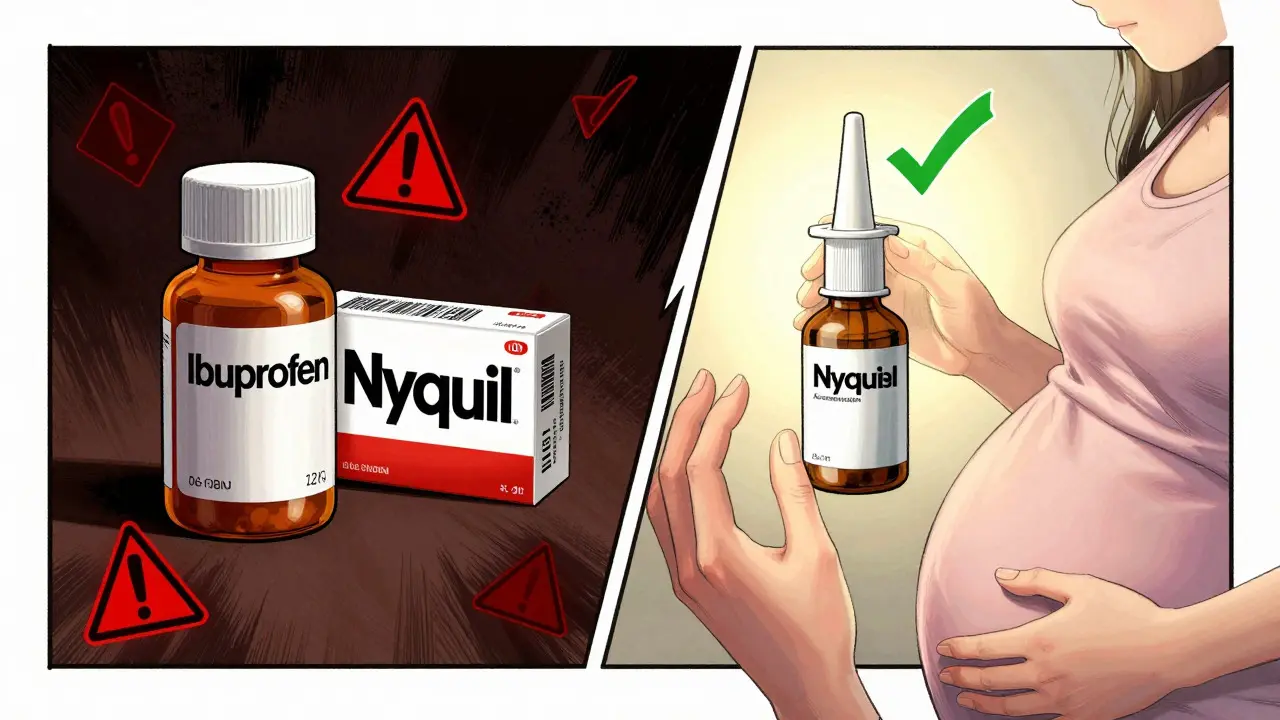
Nonsteroidal Anti-Inflammatory Drugs (NSAIDs) are the most common culprits. This includes ibuprofen (Advil, Motrin), naproxen (Aleve), and high-dose aspirin. Unless your doctor specifically prescribes low-dose aspirin for conditions like preeclampsia prevention, avoid these. Studies suggest NSAIDs can interfere with kidney function in the fetus and reduce amniotic fluid levels, especially after 20 weeks. In the first trimester, some data links them to an increased risk of certain birth defects.
Decongestants containing phenylephrine are another red flag. Products like Sudafed PE use phenylephrine, which VCU Health and Catholic Health explicitly advise against during pregnancy. There is limited data on its safety, and it may constrict blood vessels in a way that reduces blood flow to the uterus. Even pseudoephedrine (Sudafed) is controversial. While some older studies suggested it was safe after the first trimester, newer guidance from institutions like VCU Health cautions against it due to potential associations with abdominal wall defects if taken early in pregnancy. When in doubt, skip the decongestant pills entirely.
Combination cold and flu products are tricky. Brands like DayQuil, NyQuil, and Mucinex FastMax often mix multiple active ingredients. For example, NyQuil liquid contains alcohol (about 10-15% by volume), which is generally advised against in pregnancy. Even the caplet versions may contain antihistamines or decongestants that aren't ideal. The rule of thumb? Avoid "all-in-one" solutions. They often include ingredients you don’t need, increasing your exposure to unnecessary chemicals.
Codeine and opioid-based cough suppressants should be avoided. The FDA issued warnings in 2021 highlighting the risk of respiratory depression in newborns if mothers take codeine late in pregnancy. Stick to non-opioid alternatives for cough relief.
Safe Medication Options for Symptom Relief
Just because you need to avoid some drugs doesn’t mean you have no options. Several medications have robust safety profiles backed by decades of research.
Acetaminophen (Tylenol) is the gold standard for fever and pain relief during pregnancy. Large-scale studies, including the Collaborative Perinatal Project which monitored over 50,000 mother-child pairs, found no increased risk of birth defects associated with acetaminophen use. It is considered safe throughout all three trimesters. Use it at the lowest effective dose for the shortest time necessary to manage fever or headaches.
For coughs, dextromethorphan (Robitussin DM) is generally considered safe for short-term use. A National Institutes of Health (NIH) study followed hundreds of pregnant women who used dextromethorphan in the first trimester and found no increase in birth defects. Just ensure you buy the plain version without added decongestants or alcohol. Guaifenesin (plain Mucinex) is also widely regarded as safe for thinning mucus, though it’s best used after the first trimester if possible.
If allergies are triggering your congestion, second-generation antihistamines like loratadine (Claritin) and cetirizine (Zyrtec) are preferred. Unlike older antihistamines like diphenhydramine (Benadryl), which can cause significant drowsiness, these newer options are less sedating and have strong safety records. Nebraska Medicine specifically recommends these as safe alternatives for pregnant women dealing with seasonal allergies or cold-related sneezing.
| Ingredient | Common Brand Names | Safety Status | Key Notes |
|---|---|---|---|
| Acetaminophen | Tylenol | Safe | First-line for fever/pain. Use lowest dose. |
| Ibuprofen/Naproxen | Advil, Aleve | Avoid | Risk of reduced amniotic fluid; birth defect concerns. |
| Dextromethorphan | Robitussin | Generally Safe | Short-term use only. Avoid combo products. |
| Pseudoephedrine | Sudafed | Use Caution/Avoid | Conflicting data; may affect blood flow. |
| Loratadine/Cetirizine | Claritin, Zyrtec | Safe | Preferred for allergies; non-drowsy. |
| Phenylephrine | Sudafed PE | Avoid | Limited safety data; potentially harmful. |
Treating the Flu: Antivirals and Vaccines
The flu is not just a bad cold. For pregnant women, influenza carries a higher risk of severe complications, including pneumonia and ICU admission. Because of this, the approach to treatment shifts from simple symptom management to aggressive medical intervention when necessary.
Oseltamivir (Tamiflu) is the preferred antiviral medication for pregnant women with suspected or confirmed flu. According to the InfantRisk Center and ACOG, studies have not shown an increased risk of birth defects with oseltamivir use. The key is timing: starting treatment within 48 hours of symptom onset yields the best results, but it can still be beneficial even if you start later. Don’t wait for a positive test result if your doctor suspects the flu; treatment should begin immediately.
What about other antivirals? Zanamivir (Relenza) is considered a secondary option with similar safety data. However, baloxavir (Xofluza) is currently not recommended. ACOG states there is an absence of efficacy and safety data for baloxavir in pregnancy, so stick with Tamiflu unless your specialist advises otherwise.
Prevention remains the best strategy. The CDC strongly recommends the inactivated flu vaccine for all pregnant women during flu season, regardless of the trimester. Additionally, recent guidelines endorse the Abrysvo RSV vaccine for women between 32 and 36 weeks of gestation to protect the newborn from Respiratory Syncytial Virus. Talk to your provider about getting vaccinated as soon as the flu season begins.
Natural Remedies and Non-Drug Strategies
Before reaching for any pill, consider non-pharmacological interventions. These carry zero risk to the fetus and can provide significant relief.
- Hydration: Drink plenty of water, herbal teas (caffeine-free), and broths. Staying hydrated thins mucus naturally.
- Saline Nasal Sprays: These are completely safe and help flush out nasal passages without any drug absorption.
- Humidifiers: Adding moisture to the air soothes irritated throats and loosens congestion. Clean the humidifier daily to prevent mold growth.
- Mentholated Products: Topical rubs like Vicks Vapor Rub and menthol cough drops are considered safe. They work by soothing the throat and creating a sensation of easier breathing without systemic drug effects.
- Rest: Your body needs energy to fight the virus. Prioritize sleep and reduce physical exertion.
Be cautious with herbal supplements. The FDA does not regulate supplements strictly, meaning purity and dosage can vary wildly. Many herbs lack sufficient research regarding their effects on pregnancy. For example, echinacea and elderberry are popular immune boosters, but data on their safety in pregnancy is inconsistent. Until more rigorous studies are completed, it’s safer to stick to proven remedies.

When to Call Your Doctor
While most colds resolve on their own, certain symptoms require immediate medical attention during pregnancy. Contact your healthcare provider if you experience:
- Fever above 100.4°F (38°C) that doesn’t respond to acetaminophen.
- Difficulty breathing or shortness of breath beyond mild congestion.
- Chest pain or persistent coughing fits.
- Decreased fetal movement.
- Signs of dehydration, such as dark urine or dizziness.
Remember, the risk of untreated high fever or severe infection often outweighs the risk of appropriate medication. Don’t hesitate to seek professional advice. Your provider knows your medical history and can tailor recommendations to your specific situation.
Summary of Key Takeaways
- Stick to Acetaminophen: It is the safest option for pain and fever.
- Avoid NSAIDs: Ibuprofen and naproxen pose risks to fetal kidneys and development.
- Read Labels Carefully: Avoid combination drugs like NyQuil or DayQuil due to alcohol and unsafe decongestants.
- Use Antivirals Early: If you suspect the flu, ask your doctor about Tamiflu immediately.
- Prioritize Prevention: Get your flu shot and RSV vaccine as recommended.
- Consult Before Supplementing: Herbal remedies are unregulated and potentially risky.
Is Tylenol safe to take during all trimesters of pregnancy?
Yes, acetaminophen (Tylenol) is consistently recommended by major health organizations as safe for use during all three trimesters of pregnancy for fever and pain relief. Large studies have not found an increased risk of birth defects. Always use the lowest effective dose for the shortest duration needed.
Can I take Sudafed (pseudoephedrine) for a stuffy nose?
Guidance on pseudoephedrine is mixed. Some providers consider it safe after the first trimester, while others advise avoiding it due to potential risks to blood flow and abdominal wall defects. Phenylephrine (Sudafed PE) is generally advised against. Saline sprays are a safer alternative for congestion.
Are NyQuil or DayQuil safe for pregnant women?
Generally, no. Liquid formulations contain alcohol, which is not recommended. Caplet versions may contain phenylephrine or other antihistamines that are not ideal. It is safer to treat individual symptoms with single-ingredient medications like acetaminophen or loratadine rather than using combination products.
What should I do if I think I have the flu?
Contact your healthcare provider immediately. Pregnant women are at higher risk for severe flu complications. Antiviral medications like oseltamivir (Tamiflu) are most effective when started within 48 hours of symptom onset and are considered safe during pregnancy.
Are herbal supplements like Echinacea safe for colds?
The FDA does not strictly regulate herbal supplements, and research on their safety during pregnancy is often insufficient. Many experts recommend avoiding them until more data is available. Stick to proven remedies like saline sprays, hydration, and approved OTC medications.