Chronic Pain: Why Three Months Changes Everything
 Aug, 31 2026
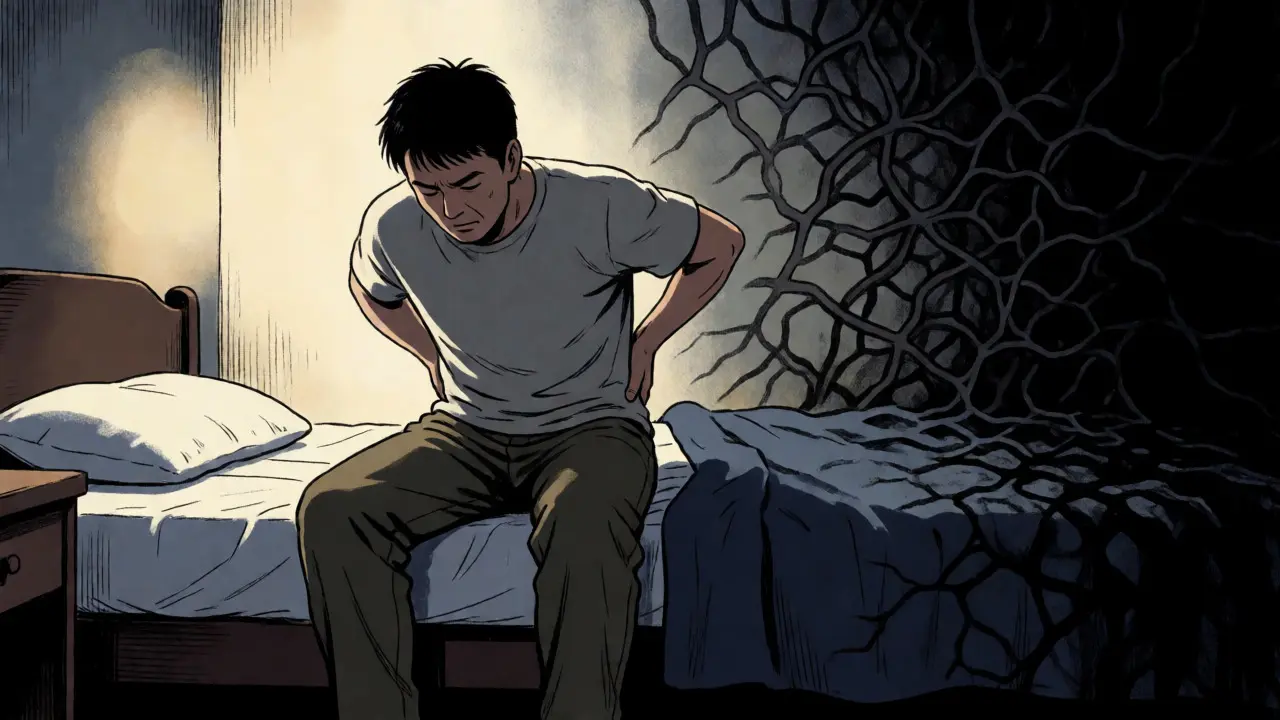
You wake up. Your back aches. You stretch, take an ibuprofen, and hope it fades by noon. For most people, this is just a bad day. But if that ache sticks around for more than three months, the rules change completely. It stops being a symptom of something else and becomes its own disease. This isn't just semantics; it changes how doctors treat you, what insurance covers, and why your brain starts wiring itself differently.
According to the International Association for the Study of Pain (IASP), which sets the global standard for pain diagnosis, chronic pain is defined as pain that persists or recurs for longer than three months. This threshold exists because acute pain usually resolves within a month as tissues heal. If pain lingers past that window, the nervous system often remains in a state of high alert, even after the original injury has healed. Recognizing this shift early is critical because chronic pain affects roughly 20% of adults globally, yet many suffer in silence or receive inadequate care because providers still view it merely as a lingering symptom rather than a distinct medical condition.
Why the Three-Month Mark Matters
The three-month benchmark isn't arbitrary. It marks the transition from acute healing to chronic adaptation. When pain lasts less than three months, your body is typically repairing tissue. The pain signals are useful warnings telling you to rest and protect the area. Once you cross that three-month line, the pain signals can become disproportionate to any actual tissue damage. The World Health Organization recognized this distinction in the 11th Revision of the International Classification of Diseases (ICD-11), implemented in January 2022. By classifying chronic pain as a disease entity in its own right, the WHO aimed to fix a massive gap in healthcare. A 2021 study in JAMA Network Open found that over 76% of chronic pain patients previously received inadequate care because their condition was misclassified. Treating it as a standalone disease allows for better diagnosis codes, appropriate treatment protocols, and necessary insurance coverage.
This reclassification also validates the patient experience. If you've been told "it's all in your head" because scans look normal despite ongoing pain, you're not imagining things. Chronic pain involves complex changes in the central nervous system, known as central sensitization. Your brain literally amplifies pain signals. Understanding this helps explain why standard painkillers might stop working effectively over time and why a multidisciplinary approach is often required.
The Four Main Types of Chronic Pain
Not all chronic pain behaves the same way. The IASP categorizes it into four primary types, each with different causes and treatments. Knowing which type you have can save you years of trial and error.
| Pain Type | Prevalence (%) | Primary Cause | Best First-Line Treatment | Efficacy Rate |
|---|---|---|---|---|
| Musculoskeletal | 45.7% | Injury, arthritis, strain | Physical Therapy | 60-70% |
| Neuropathic | 22.3% | Nerve damage/disease | Gabapentinoids/Antidepressants | 40-50% |
| Visceral | 18.1% | Organ dysfunction (e.g., gut) | Diet/Lifestyle + Meds | Variable |
| Nociplastic | 13.9% | Central Nervous System Sensitization | Multidisciplinary Programs | 55-65% |
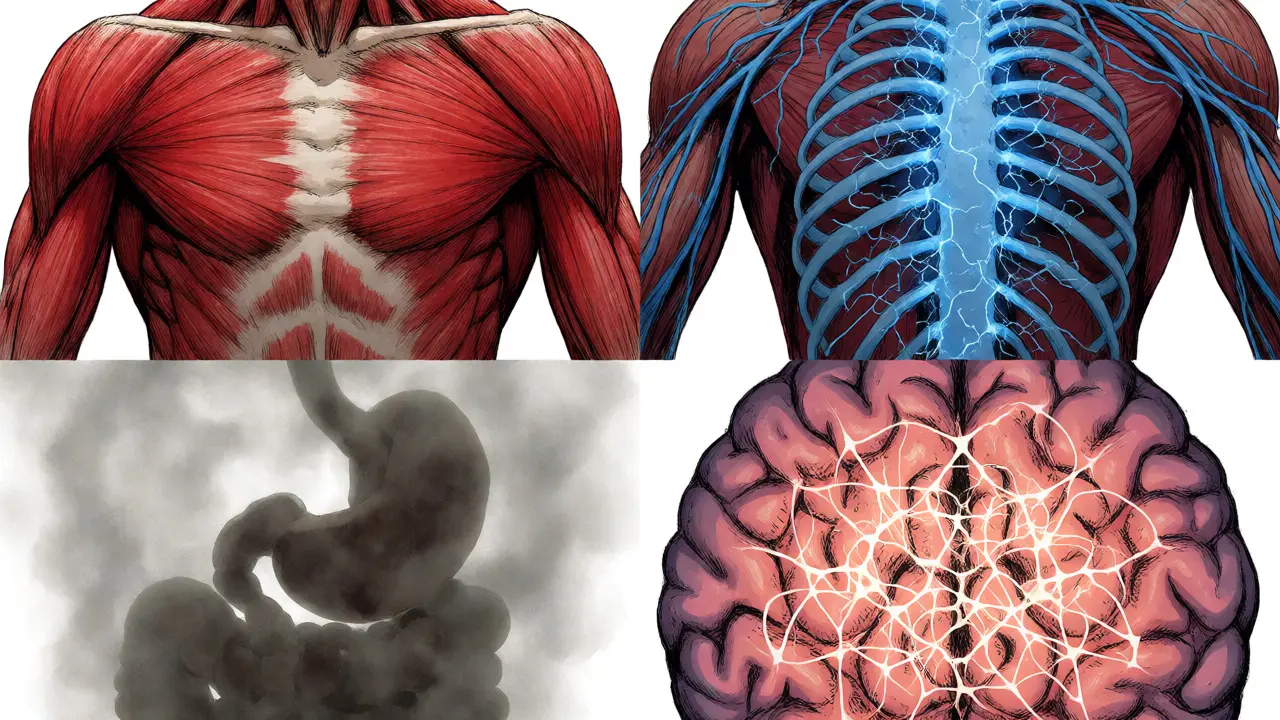
Musculoskeletal pain is the most common, affecting nearly half of all cases. It stems from bones, muscles, ligaments, or tendons. Think lower back pain from lifting heavy boxes or knee pain from osteoarthritis. Physical therapy works well here because strengthening supporting structures reduces the load on painful joints.
Neuropathic pain arises from damage to the somatosensory system-the nerves themselves. Patients often describe it as burning, shooting, or electric shocks. Common examples include sciatica or diabetic neuropathy. Standard painkillers like ibuprofen rarely touch this type. Instead, medications that calm nerve firing, such as gabapentin or pregabalin, are more effective.
Visceral pain comes from internal organs. It’s often hard to pinpoint-like the diffuse ache of irritable bowel syndrome or endometriosis. Because the pain originates deep inside, it can feel vague and widespread.
Nociplastic pain is the newest category. It occurs when there’s no clear tissue damage or nerve lesion, but the brain processes pain signals incorrectly. Fibromyalgia is the classic example. This type requires treating the brain’s pain processing pathways, often through cognitive behavioral therapy (CBT) and graded exercise, rather than just targeting a specific spot.
How Daily Life Takes a Hit
Chronic pain doesn’t stay confined to the body; it invades every part of life. Data from the National Health Interview Survey shows that adults with chronic pain miss an average of 9.2 workdays annually, compared to just 4.1 days for those without pain. For those with severe chronic pain, that number jumps to 16.7 days a year. That’s nearly a month of lost productivity.
Sleep disruption is another major issue. Analysis of thousands of posts on pain support forums reveals that over 80% of users report significant sleep problems. Poor sleep lowers your pain threshold, creating a vicious cycle: pain keeps you awake, and lack of sleep makes pain worse. One Reddit user, dealing with chronic back pain for twelve years, noted that they had to quit two jobs because standing for more than twenty minutes became impossible. They now work remotely but still lose two to three days a month during flare-ups.
Social isolation follows closely behind. On health platforms like PatientsLikeMe, 65% of members report moderate to severe interference with social activities. Cancelling plans last minute because you’re having a "bad day" leads to friends stopping invitations. Over time, this erodes your support network, which is crucial for mental resilience. The psychological toll is real, too. Depression and anxiety are twice as common in chronic pain patients. The constant stress of managing unpredictable symptoms wears down emotional reserves.
Treatment: Beyond the Pill Bottle
If you’re relying solely on medication, you’re likely fighting an uphill battle. Dr. Elliot Krane, a professor at Stanford University School of Medicine, notes that monotherapy-using only one treatment method-fails in 68-82% of chronic pain cases. The American Pain Society recommends a tiered approach starting with non-pharmacological interventions.
Cognitive Behavioral Therapy (CBT) isn't about convincing yourself the pain isn't real. It’s about changing how you react to pain. Studies show CBT can reduce pain intensity by 30-50% in about 65% of patients after twelve weekly sessions. It teaches coping strategies that break the fear-pain-tension cycle.
Physical therapy remains a cornerstone, especially for musculoskeletal issues. Properly guided movement strengthens weak areas and improves mobility. However, pacing is key. Pushing too hard triggers flares; doing too little leads to deconditioning. A good physiotherapist helps find that balance.
Medications play a role, but they must be used strategically. Non-steroidal anti-inflammatory drugs (NSAIDs) offer modest relief for some but carry risks of gastrointestinal bleeding and cardiovascular issues with long-term use. Opioids are generally discouraged for chronic non-cancer pain due to low efficacy (only 10-15% additional relief compared to non-opioids) and high addiction risk (8-12% after 90 days). Newer guidelines emphasize interdisciplinary programs that combine physical, psychological, and occupational therapies. These intensive programs, often lasting 3-4 weeks, have shown the highest success rates for complex cases.
Navigating the Healthcare System
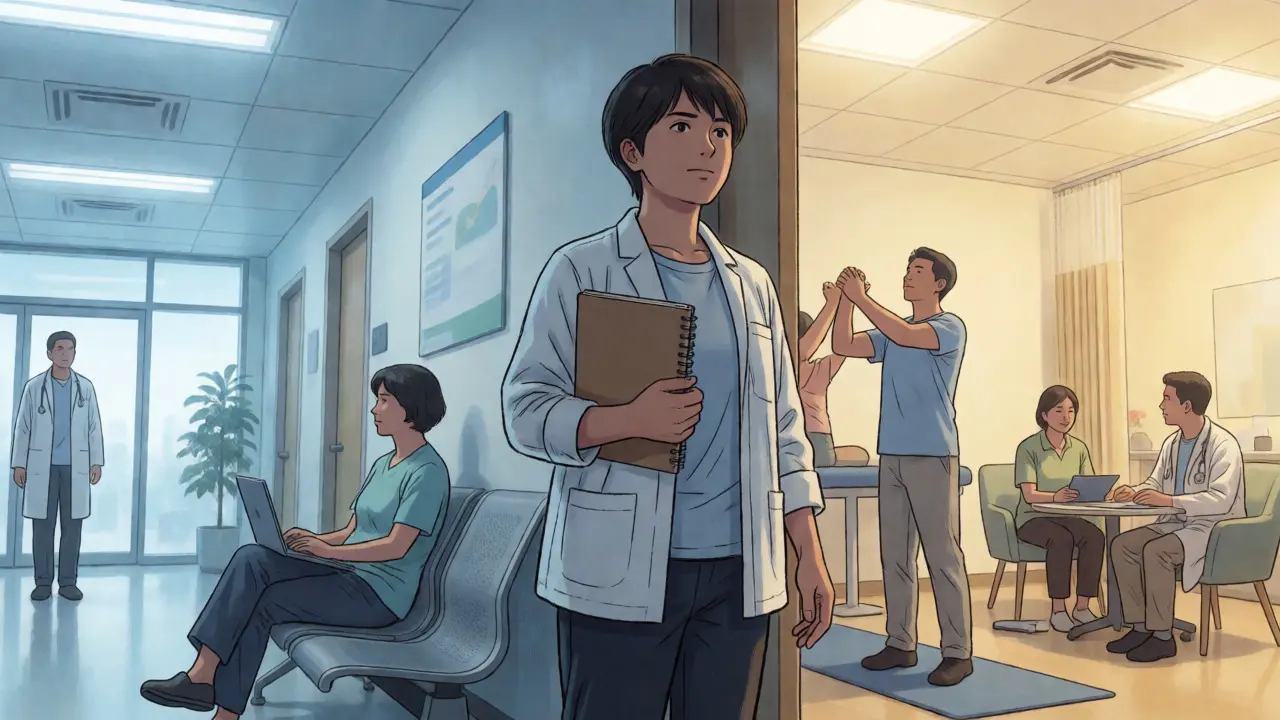
Getting the right help can be tough. There’s a significant shortage of pain specialists. In urban areas, there’s about one specialist per 75,000 residents; in rural areas, it drops to one per 500,000. This disparity means many patients wait months for referrals. A survey by the U.S. Pain Foundation found that 68.7% of patients feel misunderstood by their providers, with over half labeled as "drug-seeking" during emergency visits.
To improve your chances of getting effective care, come prepared. Document your pain history meticulously. Note the location, intensity (on a scale of 0-10), quality (burning, throbbing, stabbing), and temporal patterns. Track functional impacts: Can you dress yourself? Walk for ten minutes? Sleep through the night? Use standardized tools like the Pain Disability Index if possible. Bring a list of what treatments you’ve tried and how they worked. Be honest about your lifestyle factors, including stress levels and sleep habits. Doctors need this context to apply the biopsychosocial model, which addresses biological, psychological, and social factors simultaneously. Evidence shows this holistic approach is 40-60% more effective than treating biology alone.
The Future of Pain Management
There is reason for optimism. Research funding is shifting toward non-addictive solutions. The NIH HEAL Initiative allocated $1.8 billion in fiscal year 2024 for pain research, with hundreds of millions directed at developing non-opioid analgesics. Digital health tools are also expanding access. Apps like Curable and Reflect use neuroscience education and mindfulness techniques to help patients manage pain from home. Medicare now covers 80% of costs for certain evidence-based digital therapeutics, making these options more accessible.
Large healthcare systems are adapting, too. Kaiser Permanente’s Chronic Pain Initiative reduced opioid prescriptions by 47% while maintaining pain control scores by increasing access to physical therapy and behavioral health services. This trend suggests a future where pain management is personalized, using genomic data to predict which treatments will work best for individual patients. While challenges remain, including a projected shortage of specialists by 2030, the move toward precision pain medicine offers hope for more effective, sustainable relief.
Is chronic pain always caused by an injury?
No. While many cases start with an injury, chronic pain can develop without any obvious cause. Conditions like fibromyalgia involve central sensitization, where the brain amplifies pain signals despite no ongoing tissue damage. Neuropathic pain can result from diseases like diabetes rather than trauma.
Why do doctors hesitate to prescribe opioids for chronic pain?
Current guidelines discourage opioids for chronic pain because they provide only modest additional relief (10-15%) compared to non-opioid medications, while carrying significant risks of addiction, tolerance, and side effects like constipation and respiratory depression. Long-term use often leads to hyperalgesia, where the medication actually increases sensitivity to pain.
Can chronic pain go away?
Yes, many people achieve significant reduction or resolution of chronic pain. With multimodal treatment approaches-including physical therapy, cognitive behavioral therapy, and lifestyle changes-patients often see 30-50% improvements in pain intensity and function. Early intervention improves outcomes, but improvement is possible even after years of suffering.
What is nociplastic pain?
Nociplastic pain is a type of chronic pain arising from altered nociception despite no clear evidence of actual or threatened tissue damage causing the activation of peripheral nociceptors or evidence for disease or lesion of the somatosensory system causing the pain. Fibromyalgia is the most common example. It responds poorly to traditional anti-inflammatories but may benefit from antidepressants, anticonvulsants, and pain neuroscience education.
How does sleep affect chronic pain?
Sleep and pain share a bidirectional relationship. Pain disrupts sleep architecture, reducing restorative deep sleep. Conversely, sleep deprivation lowers pain thresholds and impairs the body's natural pain-killing mechanisms. Improving sleep hygiene is often a critical first step in managing chronic pain effectively.