Chemo at Home: Essential Safety Guide for Handling, Storage, and Exposure
 Jun, 10 2026
Imagine you are holding a small, white pill that could save your life. Now imagine that same pill sitting on your kitchen counter, within reach of your toddler or your dog. This is the reality for thousands of people receiving home chemotherapy, which is cancer treatment administered outside of a hospital setting, requiring strict safety protocols to prevent hazardous exposure to patients, caregivers, and household members. It is powerful medicine. It is also dangerous if mishandled.
The shift toward outpatient care means more cancer treatments are happening in living rooms and bathrooms rather than sterile clinic chairs. While this offers comfort and convenience, it brings unique risks. Chemotherapy agents do not just kill cancer cells; they can damage healthy tissue, cause skin irritation, and pose long-term reproductive risks to anyone exposed. Understanding how to handle, store, and dispose of these drugs is not optional-it is critical for keeping your entire household safe.
Understanding the 48-Hour Exposure Window
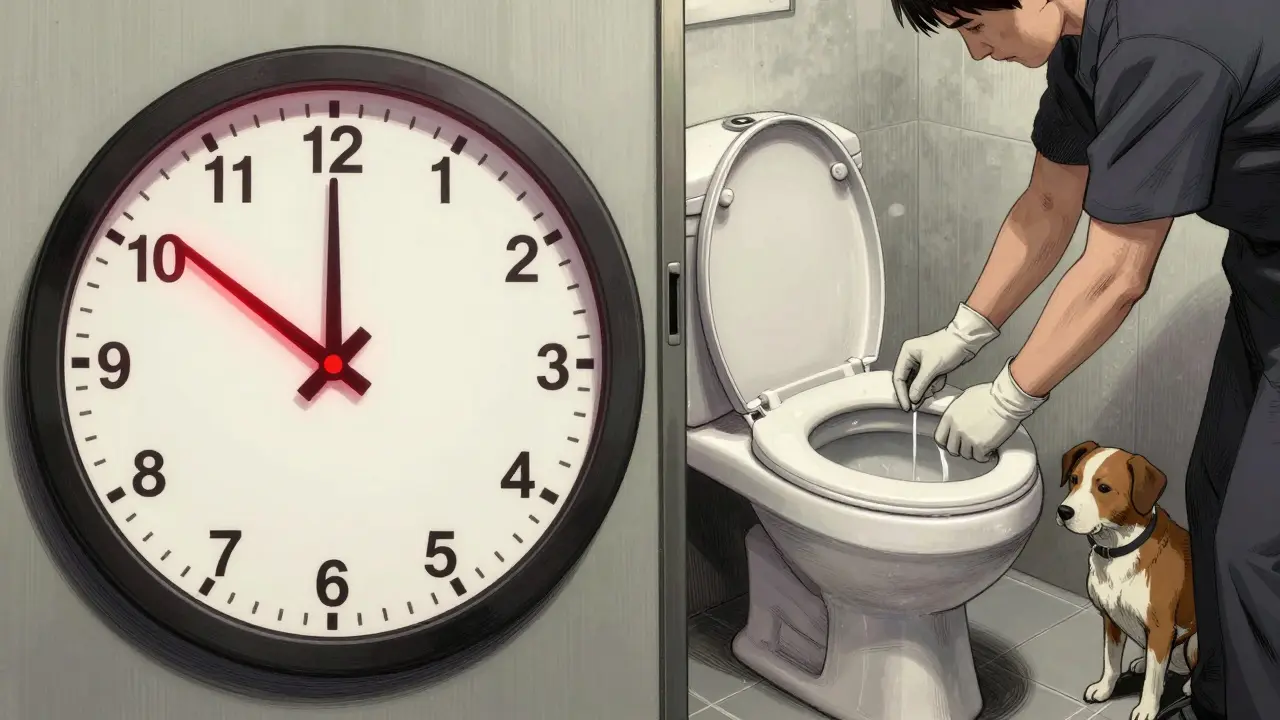
The most important concept to grasp before starting home chemo is the timeline of exposure. You might think the danger ends when you swallow the pill or finish the IV drip. It does not. Your body continues to excrete chemotherapy agents through urine, stool, vomit, sweat, tears, blood, semen, and vaginal fluids for approximately 48 hours after your last dose.
This window is established by major health organizations like the Centers for Disease Control and Prevention (CDC) and the American Society of Clinical Oncology (ASCO). For some specific drugs, such as cyclophosphamide, precautions may need to extend up to 72 hours. During this time, any contact with your bodily fluids poses a risk to others, particularly pregnant women, infants, and pets.
Why does this matter? A 2022 study in the Journal of Oncology Practice found that nearly 13% of healthcare workers who lacked proper protection developed skin issues from accidental exposure. In a home setting, where gloves might be forgotten or surfaces aren't cleaned properly, the stakes are equally high. The goal is simple: keep the drug inside you until your body naturally eliminates it, and protect everyone else from the remnants.
Safe Handling Protocols for Oral and IV Chemo
How you handle the medication depends on whether it is a pill or an infusion. The rules are strict because even tiny particles can be harmful.
For Oral Chemotherapy:
- Never crush or cut tablets. Breaking the pill releases microscopic particles into the air, which you can inhale. This is known as aerosolization. If you have trouble swallowing pills, ask your oncologist about liquid formulations or different medications.
- Use a dedicated cup. Do not pour pills directly into your hand. Use a plastic or glass cup specifically for this purpose. Wash this cup separately from other dishes during the exposure window.
- Avoid grapefruit products. Grapefruit juice interferes with how your liver processes many chemo drugs, potentially leading to toxic levels of the medication in your system. Stick to water unless your doctor says otherwise.
- Wear gloves. Always wear nitrile gloves when handling oral chemo pills. Latex gloves are not sufficient because chemo agents can penetrate them easily.
For Intravenous (IV) Chemotherapy:
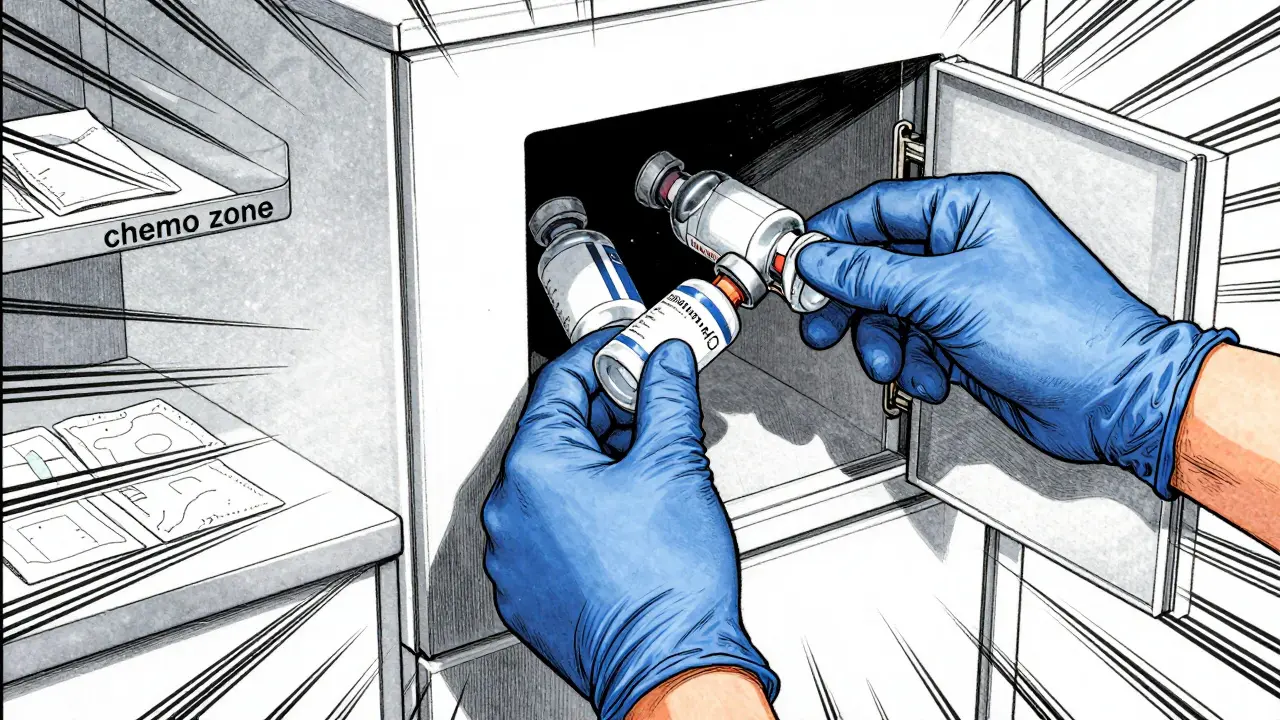
If you are managing an IV pump at home, the safety measures are similar but focused on the equipment. Wear gloves whenever you touch the bag, tubing, or pump. Store the medication in a locked cabinet away from children and pets. Keep a spill kit nearby containing absorbent pads, forceps, and heavy-duty disposal bags. If a spill occurs, do not use a vacuum cleaner-this will spread the chemicals through the air. Use the absorbent pads to soak up the liquid, then seal everything in the disposal bag.
Storage Requirements and Temperature Control
Chemotherapy drugs are sensitive. Storing them incorrectly can degrade their effectiveness or make them unstable. Most pharmaceutical companies, including Roche and Pfizer, specify precise temperature ranges in their package inserts.
| Storage Type | Temperature Range | Key Precautions |
|---|---|---|
| Refrigerated Medications | 2°C to 8°C (36°F-46°F) | Keep in original packaging; do not freeze; place in back of fridge away from door |
| Room Temperature Medications | 15°C to 30°C (59°F-86°F) | Store in a dry, dark place; avoid bathrooms due to humidity fluctuations |
| Controlled Substance Lockbox | Varies by drug | Must be locked and inaccessible to children, pets, and unauthorized visitors |
Create a "chemo zone" in your home, typically a bathroom with good ventilation. Cover countertops with plastic-backed absorbent pads before handling any medication. This dedicated space minimizes the risk of contaminating food preparation areas or living spaces.
Hygiene and Household Safety During the Exposure Window
Your daily routines need adjustment for those first two days after treatment. These changes protect your family from secondary exposure.
Toilet Hygiene:
Flush the toilet twice after every use, always with the lid down. This prevents aerosolized droplets from spreading into the air. If possible, use a separate bathroom during the 48-hour window. If sharing is unavoidable, ensure thorough cleaning with disposable wipes afterward.
Laundry Care:
Wash soiled linens, towels, and clothing separately from the rest of the household laundry. Run the washing machine twice: once to remove the chemical residue, and again with regular detergent. Use hot water (at least 140°F or 60°C) if the fabric allows. Wear gloves when handling these items.
Skin and Surface Cleaning:
Wash your hands for at least 20 seconds before and after handling medication or touching potentially contaminated surfaces. Use mild soap and warm water. Avoid harsh scrubbing, which can irritate skin already sensitized by chemo. Clean any surfaces you touched with disinfectant wipes designed for hazardous materials.
Special Considerations for Vulnerable Groups
Some members of your household require extra protection. Pregnant women, individuals trying to conceive, and breastfeeding parents must avoid all contact with chemotherapy medications and contaminated materials. Chemo agents are teratogenic, meaning they can cause birth defects. A 2019 study published in Cancer detected chemo residues in breast milk up to 72 hours after treatment. Breastfeeding is generally not recommended during active chemo therapy.
Pets are also vulnerable. Cats and dogs groom themselves frequently, so even small amounts of chemo residue on floors or furniture can be ingested. Keep pets out of the "chemo zone" and clean floors thoroughly during the exposure window. If you suspect your pet has been exposed, contact your veterinarian immediately.
Disposal of Contaminated Materials
Knowing what to throw away-and how-is often the most confusing part of home chemo. Here is the breakdown:
- Gloves and Wipes: Dispose of used nitrile gloves, absorbent pads, and cleaning wipes in regular household trash. Seal them in a plastic bag first. You do not need special medical waste containers for home use unless specified by your provider.
- Empty Pill Bottles: Check local regulations. Many pharmacies offer take-back programs for unused or expired medications. Do not flush pills down the toilet unless explicitly instructed, as this can contaminate water supplies.
- IV Supplies: Sharps (needles, syringes) must go in FDA-cleared sharps containers. Once full, follow local guidelines for disposal, often involving drop-off at hospitals or pharmacies.
A 2021 Mayo Clinic survey found that over 37% of patients were initially confused about disposal methods. When in doubt, call your oncology nurse or pharmacist. They can provide clear, drug-specific instructions.
Technology and Support Resources
Innovations are making home chemo safer. The FDA approved smart pill dispensers like the MedMinder Pro Chemo in 2022. These devices provide voice prompts for safety steps and log administration times automatically, helping you track the 48-hour window accurately. Over 12,000 patients now use these systems nationwide.
You are not alone in this process. The Oncology Nursing Society operates a 24/7 Chemotherapy Safety Hotline (1-866-877-7851), which handled over 12,000 calls in 2022 with an average response time under a minute. Additionally, the CDC offers a free printable "Home Chemo Safety Checklist" that has been downloaded tens of thousands of times. Keep this checklist visible in your chemo zone.
As home chemotherapy becomes the standard for 75-80% of cancer treatments by 2030, staying informed is your best defense. Follow the protocols, ask questions, and prioritize safety without letting fear overwhelm you. You are managing a serious treatment, but with the right knowledge, you can do it securely at home.
How long do I need to take special precautions after taking oral chemo?
You should maintain strict safety precautions for 48 hours after your last dose. This includes wearing gloves when handling bodily fluids, flushing toilets twice with the lid down, and washing soiled linens separately. Some specific drugs may require up to 72 hours of precautions.
Can I let my kids or pets near me while I am taking chemo at home?
During the 48-hour exposure window, limit close contact with young children and pets. They are more vulnerable to accidental exposure through skin contact or ingestion of residues. Keep them out of the designated "chemo zone" and ensure thorough cleaning of shared spaces.
What should I do if I spill chemotherapy medication?
Do not use a vacuum cleaner, as this spreads hazardous particles into the air. Wear nitrile gloves and use absorbent pads from your spill kit to soak up the liquid. Place all contaminated materials in a sealed disposal bag. Clean the area thoroughly with appropriate disinfectants.
Is it safe to breastfeed while on chemotherapy?
No, breastfeeding is generally not recommended during chemotherapy. Studies have shown that chemo agents can pass into breast milk and remain detectable for up to 72 hours after treatment, posing serious risks to the infant.
How should I dispose of used chemo gloves and wipes?
Used nitrile gloves and cleaning wipes can be disposed of in regular household trash. Seal them in a plastic bag first to contain any residues. However, sharps like needles must be placed in FDA-cleared sharps containers and disposed of according to local medical waste regulations.
rebecca torres
June 11, 2026 AT 20:17most people dont realize how much residue stays on surfaces after handling these pills. i always wear nitrile gloves even for just picking up the bottle because latex is useless against chemo agents. also never crush them unless told to.
Erin Livengood
June 13, 2026 AT 10:55it feels like walking a tightrope sometimes but knowing the rules helps. the part about flushing twice with the lid down is something we all need to remember. it creates such a safe bubble around your family when you stick to those protocols. my husband and i have a designated bathroom now just for this time. it makes me feel less anxious about exposing our toddler to anything harmful. the spill kit idea is genius too. having absorbent pads ready gives peace of mind that accidents wont become disasters. we keep ours in a clear bin so its easy to find in a panic. thank you for breaking down the storage temps as well. it is wild how sensitive these drugs are to heat and humidity. keeping them away from the fridge door is a small detail that matters so much. i appreciate the reminder about grapefruit juice too. who knew fruit could be so tricky during treatment? it is all about creating rituals that protect everyone involved. love and safety go hand in hand here.
Sherry Wheeler
June 14, 2026 AT 08:39you are doing an incredible job navigating this brave new world of home care! every step you take with caution is a victory for your health and your loved ones. let us keep lifting each other up through these protocols. you got this!
Daniella Renzon
June 15, 2026 AT 00:13i am from south africa and we deal with similar issues here. the 48 hour window is real and scary but manageable if you stay calm. just take it one day at a time. pets are definitely the biggest worry for me since they lick everything. keeping them out of the bathroom is non negotiable for us.
Cecilia McGuinness
June 16, 2026 AT 01:39honestly this info saved my sanity last month. i was freaking out about washing clothes but the double wash tip works wonders. no more guilt trips about laundry days lol. thanks for sharing this guide it really helps to know im not alone in being paranoid about cleanliness right now
Aditya Singh
June 16, 2026 AT 03:18the pharmacokinetics of oral chemo require strict adherence to these hygiene standards. bioaccumulation risks are significant for household contacts especially immunocompromised individuals or pregnant women. the teratogenic potential cannot be overstated. ensure proper PPE usage at all times during administration and disposal phases. this aligns with global oncology nursing standards.
Brett Webster
June 17, 2026 AT 20:44as an oncology nurse i see patients struggle with the disposal aspect constantly. please do not flush pills unless specifically instructed by your pharmacist. most communities have drop off locations for unused meds. sharps containers are mandatory for needles. contact your local hospital if you are unsure where to dispose of them safely. patient safety extends beyond the individual to the entire community infrastructure.
shreya sinha
June 18, 2026 AT 15:32one must consider the ethical implications of neglecting these safety measures which demonstrate a profound disregard for the well-being of vulnerable household members including infants and domestic animals whose physiological systems are far less equipped to handle such toxicological exposures without severe and potentially irreversible consequences that could have been easily prevented through basic diligence and adherence to established medical guidelines provided by reputable health organizations worldwide.
Lee Coates
June 20, 2026 AT 00:49another government mandate telling us how to live :P but seriously dont vacuum up spills. learned that the hard way when my neighbor did it and his dog got sick. american healthcare is expensive enough without adding vet bills to the mix. stay safe folks. ;)
Miranda River
June 20, 2026 AT 20:59its not rocket science really just common sense wrapped in scary medical jargon. ppl make it harder than it needs to be. i just wear gloves and wash hands. why complicate it? the article says dont crush pills so i dont. simple as that. stop overthinking it and just follow the basics. life goes on.
Brandon Brodsky
June 22, 2026 AT 08:34oh great another list of things to worry about while fighting cancer. fantastic. just what i needed today. sure lets add anxiety to the side effects list. thanks for nothing.
Ganesh Honikol
June 22, 2026 AT 12:57it is truly heartening to see such detailed guidance being shared openly as it empowers patients to take charge of their therapeutic journey with confidence and precision. the emphasis on environmental controls and personal protective equipment underscores the critical importance of holistic care strategies that encompass not only the physical administration of medication but also the psychological reassurance derived from knowing that one is safeguarding their loved ones against potential hazards thereby fostering a supportive and secure domestic environment conducive to healing and recovery which is paramount in modern oncology practices globally.
Callie Skipper
June 23, 2026 AT 17:12just started this week and feeling overwhelmed. glad to see others talking about the toilet lid thing. never thought about aerosolization before. gonna buy some extra gloves today. thanks for the tips everyone