Blood Pressure Targets: 120/80 vs. Individualized Goals for Better Heart Health
 Mar, 2 2026
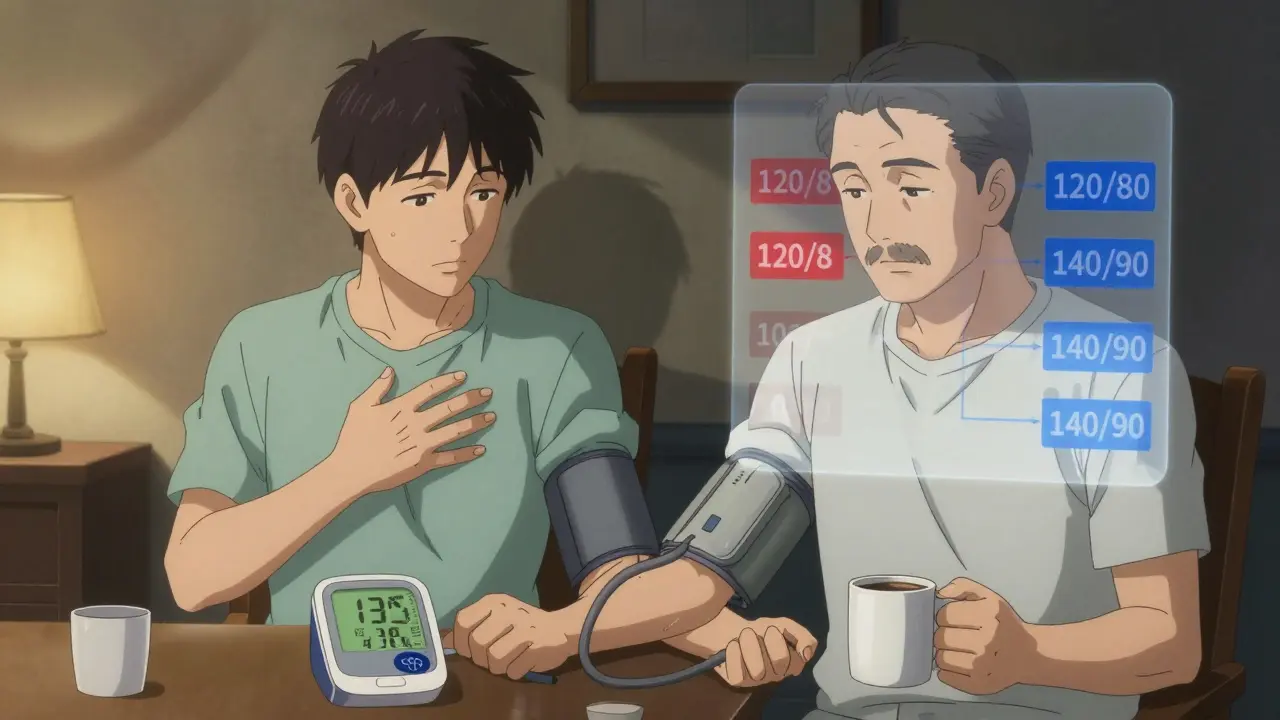
When it comes to blood pressure, you’ve probably heard the number 120/80 thrown around like gospel. It’s the number on billboards, in doctor’s offices, and even on fitness trackers. But is it the right goal for everyone? The truth is, there’s a growing divide in the medical world about whether we should all be chasing 120/80-or if some people do better with a higher target, like 140/90.
Why 120/80 Became the Gold Standard
The push for lower blood pressure targets really took off after the SPRINT trial in 2015. This large study followed nearly 9,400 adults with high blood pressure and compared two goals: one group aimed for a systolic pressure below 120 mm Hg, the other below 140 mm Hg. After about three years, the group with the lower target had 25% fewer heart attacks, strokes, and heart failure events-and 27% fewer deaths. That was huge. It made headlines. It changed guidelines.
By 2017, the American Heart Association and American College of Cardiology updated their rules to say: if your blood pressure is 130/80 or higher, you have hypertension. No more gray zone. Stage 1 wasn’t just "elevated" anymore-it was a signal to act. The idea was simple: the lower, the better. Even if you’re not on medication, if your pressure is 130/80, lifestyle changes should start now.
By 2025, that thinking had spread. The Japanese Society of Hypertension went all-in, recommending <130/80 for everyone, no exceptions. Even the European Society of Hypertension now says younger adults (under 65) should aim for 120-129/70-79. It looks like the world is moving toward 120/80 as the new normal.
The Case for 140/90: Why Some Doctors Push Back
But not everyone agrees. The American Academy of Family Physicians (AAFP) stuck with 140/90 in its 2022 update. And they have solid reasons.
For one, lowering blood pressure below 120 often means adding another pill. And more pills mean more side effects. In one study, for every 33 people treated to reach a systolic pressure below 120, one ended up with dizziness, fainting, or even kidney problems. That’s not rare. That’s 3% of people.
Then there’s the population problem. The SPRINT trial didn’t include older adults with a high risk of falling, people with diabetes, or those with advanced kidney disease. But in real life? Those are the people your family doctor sees every day. If you’re 78, take five medications already, and get lightheaded standing up, forcing your pressure to 120 might do more harm than good.
The AAFP argues that the benefit of going from 140 to 120 is small. For every 137 people treated aggressively, only one heart attack is prevented over 3.7 years. That’s not nothing-but is it worth the cost, the side effects, the extra doctor visits?
Who Should Aim for 120/80?
Not everyone needs to chase the lowest number. But some people definitely benefit.
- If you’ve already had a heart attack or stroke, going lower reduces your risk of another one.
- If you have diabetes or chronic kidney disease, studies show tighter control protects your kidneys and heart.
- If you’re under 65 and otherwise healthy, with no other major health issues, aiming for 120-125 systolic is likely safe and helpful.
- If your 10-year heart disease risk is over 7.5% (calculated using tools like PREVENT), then lower targets are recommended.
For these groups, the evidence is strong. The reduction in stroke risk alone makes the extra effort worthwhile.
Who Might Do Better with 140/90?
Now, who should think twice?
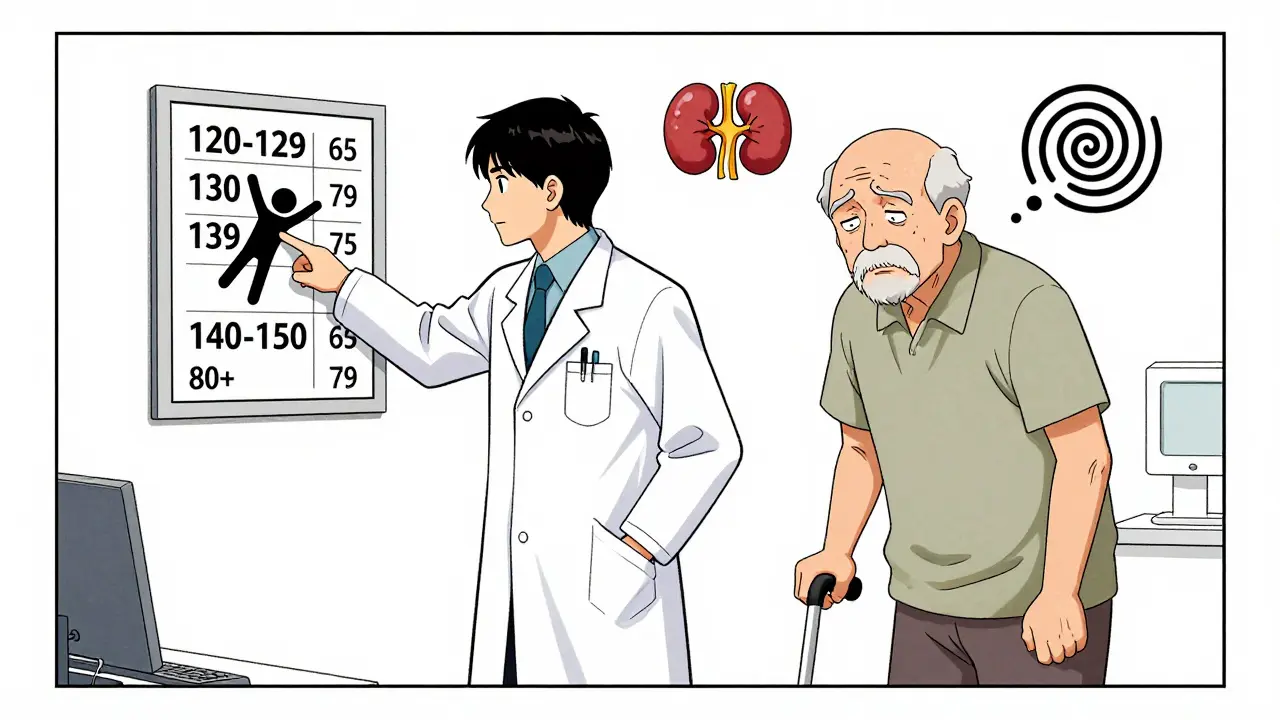
- Adults over 75, especially if they’re frail or have a history of falls.
- People with low blood pressure when standing (orthostatic hypotension).
- Those already on three or more blood pressure medications with side effects like fatigue or dizziness.
- Patients with advanced kidney disease who are at risk of acute kidney injury from aggressive treatment.
For these folks, pushing pressure too low can cause fainting, falls, or even hospitalization. The goal here isn’t to hit a number-it’s to feel well, stay active, and avoid complications.
The Middle Ground: ESH’s Age-Based Approach
The European Society of Hypertension took a smart middle path. Instead of one number for everyone, they broke it down by age:
- Under 65: aim for 120-129/70-79
- 65-79: aim for 130-139 systolic
- 80 and older: aim for 140-150 systolic
This isn’t about giving up-it’s about matching the treatment to the person. Older adults naturally have stiffer arteries. Their bodies handle pressure differently. Forcing them into a 120/80 target doesn’t make sense physiologically. And it’s not just theory-studies show that in this group, the risk of side effects outweighs the benefit.

What About Lifestyle? It Still Matters Most
No matter what target you’re aiming for, lifestyle changes are the foundation. Medication helps-but it doesn’t replace healthy habits.
- Reduce sodium. Most people eat over 3,500 mg a day. Cutting to under 2,300 mg lowers pressure by 5-10 mm Hg.
- Get moving. 150 minutes of brisk walking a week can drop systolic pressure by 8-10 mm Hg.
- Loosen up. Chronic stress raises pressure. Even 10 minutes of deep breathing daily helps.
- Limit alcohol. One drink a day for women, two for men. More than that? It’s a direct trigger for high pressure.
- Sleep well. Poor sleep or sleep apnea can raise pressure by 10-20 mm Hg.
These changes work. And they’re free. No pills. No side effects. Just better habits.
The Future: Personalized Blood Pressure Goals
The debate isn’t over. In fact, it’s just getting started. The NIH just launched SPRINT-2-a new trial starting in 2025 that includes people with diabetes, older adults, and those at risk of falls. This time, they’re studying real-world populations, not just healthy volunteers.
Meanwhile, doctors are starting to use tools that go beyond blood pressure numbers. Some clinics now use AI models that look at your genetics, kidney function, salt sensitivity, and even your zip code (yes, where you live affects your risk). These tools help predict who will benefit from aggressive treatment-and who might be harmed.
The future isn’t one-size-fits-all. It’s one-person-one-goal. And that’s where we’re headed.
What Should You Do?
Here’s the practical takeaway:
- If you’re under 65 and healthy, aim for 120-125 systolic. Start with lifestyle. Add meds only if needed.
- If you’re over 65, especially with other health issues, talk to your doctor. Don’t assume 120/80 is right for you.
- If you’re on multiple medications and feel dizzy or tired, your pressure might be too low. Ask for a recheck.
- Don’t chase a number. Chase feeling good. If you’re energetic, sleeping well, and not fainting, that’s a win-even if your pressure is 135/85.
- Use your doctor’s office. Get your pressure checked regularly. Home monitoring is even better.
The goal isn’t to hit 120/80. The goal is to live longer, feel better, and avoid a stroke or heart attack. Sometimes that means going low. Sometimes it means staying higher. And sometimes, it just means eating less salt and walking more.
Is 120/80 the right blood pressure target for everyone?
No. While 120/80 is ideal for younger, healthier adults-especially those with diabetes, heart disease, or high risk-it’s not right for everyone. Older adults, frail individuals, or those with a history of dizziness or falls may do better with a higher target like 130-140 systolic. The key is matching the goal to the person, not forcing a universal number.
What are the risks of aiming for a blood pressure below 120?
Lowering blood pressure too aggressively can cause dizziness, fainting, falls, kidney injury, or low potassium levels. Studies show about 3% of people treated to reach systolic pressure below 120 experience these side effects. The risk is higher in older adults, those on multiple medications, or with existing kidney disease. Monitoring and adjusting treatment is essential.
Should I start medication if my blood pressure is 130/80?
Not necessarily. If you’re under 65 and have no heart disease, diabetes, or kidney problems, start with lifestyle changes: reduce salt, exercise, lose weight if needed, and limit alcohol. Medication is recommended only if your 10-year heart disease risk is over 7.5% (using tools like PREVENT) or if lifestyle changes don’t lower your pressure after 3-6 months.
Do older adults need different blood pressure targets?
Yes. For people 65-79, a target of 130-139 systolic is generally safe and effective. For those 80 and older, aiming for 140-150 systolic reduces the risk of side effects like fainting and kidney problems, while still lowering stroke risk. Aggressive lowering in this group offers little extra benefit but increases harm.
Can I lower my blood pressure without medication?
Absolutely. Lifestyle changes can lower systolic pressure by 8-20 mm Hg. Cutting sodium, walking 30 minutes a day, losing 5-10% of body weight, reducing alcohol, and managing stress are all proven methods. Many people with stage 1 hypertension (130-139/80-89) can avoid medication entirely with consistent lifestyle changes.
Mike Dubes
March 3, 2026 AT 11:24Helen Brown
March 3, 2026 AT 23:50Stephen Vassilev
March 5, 2026 AT 04:28John Cyrus
March 6, 2026 AT 03:56John Smith
March 6, 2026 AT 05:45Betsy Silverman
March 6, 2026 AT 18:16Ivan Viktor
March 8, 2026 AT 15:57Matt Alexander
March 9, 2026 AT 19:41Shivam Pawa
March 10, 2026 AT 02:50Diane Croft
March 11, 2026 AT 09:18Tobias Mösl
March 13, 2026 AT 00:57Ethan Zeeb
March 13, 2026 AT 22:07Darren Torpey
March 14, 2026 AT 14:47