Black Cohosh and Liver Safety: What You Need to Know About Medication Interactions
 Feb, 14 2026
Black Cohosh Medication Interaction Checker
This tool helps you understand if the medications you're taking might interact dangerously with black cohosh, increasing your risk of liver damage. Check your medications below to see if you're at risk.
Your Risk Assessment
Important Warning
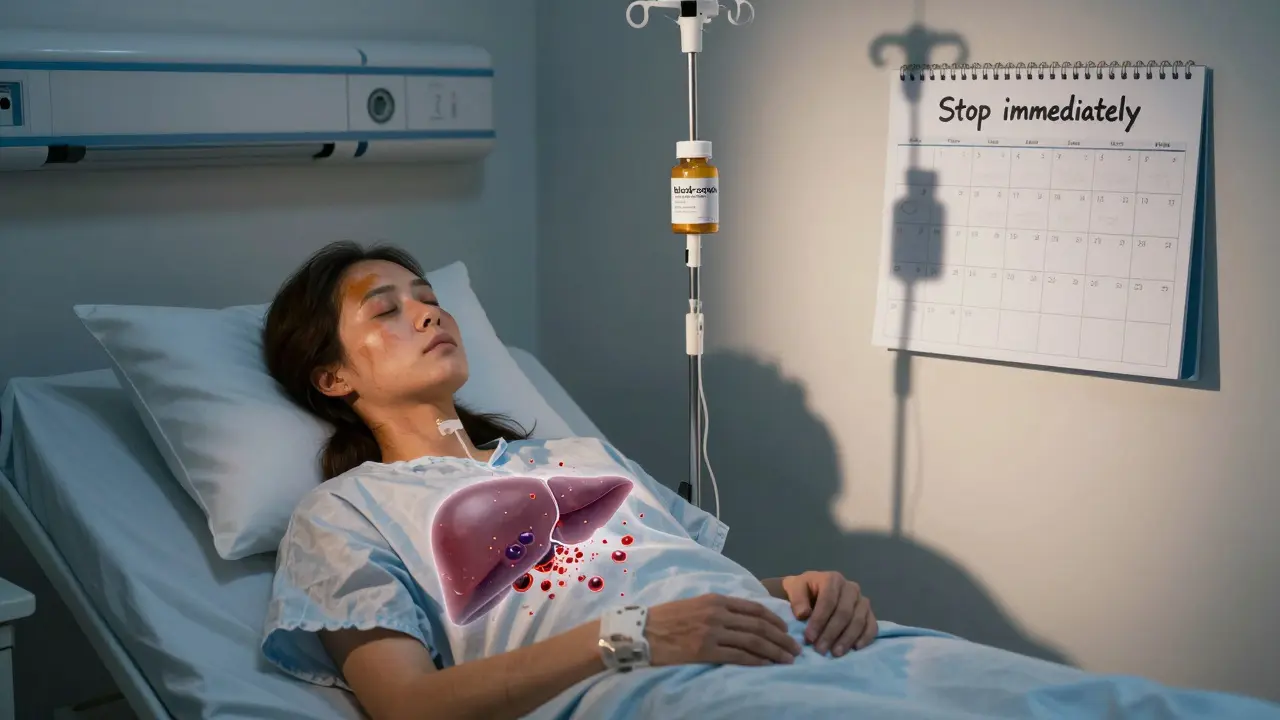
Liver damage from black cohosh can occur even with standard doses and may not show symptoms for weeks or months. If you experience any of these symptoms, stop taking black cohosh immediately and seek medical attention:
- Dark urine
- Yellowing of skin or eyes (jaundice)
- Severe fatigue
- Pain under right rib cage
Black cohosh is one of the most popular herbal supplements for menopause symptoms. Millions of women use it to manage hot flashes, night sweats, and mood swings, hoping to avoid hormone therapy. But behind the positive reviews and easy online access lies a quiet, serious risk: liver damage. And it doesn’t just happen to people who take too much. Even those using standard doses, with no history of liver problems, can develop serious injury-especially when black cohosh is mixed with common medications.
How Black Cohosh Works (and Why It Can Hurt Your Liver)
Black cohosh comes from the root of a North American plant, Cimicifuga racemosa. For over a century, it’s been used to ease menopausal symptoms. Unlike estrogen, it doesn’t act like a hormone in the body. That’s why many women with a history of breast cancer turned to it, thinking it was safer. But its safety isn’t as simple as it seems.
The active compounds in black cohosh-triterpene glycosides like actein and cimicifugoside-are not fully understood. What we do know is that these compounds are processed by your liver using enzymes called CYP2D6 and CYP3A4. These same enzymes break down dozens of common medications. When black cohosh and those medications are taken together, they can compete for space, overload the system, or create toxic byproducts. The result? Liver cells get damaged.
Most cases of liver injury from black cohosh are hepatocellular, meaning the liver cells themselves are dying. Blood tests show ALT levels skyrocketing-sometimes over 1,000 U/L (normal is under 55). Some people develop jaundice, dark urine, extreme fatigue, or pain under the right rib cage. In rare cases, it leads to liver failure requiring transplant.
Medications That Turn Black Cohosh Into a Risk
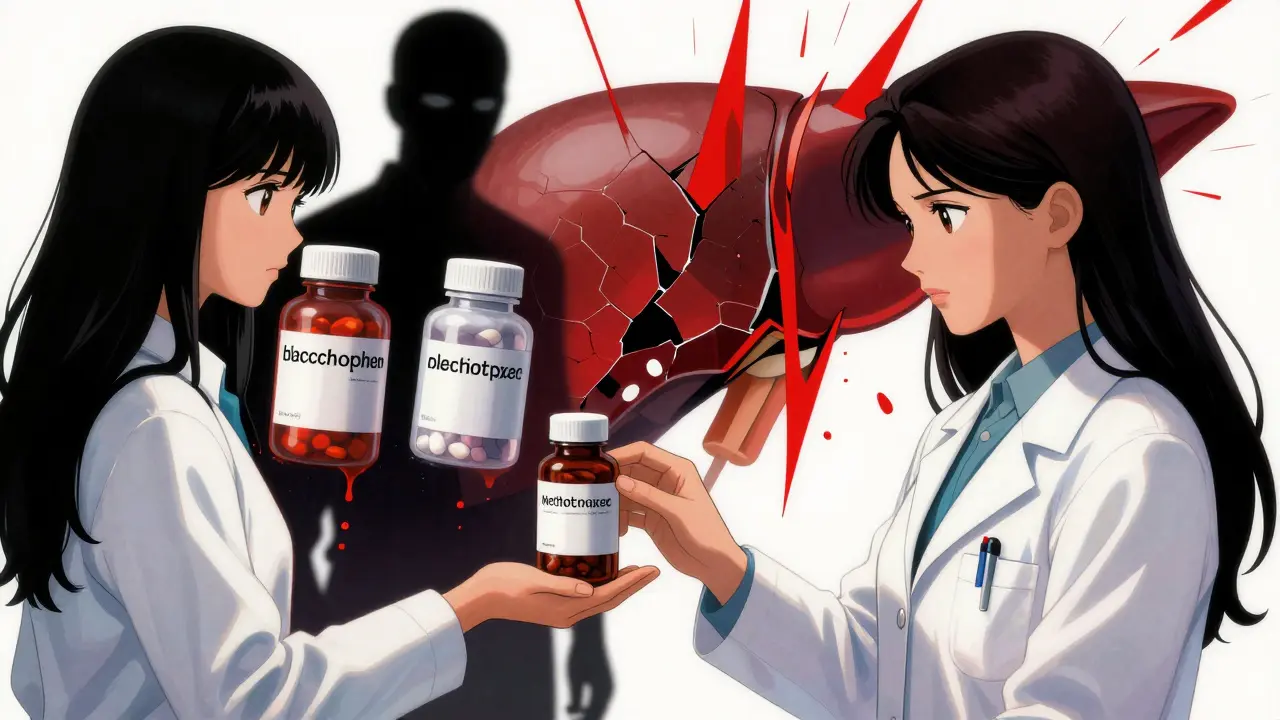
The real danger isn’t black cohosh alone. It’s what you take with it. Several common drugs can turn a low-risk supplement into a liver hazard:
- Acetaminophen (Tylenol): Even at normal doses, combining it with black cohosh has triggered acute liver failure. One documented case involved a 54-year-old woman who needed a transplant after using both for three months.
- Statins (atorvastatin, simvastatin): These cholesterol-lowering drugs are already hard on the liver. Add black cohosh, and the risk of enzyme spikes jumps significantly.
- Methotrexate: Used for autoimmune conditions and some cancers, methotrexate is known to cause liver toxicity. Black cohosh doesn’t just add to the risk-it multiplies it.
- Antibiotics like clarithromycin: These are strong CYP3A4 inhibitors. They slow down how fast your liver clears black cohosh, letting toxic levels build up.
- Antidepressants (SSRIs, SNRIs): While some doctors recommend SSRIs for hot flashes, mixing them with black cohosh may increase liver stress, especially in long-term users.
A 2023 study from the Drug-Induced Liver Injury Network found that people taking black cohosh with any of these medications had a 3.2 times higher chance of liver injury than those who took it alone. The risk isn’t theoretical-it’s been seen in hospitals.
Who’s Most at Risk?
Not everyone who takes black cohosh gets hurt. But certain people are far more vulnerable:
- Those with pre-existing liver disease (fatty liver, hepatitis, cirrhosis)
- People over 60, whose liver enzymes slow down with age
- Women taking multiple medications for menopause, diabetes, or high blood pressure
- Anyone using black cohosh for more than six months
- Those who buy supplements without third-party testing (many products are mislabeled or contaminated)
Even healthy women with no liver issues aren’t immune. A 2019 case study followed a 59-year-old woman who developed severe hepatitis after three months of black cohosh use. She was active, ate well, and didn’t drink alcohol. Her only change? Starting the supplement.
What the Experts Say
The debate is split. Some researchers argue that most liver injuries linked to black cohosh are due to poor-quality products-contaminants, wrong plant species, or heavy metals. Others point to over 50 confirmed cases in the LiverTox database, with symptoms appearing 2 weeks to 6 months after starting use.
The U.S. Pharmacopeia warns: “Individuals with liver disorders should avoid the use of black cohosh.” The European Medicines Agency requires all products sold in the EU to carry a liver injury warning. The American College of Obstetricians and Gynecologists updated its 2024 guidelines to explicitly recommend against black cohosh for anyone taking hepatotoxic drugs or with existing liver conditions.
Meanwhile, the National Institutes of Health is funding a $3.2 million study to figure out why this happens. Preliminary results expected in 2025 may reveal genetic markers that identify who’s most at risk.
What You Should Do
If you’re using black cohosh-or thinking about it-here’s what matters:
- Get a liver test first. Ask your doctor for ALT, AST, and bilirubin tests before starting. If levels are already high, skip it.
- Check all your medications. Make a list of everything you take-prescription, OTC, vitamins. Bring it to your doctor. Don’t assume “natural” means safe.
- Set a 6-month limit. No one should use black cohosh longer than six months without a break. Even then, retest your liver enzymes.
- Watch for warning signs. Dark urine, yellow skin or eyes, constant fatigue, nausea, or pain under your ribs? Stop immediately and get tested.
- Choose trusted brands. Look for USP Verified or NSF Certified labels. These mean the product was tested for what’s on the label and for contaminants.
Some companies now market “liver-safe” versions of black cohosh, claiming they’ve removed the harmful compounds. But the American Gastroenterological Association says there’s no proof yet. Until independent studies confirm this, assume all forms carry risk.
The Bigger Picture
Black cohosh isn’t going away. It’s still sold in 80% of U.S. pharmacies and online stores. But sales have dropped 4.7% each year since 2018. Why? Because more women are learning the truth: herbal doesn’t mean harmless.
For menopause symptoms, alternatives exist. SSRIs like escitalopram and paroxetine have been proven to reduce hot flashes without liver risk. Lifestyle changes-cooling techniques, stress reduction, regular exercise-also help. You don’t need black cohosh to feel better.
If you’re still considering it, ask yourself: Is the potential relief worth the chance of liver damage? Especially when you’re already taking other medications that stress the same organ?
The answer isn’t always yes. Sometimes, the safest choice is the one you never made.
Can black cohosh cause liver damage even if I take it at the recommended dose?
Yes. Liver injury from black cohosh isn’t always dose-dependent. Many cases occur in people taking standard doses (20-40 mg twice daily). The risk appears linked to individual metabolism, genetics, or interactions with other medications-not just how much you take.
How long does it take for black cohosh to affect the liver?
Liver injury can appear anywhere from 2 weeks to 6 months after starting black cohosh. Most cases occur between 2 and 4 months. This delay makes it hard to connect the supplement to the damage, which is why many people don’t realize the cause until it’s serious.
Should I stop black cohosh if I’m on statins or acetaminophen?
Yes, especially if you’re taking them regularly. Both statins and acetaminophen are processed by the liver using the same enzymes as black cohosh. Combining them increases the chance of liver stress and injury. The American College of Obstetricians and Gynecologists now advises against this combination entirely.
Are there safer herbal alternatives to black cohosh for hot flashes?
Yes. Red clover and soy isoflavones have been studied for menopause symptoms and carry far less liver risk. However, they may not work as well for everyone. Non-herbal options like SSRIs (e.g., escitalopram) are FDA-approved for hot flashes and have a much stronger safety profile. Lifestyle changes-like avoiding triggers (caffeine, heat), practicing deep breathing, or using cooling pillows-can also reduce symptoms without any risk.
Can liver damage from black cohosh be reversed?
In most cases, yes-if caught early. When people stop taking black cohosh and get medical care, liver enzymes usually return to normal within weeks. But in severe cases, especially when jaundice or high bilirubin appears, the damage can be permanent or lead to liver failure. Early detection is everything.
Do all black cohosh products carry the same risk?
No, but the difference isn’t clear. Some products may be contaminated or contain different plant species mistaken for black cohosh. Even USP-verified products have been linked to liver injury. There’s no guarantee that one brand is safer than another. The safest approach is to avoid the supplement altogether if you’re on other medications or have liver concerns.
Why isn’t black cohosh banned if it causes liver damage?
In the U.S., dietary supplements like black cohosh are not required to prove safety before being sold. The FDA only acts after harm is reported. This means black cohosh stays on shelves because the evidence, while strong, is still considered “probable” rather than “definitive” under current law. The European Union has stricter rules and requires warning labels. The U.S. system prioritizes access over protection.
Charlotte Dacre
February 15, 2026 AT 17:25Next up: ‘Echinacea’ that turns your kidneys into a suggestion box. Can we at least put a skull emoji on the label? Or is that too ‘un-American’?
Sarah Barrett
February 17, 2026 AT 06:57The real tragedy? Women are being told to ‘trust their intuition’ when they should be asking for a liver panel first. The supplement industry thrives on ambiguity. And ambiguity, my friends, is just risk in a silk robe.
Mike Hammer
February 17, 2026 AT 12:13Wish I’d known sooner. Maybe I should’ve Googled ‘black cohosh + statins’ before my third bottle. Not cool, system. Not cool.
Virginia Kimball
February 18, 2026 AT 13:31My mom took black cohosh for two years. Got jaundice. Turned yellow. Ended up in the ER. They said it was probably the supplement. She cried because she thought she was doing something good for herself.
Don’t be her. Get tested. Talk to your pharmacist. Your liver doesn’t have a voice - but you do.
Chiruvella Pardha Krishna
February 20, 2026 AT 02:17Perhaps the liver does not ‘fail’ - it rebalances. Perhaps the toxicity is not a flaw, but a signal - a cosmic nudge to question our dependency on chemical crutches. We have forgotten how to listen to silence. Black cohosh does not poison. It reveals.
Kapil Verma
February 21, 2026 AT 00:15You Americans treat herbs like TikTok trends. ‘Try it! It’s trending!’ Then you cry when your liver quits. Pathetic. This is why your healthcare system is broken.
Josiah Demara
February 21, 2026 AT 16:12And yes, statins are toxic. Acetaminophen kills 500 people a year in the US alone. Why aren’t they banned? Because the system protects pharmaceuticals, not plants. Hypocrites.
Mandeep Singh
February 22, 2026 AT 02:35Here’s the truth no one wants to admit: 70% of these supplements don’t even contain black cohosh. They contain Actaea racemosa, which is fine. Or they contain Actaea foetida - which is toxic. Or they’re laced with acetaminophen to ‘boost effectiveness.’
And the FDA? They’re asleep at the wheel. You think a label says ‘USP Verified’? That means someone checked the bottle. Not the contents. Not the manufacturing. Just the label.
So yes - stop taking it. Or better yet - stop trusting labels. And if you’re still taking it? Get your ALT tested tomorrow. Not next week. Not next month. Tomorrow.
Esha Pathak
February 22, 2026 AT 03:04Black cohosh is not the enemy. Our disconnect from nature is.
We want quick fixes. We want pills. We want magic. But the body doesn’t work in ‘quick.’ It works in cycles. In patience. In listening.
Maybe the liver is screaming because we’ve stopped listening to our breath. To our sleep. To our silence.
Take the test. Yes. But also... sit still. Breathe. Let the body speak.
Erica Banatao Darilag
February 23, 2026 AT 02:38Daniel Dover
February 24, 2026 AT 20:18Michael Page
February 24, 2026 AT 22:19What if the solution isn’t banning supplements - but re-educating the public to treat their bodies as sacred, not as systems to be optimized?
Until then, we’ll keep buying risk wrapped in a pretty label.
Betty Kirby
February 26, 2026 AT 12:27I used to think supplements were harmless. Now I know: they’re just unregulated drugs with better PR.
And if you’re still taking it? You’re not brave. You’re reckless.
Sarah Barrett
February 26, 2026 AT 17:34Let’s not romanticize ignorance. Safety isn’t spiritual. It’s scientific. And sometimes, science says: stop.