Acetaminophen and Liver Disease: Safe Dosing to Avoid Hepatotoxicity
 Mar, 25 2026
Acetaminophen Dosing Calculator
Safe Acetaminophen Dosage Calculator
Calculate your safe acetaminophen dosage limits based on your age, health conditions, and product type. Helps prevent liver damage from overdose.
Safe Dosing Results
Safe single dose range:
Maximum daily dose:
Did you know that a common pain reliever is the number one cause of sudden liver failure in the United States? It sounds shocking, but the data is clear. Every year, around 1,600 cases of acute liver failure are directly linked to overusing Acetaminophen is a widely used analgesic and antipyretic medication that poses significant hepatotoxicity risks when improperly dosed. Also known as Paracetamol, it has been around since 1955 in the US market. This medication is in everything from headache pills to cold syrup. The problem isn't the drug itself; it's how easily people take too much without realizing it. If you have liver issues or drink alcohol, the safety margin shrinks dramatically. Understanding exactly how much is safe can save your life.
How Acetaminophen Damages the Liver
To understand the risk, you need to know what happens inside your body. When you take this medicine, your liver processes it. Normally, your body breaks it down safely using two main pathways called sulfation and glucuronidation. These pathways handle most of the drug without trouble. However, a small part of the drug goes through a system called cytochrome P450. This system creates a toxic byproduct known as NAPQI is a toxic metabolite generated by the cytochrome P450 system during acetaminophen metabolism.
Under normal conditions, your liver has a protective substance called glutathione. Glutathione neutralizes the toxic NAPQI before it can hurt your cells. The trouble starts when you take too much medicine. Your normal pathways get overwhelmed, and more drug gets sent to the cytochrome P450 system. This creates a flood of NAPQI. Once your glutathione stores drop by about 70%, the protection fails. The toxic NAPQI then attacks your liver cells, causing oxidative damage. This process is what leads to hepatotoxicity. It is a precise biological chain reaction that depends entirely on the dose you take.
Safe Dosing Guidelines for Adults and Children
Sticking to the right numbers is your best defense. For healthy adults, the standard therapeutic dose is between 325 and 1,000 milligrams per dose. You should wait at least 4 to 6 hours between doses. The absolute maximum daily limit is 4 grams (4,000 mg) in a 24-hour period. However, some manufacturers suggest being more conservative. For example, Mayo Clinic notes that for Extra Strength products, the safe daily limit is actually 3,000 milligrams. It is always safer to aim for the lower end of the range.
Children require even more careful calculation. Pediatric dosing is based on weight, typically 10 to 15 mg per kilogram of body weight per dose. You can give this every 4 to 6 hours. The maximum daily dose for children is 80 mg per kilogram. Never use a household spoon to measure liquid medicine. Use the syringe or cup that comes with the bottle. A standard teaspoon holds more liquid than a medicine spoon, which can lead to accidental overdose.
| Group | Single Dose | Frequency | Maximum Daily Dose |
|---|---|---|---|
| Adults | 325-1,000 mg | Every 4-6 hours | 4,000 mg (3,000 mg for Extra Strength) |
| Children | 10-15 mg/kg | Every 4-6 hours | 80 mg/kg |
| With Alcohol | Reduce Dose | Avoid Combination | 2,000 mg |
Hidden Sources of Acetaminophen
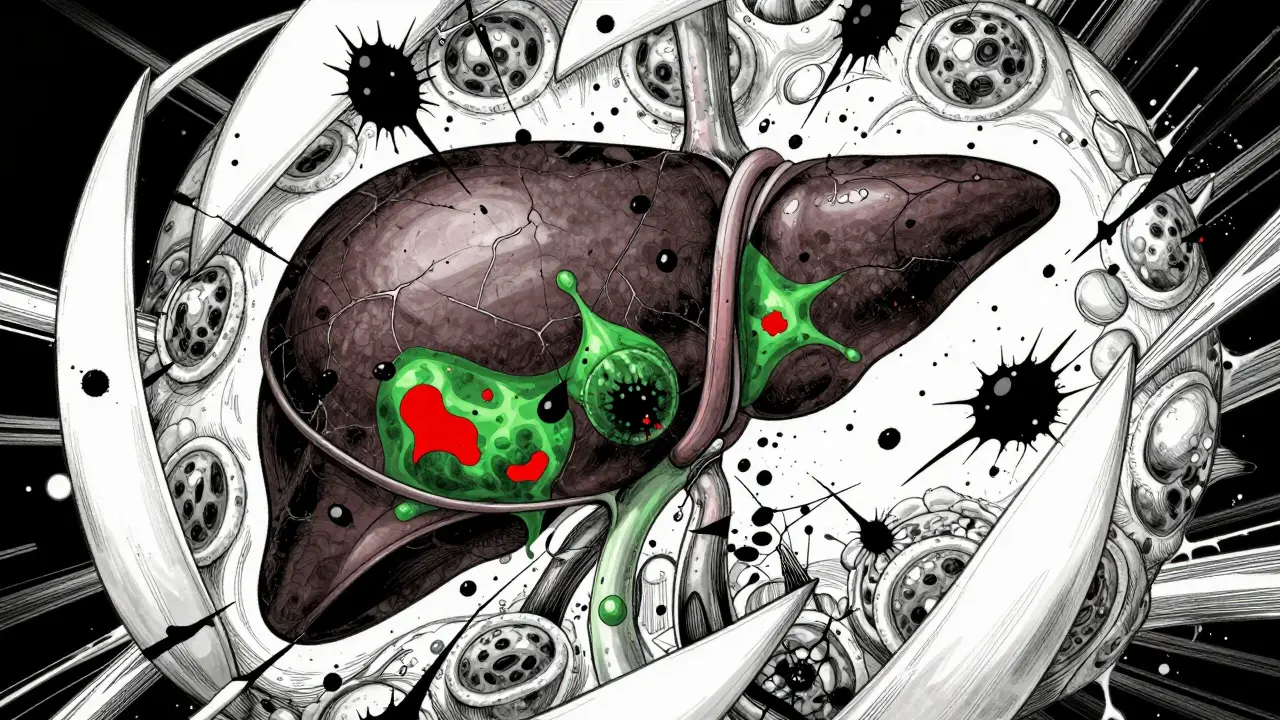
One of the biggest dangers is not knowing what you are taking. This drug is in over 600 different prescription and over-the-counter products. It is often listed as APAP on prescription labels. You might take a pain pill for a toothache and then grab a cold medicine for a runny nose. If both contain this ingredient, you could easily exceed the safe limit without trying.
Common combination medications include Vicodin, Percocet, Midol, and Nyquil. Even Sudafed PE sometimes has versions with this active ingredient. During cold and flu season, patients often combine multiple medicines to fight symptoms. This is when unintentional overdose happens most often. You might take two extra-strength pills (500 mg each) four times a day, hitting 4,000 mg. Then you add a nighttime cold syrup with another 1,000 mg. Suddenly, you are at 5,000 mg, which puts your liver at serious risk.
Risk Factors That Lower the Safety Threshold
Not everyone processes this medication the same way. Certain conditions make your liver more vulnerable. If you have underlying liver disease, such as hepatitis, standard doses can cause worsened side effects. Chronic alcohol use disorder is another major risk factor. Alcohol depletes your glutathione stores and induces the cytochrome P450 enzymes. This means your body makes more of the toxic NAPQI and has less protection against it.
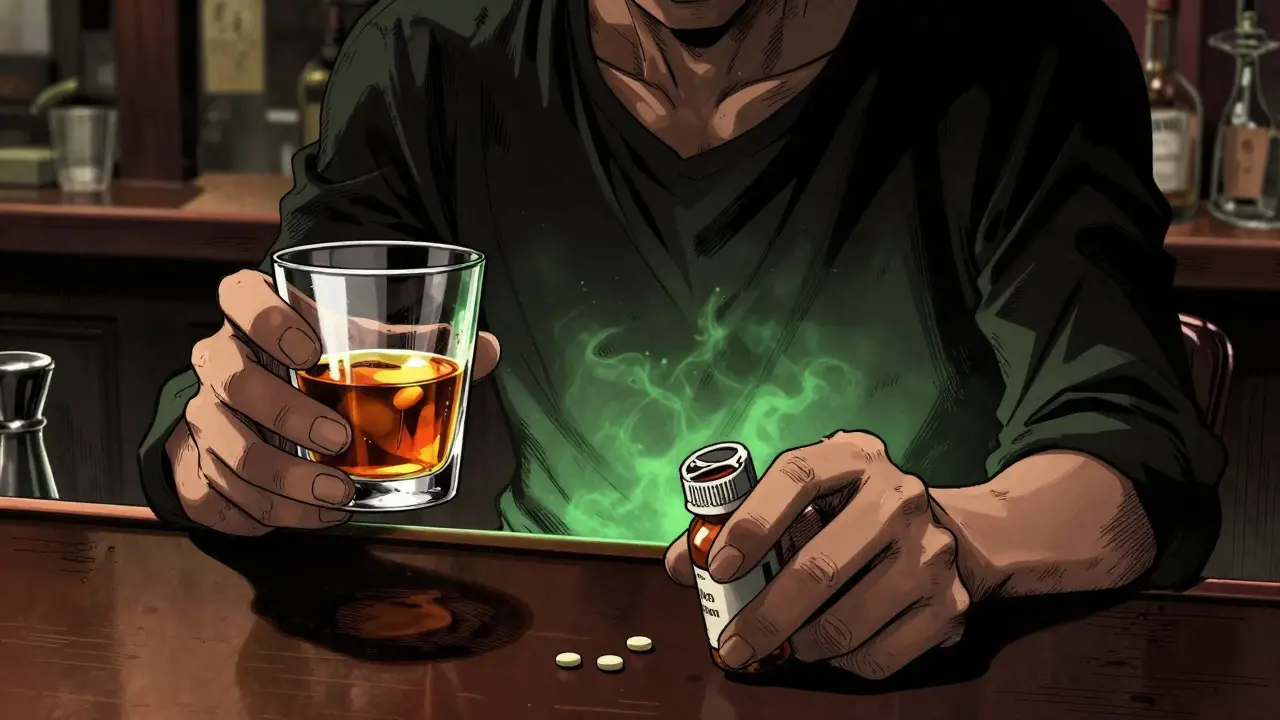
Malnutrition is also a significant risk. If you are not eating well, your glutathione levels may already be low. When you add this medication to a malnourished state, the liver struggles to handle the load. Experts recommend reducing the daily threshold to 2,000 to 3,000 mg for patients with liver disease or chronic alcohol use. In some cases, you should avoid it entirely. If you drink alcohol, do not take this medicine. The safe limit drops as low as 2 grams when combined with alcohol consumption.
Recognizing Overdose and Treatment Options
Overdose can happen in two ways: a single massive dose or repeated high doses over time. Toxicity thresholds are generally considered to be more than 12 grams over 24 hours or 7.5 to 10 grams in a single dose for adults. For children, a single dose of 150 to 200 mg per kilogram can be toxic. Symptoms might not show up immediately. You might feel fine for the first 24 hours. Later, you could experience nausea, vomiting, and pain in the upper right abdomen. By the time liver failure symptoms appear, damage is often severe.
If an overdose is suspected, time is critical. Doctors use a tool called the Rumack-Matthew nomogram to assess risk. This chart plots the drug level in your blood against the time since ingestion. A treatment line starts at 150 micrograms per milliliter at 4 hours after ingestion. If your level is above this line, you need treatment. The antidote of choice is Acetylcysteine is the antidote of choice for acetaminophen toxicity, effective in preventing severe liver damage when administered early. Also known as NAC, it replenishes glutathione stores.
Acetylcysteine is highly effective if given within 8 to 10 hours of ingestion. It can still reduce damage if given within 16 hours. The oral regimen involves a loading dose of 140 mg per kilogram, followed by smaller doses every 4 hours. The intravenous protocol uses a loading dose of 150 mg per kilogram over 15 minutes. If there is strong clinical concern of acute overdose, doctors should administer this antidote before waiting for lab results if it would delay treatment beyond 8 hours.
Practical Safety Tips for Daily Use
Prevention is far better than treatment. Start by reading every label carefully. Check for the word acetaminophen or the abbreviation APAP. Keep a log if you take multiple medicines. If you are in pain for more than a few days, talk to a doctor instead of increasing the dose yourself. Do not mix alcohol with this medication. If you are pregnant, consult your provider, though both intravenous and oral formulations of the antidote are appropriate if toxicity occurs.
Store medicines safely, especially around children. Use the measuring device provided with liquid medicines. Do not guess with kitchen spoons. If you have liver disease, ask your doctor for a specific dose limit. Remember that toxicity can develop from repeated supratherapeutic dosing over time, not just one big mistake. Being aware of the narrow margin between a helpful dose and a harmful one is the key to staying safe.
Is Acetaminophen safe for people with liver disease?
It depends on the severity. Patients with pre-existing liver conditions may experience worsened side effects from standard doses. You should consult a doctor to determine a lower safe limit, often reduced to 2,000 mg daily.
Can I drink alcohol while taking this medication?
No, you should avoid alcohol completely. Alcohol depletes protective glutathione and increases the production of toxic metabolites. The safe daily limit drops significantly when alcohol is involved.
What are the signs of an overdose?
Early signs include nausea, vomiting, and loss of appetite. Later symptoms involve pain in the upper right abdomen and confusion. Symptoms may not appear immediately after ingestion.
How much is too much for an adult?
Exceeding 4 grams (4,000 mg) in 24 hours is dangerous. Toxicity can occur with single doses over 7.5 to 10 grams or cumulative doses over 12 grams in a day.
Is there an antidote for overdose?
Yes, Acetylcysteine (NAC) is the standard antidote. It works best if administered within 8 to 10 hours of ingestion to prevent severe liver damage.
Caroline Dennis
March 26, 2026 AT 10:32NAPQI accumulation is the primary mechanism here. Glutathione depletion occurs rapidly once sulfation pathways saturate. Patients must monitor cytochrome P450 induction carefully. The therapeutic index is narrower than most realize.
Caroline Bonner
March 27, 2026 AT 13:19We often overlook the dosing guidelines in our daily lives!! I have seen friends mix cold meds without checking the back!!! They think it is just a little extra help for the symptoms!!! But the cumulative effect is what actually damages the liver!!! You do not feel it until it is too late to fix!!! I remember my aunt had issues years ago with this exact drug!!! She did not know it was in her prescription pain medication!!! Then she took some over the counter stuff for a headache!!! The combination pushed her over the safety threshold quickly!!! Doctors had to rush her in for the antidote treatment!!! Acetylcysteine saved her life in the end of the day!!! We should all keep a log of what we take each day!!! It takes less than a minute to write it down!!! Prevention is absolutely better than any cure out there!!! Sharing this info helps everyone stay safe!!! Please tell your family members about this too!!!
Amber Gray
March 28, 2026 AT 09:26scary stuff 🚫💊
Aaron Sims
March 29, 2026 AT 19:58Big Pharma wants you dependent on this stuff!!! They hide the ingredients in everything!!! It is in cold medicine while it kills livers!!! The system is rigged against the common man!!!
Rachele Tycksen
March 31, 2026 AT 00:27I totally get that. I once took to much by accident. My liver felt weird af. Glad I read this now tho. Typos happen when typing fast lol.
Zola Parker
March 31, 2026 AT 05:44People exaggerate the risk too much sometimes :) Most of us take it fine. But sure keep checking labels. :)
Chris Farley
April 1, 2026 AT 16:06You need to stop being so careless with your health. This is basic stuff people. Read the label properly.
Namrata Goyal
April 3, 2026 AT 03:55Only idiots overdose on this. It is simple math really. If you cant count you deserve the liver failure. Simple.
Alex Arcilla
April 3, 2026 AT 17:12Wow thanks for the lecture. I think we know how to count. But yeah dont drink and take pills. Just sayin.
Danielle Arnold
April 5, 2026 AT 03:26Yeah yeah read the label. Groundbreaking stuff.
James Moreau
April 6, 2026 AT 11:04It is important to share this info across cultures. Different countries have different norms. Safety is universal though.
rebecca klady
April 7, 2026 AT 00:32Yeah for sure. My mom always tells me this. Good reminder.
Katie Putbrese
April 8, 2026 AT 02:40Alcohol is the real enemy here. People drink too much and then pop pills. It is irresponsible behavior.
florence matthews
April 8, 2026 AT 04:10Let us all be careful instead of judging. Health is precious. Take care of yourselves. :) :) :)